Hunger Action Heroes Unite National Challenge 2027: How Students Can Fight Food Waste, Reduce Hunger, and Build Healthier Soil
The Hunger Action Heroes Unite! National Challenge is a free, nationwide student competition that encourages young people in grades 4 through 9 to take measurable action against hunger and food waste. Running from September 1, 2026, through March 12, 2027, the challenge invites students across all 50 states and Washington, D.C., to investigate food waste, implement practical solutions, and document their environmental or community impact. The initiative is sponsored through Feeding San Diego and supported through a national coalition that includes Let's Go Compost, Lunch Out of Landfills, ReFED, and World Wildlife Fund's Food Waste Warriors program.

As a founding coalition partner, Let's Go Compost supports the challenge through accessible composting education, hands-on vermicomposting activities, and practical resources that help students understand the relationship between wasted food, decomposition, nutrient cycling, and soil health. For educators, the challenge presents an opportunity to integrate environmental science, food systems education, data collection, and student-led problem-solving into an actionable school project.
What Is the Hunger Action Heroes Unite National Challenge?
The Hunger Action Heroes Unite! National Challenge is a national educational competition encouraging students to address two interconnected problems: food insecurity and wasted food. Participants identify a problem in their community, develop an appropriate intervention, document their work, and reflect on the outcomes. Projects can involve food donations, cafeteria waste audits, share tables, school gardens, food rescue initiatives, or composting programs.
Unlike a traditional academic competition centered exclusively on written research, the National Challenge emphasizes demonstrated action, individual initiative, and measurable community impact. Students do not need to purchase or use the Hunger Action Heroes Unite! comic book or curriculum to participate. The competition includes two divisions:
Division 1: Students in grades 4 through 6.
Division 2: Students in grades 7 through 9.
Eligible students attending public schools, private schools, homeschool programs, or after-school programs can participate. An eligible parent or legal guardian must submit each student's entry.
What Can Students Win?
One National Champion will be selected from each division. Each winning student receives:
A trip to San Diego Comic-Con 2027 for the student and a guardian, including specified travel accommodations.
A $750 college scholarship through Gift of College, subject to the program's requirements.
A $3,000 School Impact Grant for the winning student's school.
The opportunity to direct a $1,000 donation to a hunger relief or food rescue organization.
National Champion recognition and inclusion in the Heroes in Action playbook.
The challenge is free to enter, and winners are selected according to published judging criteria rather than chance.
Why Is Food Waste an Important Environmental and Educational Problem?
Food waste represents an intersection of environmental resource management, food security, agricultural efficiency, and municipal waste infrastructure. Food production requires substantial inputs, including freshwater, agricultural land, energy, fertilizers, transportation, refrigeration, and labor. When edible food is discarded, the resources invested throughout its production and distribution are also wasted.
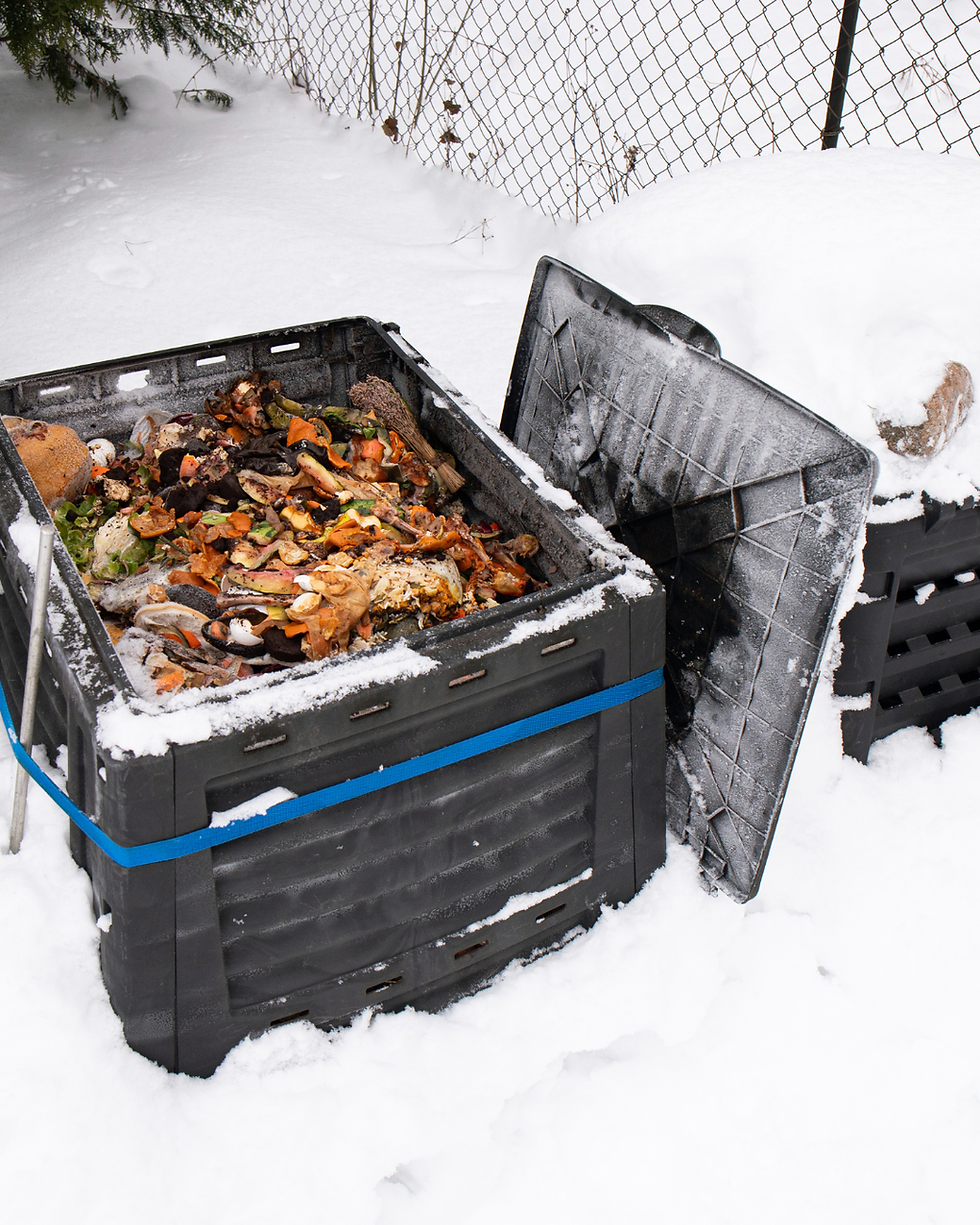
According to the U.S. Environmental Protection Agency (EPA), food constitutes approximately 24% of the material entering municipal solid waste landfills in the United States. Under anaerobic conditions, which occur when oxygen is limited, decomposing organic materials generate methane, a greenhouse gas with substantial short-term warming potential. EPA research also identifies landfilled food waste as a major contributor to methane emissions from municipal solid waste landfills. School cafeterias provide an especially valuable setting for studying this problem because they generate predictable food waste streams that students can observe, quantify, and investigate. These may include:
Pre-consumer food waste: Materials generated during food preparation, storage, or service before reaching students.
Post-consumer food waste: Uneaten food remaining after meals have been served.
Edible surplus: Safe, wholesome food that could potentially be redistributed under applicable food safety requirements.
Inedible organic residuals: Materials such as fruit peels, certain vegetable trimmings, and other scraps unsuitable for human consumption.
Distinguishing these categories is essential because different materials require different management strategies. For instance, a whole, safely handled piece of fruit may be suitable for a school share table. A banana peel, however, is a more appropriate candidate for composting.
The objective is not simply to divert the greatest possible weight from landfills. It is to prevent unnecessary waste, recover usable food, and responsibly manage the unavoidable organic materials that remain.
How Does Composting Fit Into the EPA's Wasted Food Scale?
The EPA's Wasted Food Scale establishes a framework for evaluating food waste prevention and management practices according to their environmental benefits.
Preventing wasted food is the most preferred intervention. Donation and upcycling are also prioritized because they preserve food for human consumption. Composting occupies a lower tier than these food recovery strategies, but remains an important option for managing residual organic materials. This distinction is important for schools developing sustainability programs. A comprehensive school food waste strategy should address three questions:
Can the food waste be prevented through improved purchasing, preparation, storage, meal selection, or consumption?
If wholesome surplus food remains, can it be safely redistributed or recovered for human consumption?
If the material cannot be prevented or recovered for people, can it enter an appropriate organics recycling system?
Composting is especially relevant to the third question. Through controlled biological decomposition, organic materials can become a stable soil amendment that helps improve soil structure, support microbial activity, retain moisture, and recycle nutrients.
A successful school program should therefore combine food waste prevention with organics management rather than presenting composting as a substitute for prevention.
How Can Schools Measure Food Waste Before Taking Action?
A school food waste audit provides quantitative baseline information that can guide intervention design and subsequent evaluation. Instead of relying on estimates or visual observations alone, students can collect structured data describing the amount, composition, and potential causes of discarded food. World Wildlife Fund's Food Waste Warriors program offers educational resources and methodologies for conducting school food waste audits.

Step 1: Establish a Baseline
Before implementing a new food waste prevention initiative, schools should measure existing conditions. With appropriate adult supervision and food service staff approval, students can observe cafeteria operations and classify discarded materials. Useful categories include unopened eligible food items, edible plate waste, fruit and vegetable scraps, liquid waste, and non-food contamination. For consistency, measurements should use standardized categories and collection procedures across audit days.
Step 2: Record Quantitative Data
Students can measure food waste using calibrated scales and standardized collection containers. Potential data fields include:
Measurement | Purpose |
Total food waste, pounds | Establish overall generation |
Edible waste, pounds | Identify prevention opportunities |
Inedible organics, pounds | Estimate potential composting feedstock |
Meals served | Normalize differences in cafeteria participation |
Recovered food, pounds | Quantify redistribution |
Contamination rate | Evaluate waste sorting accuracy |
A useful normalized metric is: Food waste per meal served = Total food waste weight ÷ Number of meals served
For example, if a cafeteria generates 45 pounds of food waste across 300 meals, the measured waste generation rate is 0.15 pounds per meal. This measurement can be repeated after a new intervention to evaluate changes.
Step 3: Identify Underlying Causes
Quantitative data should be supplemented with qualitative observations. Students might investigate whether certain foods are consistently discarded, whether lunch periods provide sufficient time to eat, or whether students understand which materials can enter recovery and composting systems. Food service staff should participate in evaluating operational feasibility. The findings can inform more targeted interventions, such as improved signage, revised food preparation practices, or clearer separation of eligible surplus food.
Step 4: Measure Changes Over Time
After implementing an intervention, repeat the food waste audit using comparable collection procedures. A basic percentage reduction calculation is:
Waste reduction (%) = [(Baseline waste − Post-intervention waste) ÷ Baseline waste] × 100
If average waste declines from 45 pounds to 30 pounds under comparable conditions, the measured reduction is approximately 33.3%. Students should document relevant limitations, including differences in attendance, menus, measurement procedures, and observation periods. This process turns a school sustainability initiative into a reproducible environmental investigation.

What Is Vermicomposting, and How Does It Support Environmental Science Education?
Vermicomposting is a biological process that uses earthworms and associated microorganisms to transform suitable organic materials into stabilized, nutrient-rich material commonly known as vermicompost. Unlike conventional thermophilic composting systems, which may operate at elevated temperatures, classroom vermicomposting generally occurs under moderate temperatures suitable for maintaining healthy worm populations.
Earthworms fragment organic matter, increase the surface area available for microbial activity, and contribute to nutrient transformation through their feeding and digestive processes. Microorganisms remain essential to decomposition. Worms are participants in a larger biological community rather than the only organisms responsible for breaking down organic materials.
What Can Students Learn From a Classroom Worm Farm?
A properly maintained vermicomposting system creates opportunities to investigate multiple scientific concepts.
Decomposition and nutrient cycling: Students can examine how organic materials undergo physical and biochemical transformations through the activity of decomposer organisms. They can explore the relationship between carbon, nitrogen, microbial metabolism, and the recycling of nutrients within ecosystems.
Soil biology and ecosystem interactions: A worm farm provides an accessible model for studying interactions among earthworms, microorganisms, organic matter, moisture, and environmental conditions. Students can observe how changes in system conditions affect decomposition and organism behavior.
Environmental monitoring: Students can maintain observation logs documenting moisture conditions, food inputs, decomposition progress, visible worm activity, and other system characteristics. A consistent data collection protocol helps students distinguish observations from interpretations.
Experimental design: Teachers can develop controlled investigations examining differences in the decomposition of suitable materials. For example, students might compare the decomposition of equivalent masses of chopped and unchopped vegetable scraps while maintaining consistent environmental conditions. This supports instruction in variables, scientific controls, evidence collection, and hypothesis testing.

What Conditions Are Necessary for Healthy Vermicomposting?
Successful vermicomposting requires appropriate feedstocks, adequate aeration, sufficient moisture, suitable temperatures, and protection from environmental stress.
Excessive moisture can create oxygen-limited conditions, while insufficient moisture can harm worms and slow decomposition. Overfeeding may produce odors, attract pests, and compromise system stability.
Classroom worm farms should use approved materials, established maintenance procedures, and adult supervision. Materials contaminated with chemicals or otherwise unsuitable for the system should be excluded. A classroom worm farm is an educational biological processing system, not an industrial-scale food waste disposal solution. Its primary value is demonstrating decomposition and nutrient cycling while introducing students to responsible organic waste management.
Five Student Project Ideas for the 2027 Hunger Action Heroes Unite Challenge
Students can select a project appropriate to their interests, school resources, and local conditions.
1. Conduct a Cafeteria Food Waste Audit
Measure discarded food over several lunch periods, categorize the materials, and identify opportunities to reduce preventable waste. Develop a student-led awareness campaign and conduct a follow-up audit to evaluate the intervention. Potential measurable outcome: Percentage reduction in food waste per meal served.
2. Start a Classroom Vermicomposting Program
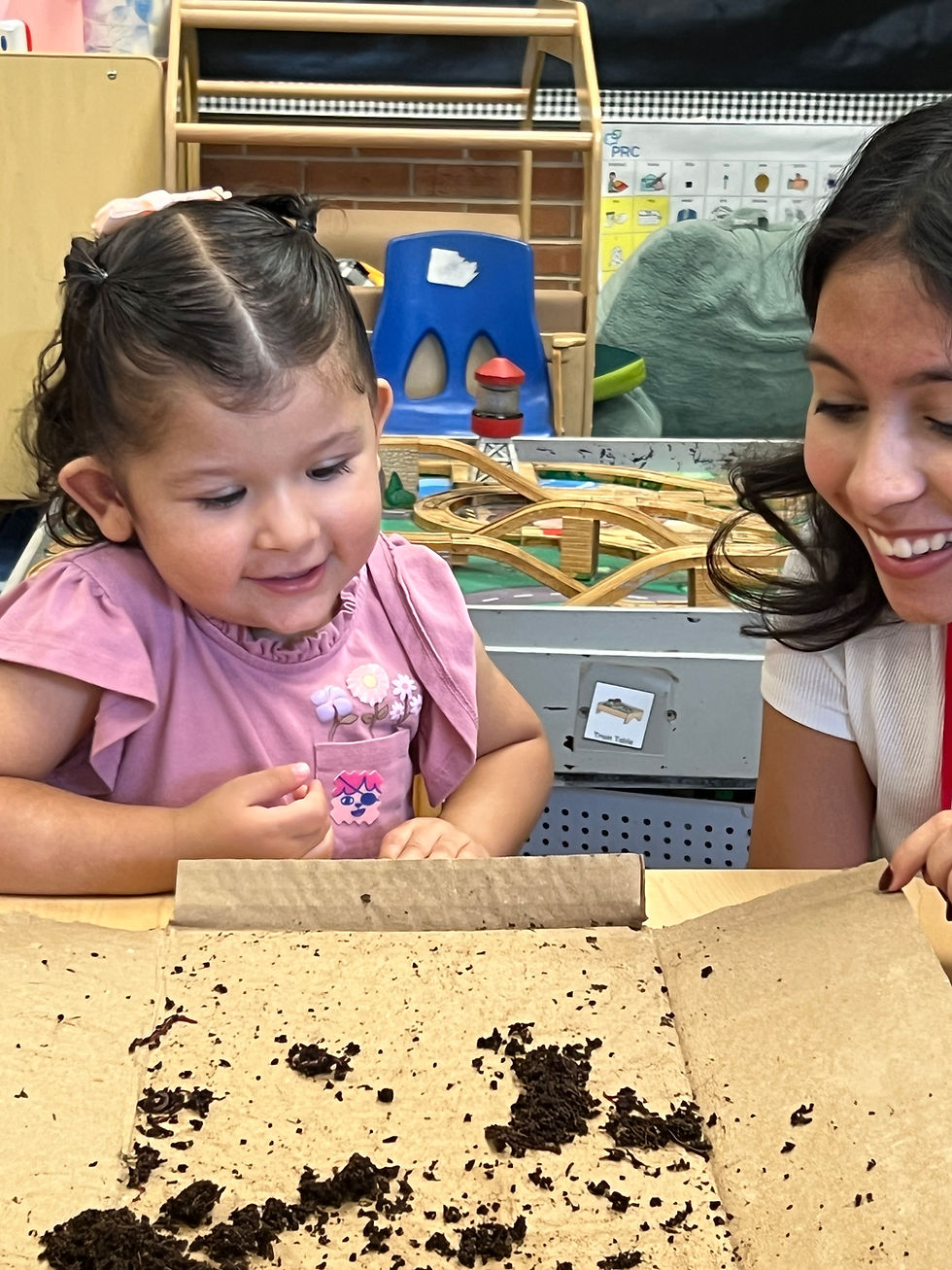
Create a supervised classroom worm farm using appropriate equipment and food scraps. Track organic material inputs and document changes in decomposition over time. Students can explain how decomposers contribute to soil ecosystems and discuss the role of composting within a broader food waste reduction strategy. Potential measurable outcome: Quantity of suitable organic material processed and changes in student knowledge.
3. Investigate a Cafeteria Share Table
Work with school nutrition personnel to determine whether a share table is permitted and operationally appropriate. Where authorized, students can help improve communication about eligible unopened or otherwise compliant food items. Food safety, temperature control, supervision, and local requirements must govern implementation. Potential measurable outcome: Number or weight of eligible food items recovered for consumption.

4. Develop a School Food Waste Education Campaign
Create educational posters, classroom demonstrations, announcements, or peer-led presentations that explain wasted food prevention. Use short surveys or behavioral observations to measure changes in student understanding and participation. Potential measurable outcome: Changes in sorting accuracy, student knowledge, or measured cafeteria waste.
5. Connect Composting With a School Garden
Investigate how suitable finished compost can support soil management and plant growth. Students can compare soil characteristics, observe plant development, and explore how organic matter influences soil moisture retention. Experimental procedures should control for differences in watering, plant type, soil conditions, and growing environment. Potential measurable outcome: Changes in measured soil characteristics or plant growth under controlled conditions.
These projects can be adapted to different grade levels and available resources. They also create opportunities for collaboration among students, teachers, school nutrition staff, and community organizations.
Let's Go Compost's Role in the National Challenge
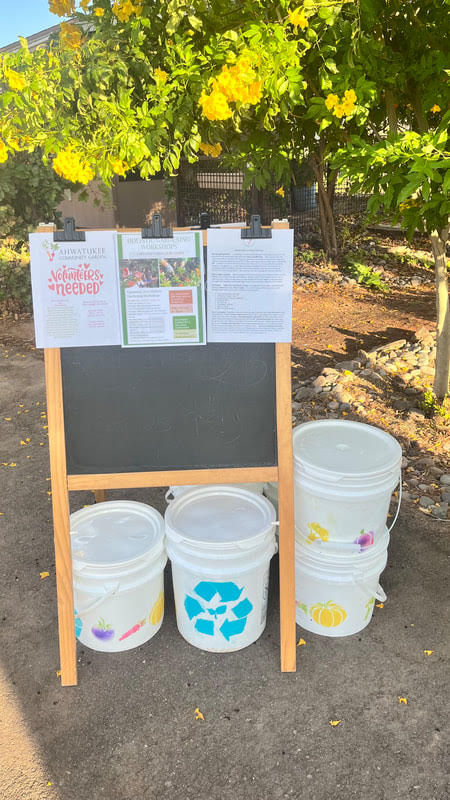
Let's Go Compost is a nonprofit organization focused on making composting education and organic waste management more accessible through schools and other public institutions. As a founding coalition partner of the Hunger Action Heroes Unite! National Challenge, Let's Go Compost contributes expertise in classroom composting, decomposition education, and practical organic waste management.
The organization's education model introduces students to biological decomposition through hands-on learning and supports schools as they explore increasingly comprehensive waste reduction practices. These activities can connect several educational disciplines:
Life science: Decomposers, ecosystems, organism interactions, and nutrient cycling.
Earth and environmental science: Soil systems, organic matter, and material flows.
Mathematics: Measurement, unit conversion, descriptive statistics, and percentage calculations.
Engineering and design: Developing and evaluating practical waste management solutions.
Civic engagement: Communicating findings and participating in community problem-solving.
Let's Go Compost's classroom resources can help educators introduce these concepts even when they are beginning with a small-scale demonstration rather than a schoolwide composting system. Schools interested in exploring vermicomposting and associated educational activities can visit Let's Go Compost or review the organization's school programs and classroom resources. Participation in a Let's Go Compost program is not required to enter the National Challenge.
How Are Hunger Action Heroes Unite Entries Judged?
The 2027 competition evaluates student submissions according to four published criteria.
Judging criterion | Weight |
Real-world impact | 40% |
Student effort and initiative | 30% |
Reflection | 20% |
Documentation | 10% |
These criteria emphasize meaningful work and clear communication rather than expensive equipment or professionally produced materials. Students should explain the problem they identified, the action they personally took, the evidence they collected, and what they learned.

Impact does not have to be expressed exclusively in pounds or dollars. Participation, documented learning, improved practices, and other substantiated outcomes can contribute to a strong project narrative. However, projects that include credible baseline measurements and follow-up results may be especially effective at demonstrating change.
How to Enter the Hunger Action Heroes Unite National Challenge
The challenge requires students to take action, document their work, reflect on the experience, and have an eligible parent or legal guardian submit the entry. Students should prepare:
A description of their completed action: Explain the food waste or hunger-related issue addressed and the response implemented.
A video of up to three minutes: Communicate the student's work, learning, and impact. A student does not need to appear on camera.
Up to five original photographs: Show the project or action in progress.
Short written reflections: Answer the required questions about the action, learning, and impact.
Required identifying information and consents: An eligible parent or legal guardian completes the official entry process.
The official entry platform provides additional instructions and includes an accessibility accommodation for eligible students unable to submit a video. Students should review the complete rules before preparing submission materials, especially when photographs or videos include other minors.
Important 2027 Challenge Dates
Milestone | Date |
Challenge opens | September 1, 2026 |
Submission deadline | March 12, 2027, at 11:59 p.m. Pacific Time |
Judging concludes | April 7, 2027 |
National Champions announced | April 28, 2027 |
Comic-Con prize trip | July 21 to 26, 2027 |
Official information: Hunger Action Heroes Unite National Challenge
Submit an entry: Official National Challenge Entry Portal
All applicants should review the official rules for complete eligibility, participation, travel, and prize requirements.
Frequently Asked Questions About the Hunger Action Heroes Unite National Challenge
Who is eligible for the Hunger Action Heroes Unite National Challenge?
Students in grades 4 through 9 across all 50 U.S. states and Washington, D.C., can participate, subject to the official eligibility requirements. Entries must be submitted through an eligible parent or legal guardian.
Is the National Challenge free?
Yes. The 2027 National Challenge is free to enter. No purchase is necessary.
Can students enter with a school composting project?
Yes. Starting or participating in an appropriate composting initiative is one of the suggested forms of action. Students should document their specific contribution, learning, and impact.

Can a whole classroom submit one entry?
No. Entries are individual, with one submission permitted per eligible student. Students may participate in a shared classroom project, but each entry must document the individual student's involvement.
Do students need to have a composting system to participate?
No. Students can pursue food rescue, hunger relief, food waste prevention, food drives, gardening, community outreach, and other eligible activities.
When is the 2027 Hunger Action Heroes Unite deadline?
Entries must be received no later than March 12, 2027, at 11:59 p.m. Pacific Time.
What is the difference between food waste prevention and composting?
Food waste prevention aims to avoid generating waste in the first place. Composting manages suitable organic material remaining after opportunities for prevention and recovery have been considered. Both can contribute to a comprehensive school waste management strategy, but they serve different functions.
How can teachers connect composting to STEM instruction?
Educators can use composting systems to teach decomposition, biological interactions, nutrient cycling, experimental design, environmental monitoring, and data analysis. A classroom worm farm can serve as a living laboratory for observing these processes over time.
How can students measure the impact of a food waste project?
Students can measure waste generation, recovered food quantities, sorting accuracy, student participation, and changes in knowledge. Where possible, baseline and follow-up measurements should use consistent methods so that outcomes can be compared reliably.
Take Action: Help Students Become Hunger Action Heroes in 2027
Food waste reduction begins with understanding where food is lost, why waste occurs, and which interventions can prevent or recover valuable resources. For schools, this process can become a meaningful educational experience that integrates scientific investigation with community action. A student may begin with a single cafeteria audit, a classroom composting experiment, an educational campaign, or an investigation into surplus food recovery.

Each activity can contribute to a more informed understanding of food systems and the role students can play in improving them. The Hunger Action Heroes Unite! National Challenge gives young people an opportunity to put that knowledge into practice, demonstrate initiative, and share measurable results.
Students in grades 4 through 9 can enter the 2027 National Challenge through March 12, 2027.
To learn more about the competition, visit Hunger Action Heroes Unite.
To explore hands-on composting education, classroom worm farms, and resources for reducing organic waste, visit Let's Go Compost.
Together, we believe that food waste prevention, responsible organics management, and student-led education can support a future in which valuable food resources are conserved and young people have the knowledge to create meaningful environmental change.
About Let’s Go Compost
Let’s Go Compost is a national nonprofit making composting simple, affordable, and accessible. Our programs bring hands-on composting to communities, helping people turn food and plant waste into healthy soil that supports food systems, native plant ecosystems, and pollinators. Learn more at letsgocompost.org and support our work at letsgocompost.org/donate.