


The Complete Community Composting Guide: How to Start, Join, and Grow a Community Composting Program
Community composting is a local system where multiple households, schools, organizations, or businesses work together to collect food scraps and turn them into compost. Instead of each household composting independently, participants contribute materials to a shared composting site managed by volunteers, staff, schools, community gardens, libraries, religious organizations, or nonprofits. The finished compost is often used in:
Community gardens
School gardens
Public landscapes
Pollinator gardens
Urban farms
Neighborhood beautification projects

Community composting fills an important gap between backyard composting and large municipal composting facilities.
Why Community Composting Matters
Many people want to compost but face barriers such as:
Limited outdoor space
Apartment living
HOA restrictions
Lack of time
Lack of confidence
Community composting creates access for these residents while producing valuable soil amendments locally.
Benefits include:
Reduced Food Waste
Food scraps become a resource instead of entering landfills.
Local Soil Improvement
Finished compost improves:
Water retention
Soil structure
Nutrient availability
Microbial activity
3. Community Building
Participants work toward a shared goal while learning practical skills.
4. Educational Opportunities
Community compost sites become outdoor classrooms for:
Biology
Ecology
Soil science
Gardening
Waste reduction
5. Garden Productivity
Community gardens often spend hundreds or thousands of dollars annually on soil amendments. Locally produced compost can reduce those costs.
Types of Community Composting Programs
Community Garden Composting
A garden accepts food scraps from nearby residents and uses finished compost in garden beds. Best for:
Community gardens
Urban farms
Neighborhood garden clubs

School-Based Community Composting
Schools collect food scraps from:
Classrooms
Cafeterias
Families
Community events
Finished compost supports school gardens and outdoor learning spaces. Best for:
Elementary schools
Middle schools
High schools
Library Composting Programs
Libraries can serve as community drop-off locations while offering educational programming. Best for:
Public libraries
Nature centers
Educational nonprofits
Neighborhood Drop-Off Programs
Residents bring food scraps to a centralized collection site. Best for:
Apartment communities
HOA neighborhoods
Dense urban areas
Community Compost Hubs
Larger operations that process food scraps from hundreds of participants. Best for:
Municipal partnerships
Nonprofits
Community organizations
How Community Composting Works
The process is relatively simple:
Step 1: Collect Food Scraps
Participants collect:
Fruit scraps
Vegetable scraps
Coffee grounds
Tea leaves
Eggshells
Avoid contamination from trash and non-compostable materials.
Step 2: Transport Materials
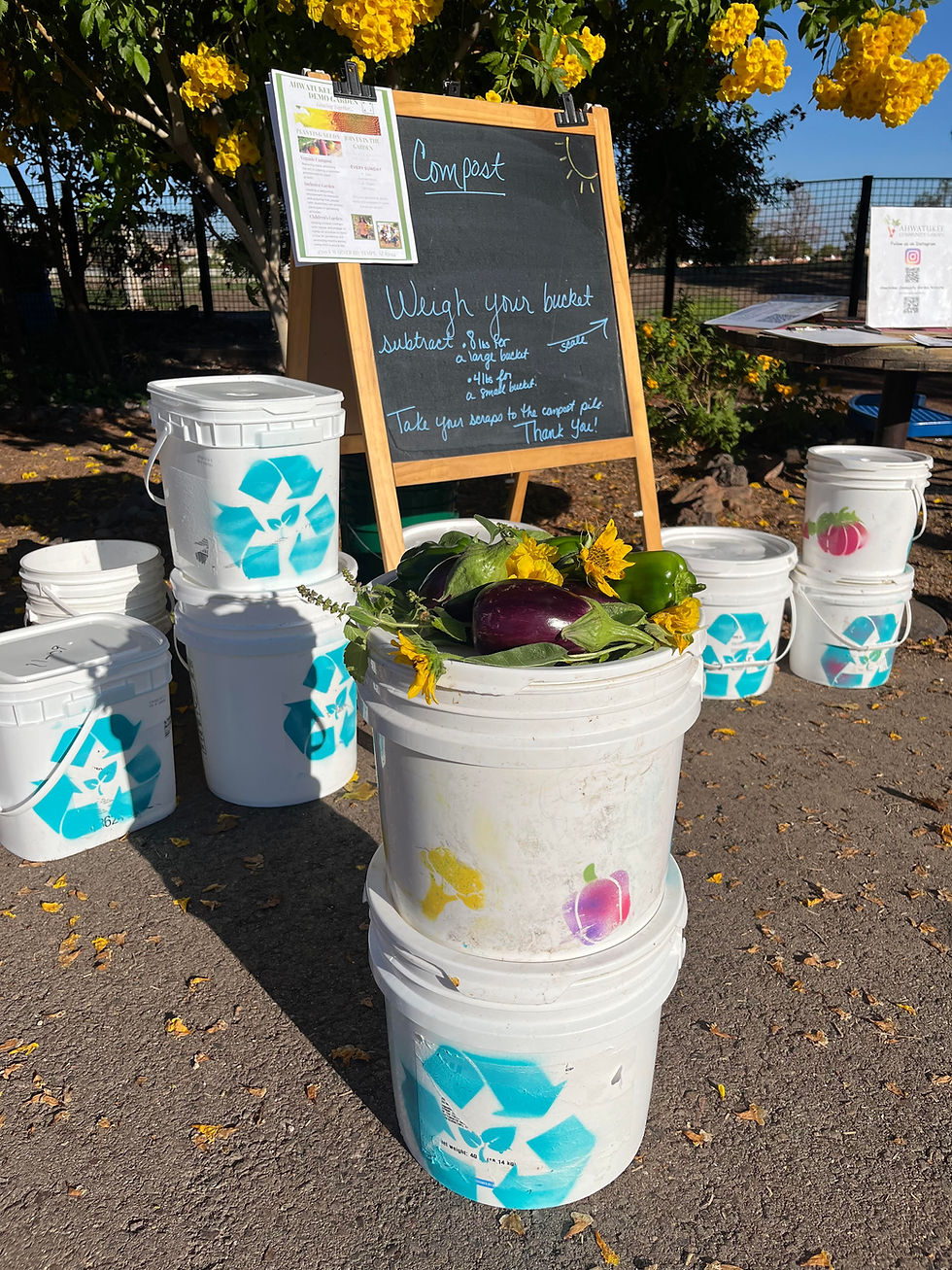
Participants bring materials to a designated compost site. Collection may occur:
Daily
Weekly
Monthly
depending on the program.
Step 3: Process Materials
Food scraps are mixed with carbon-rich materials such as:
Leaves
Wood chips
Straw
Shredded cardboard

Step 4: Manage the Compost
Managers monitor:
Moisture
Temperature
Aeration
Contamination
Step 5: Harvest Compost
Finished compost is screened and distributed. Uses include:
Gardens
Trees
Landscapes
School projects
Choosing a Composting System
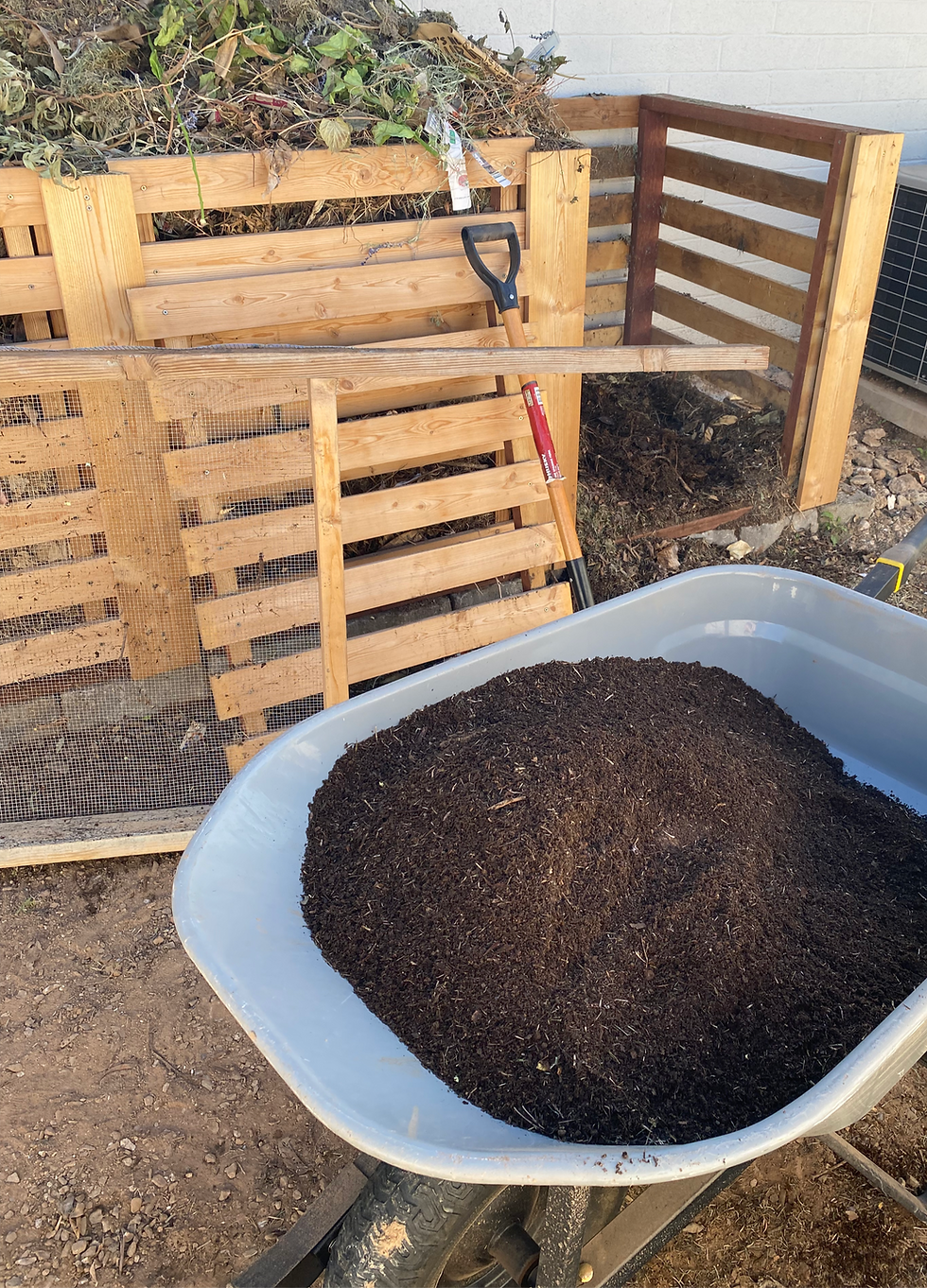
Three-Bin Compost System
Best for:
Community gardens
Schools
Small neighborhoods
Capacity:
10–50 households
Cost:
$300–$500 depending on if you DIY or buy
Aerated Static Pile
Best for:
Larger operations
Capacity:
Hundreds of households
Cost:
$2,000–$20,000+
Requires training and monitoring.
Vermicomposting Systems
Best for:
Schools
Libraries
Indoor programs
Capacity:
Small volumes
Cost:
$75–$500
Tumblers
Best for:
Small community sites
Capacity:
Limited
Cost:
$150–$500
Easy for beginners but difficult to scale.
Materials Needed
Most community composting programs need:
Infrastructure
Compost bins
Shovels
Pitchforks
Wheelbarrows
Water source
Signage
Collection Equipment
Food scrap buckets
Collection carts
Storage containers
Carbon Sources
Leaves
Wood chips
Straw
Shredded cardboard
Monitoring Tools
Compost thermometer
Moisture meter (optional)
Data logs
Cost Expectations
Small Community Program
10–20 households
Estimated startup cost: $300+
Annual costs: $100+
Medium Program
25–100 households
Estimated startup cost: $1,500+
Annual costs: $500+
Large Community Hub
100+ households
Estimated startup cost: $10,000+
Annual costs vary significantly based on staffing and equipment.
Time Requirements
Small Program
Management time: 2–5 hours per week
Tasks:
Monitoring
Turning piles
Managing contamination
Medium Program
Management time: 5–15 hours per week
Tasks:
Volunteer coordination
Record keeping
Collection oversight
Large Program
Management time: Part-time or full-time staffing often becomes necessary.

Step-by-Step Guide to Starting a Community Composting Program
Step 1: Identify a Site
Look for:
Water access
Partial shade
Vehicle access
Space for expansion
Avoid:
Flood-prone areas
Steep slopes
Areas directly adjacent to homes
Step 2: Secure Permission
Possible partners:
Schools
Libraries
Faith organizations
Parks departments
Community gardens
Step 3: Recruit Participants
Start small. A pilot of:
10 households
One classroom
One garden club
is often easier than launching at full scale.
Step 4: Develop Accepted Materials Lists
Keep instructions simple. Accept:
Produce scraps
Coffee grounds
Eggshells
Expand later if desired.
Step 5: Train Participants
Provide:
Photos
Examples
Signage
Collection guides
Training significantly reduces contamination.
Step 6: Establish Management Procedures
Document:
Collection schedules
Volunteer responsibilities
Monitoring tasks
Emergency contacts
Common Mistakes
Accepting Too Many Materials Too Early
Start with a narrow list of accepted materials.
Not Having Enough Carbon Materials
Food scraps alone create odors. Maintain a supply of:
Leaves
Wood chips
Cardboard
Lack of Ownership
Every successful site has designated managers. Shared responsibility without accountability often leads to failure.
Ignoring Contamination
One plastic bag can create hours of microplastic cleanup. Inspect materials regularly.
Troubleshooting Community Composting Problems
Compost Smells Bad
Cause: Too much nitrogen and moisture.
Solution: Add leaves, cardboard, or wood chips.
Rodents Are Present
Cause: Improper food management.
Solution:
Cover food scraps immediately
Use rodent-resistant bins
Avoid meat and dairy
Compost Is Too Dry
Cause: Insufficient moisture.
Solution: Water until material resembles a wrung-out sponge.
Compost Is Not Heating Up
Cause: Pile too small or lacking nitrogen.
Solution:
Add food scraps
Increase pile size
Turn materials
Safety Considerations
Community compost sites should:
Require handwashing after participation
Use gloves when handling compost
Train volunteers properly
Keep tools organized
Monitor for trip hazards
Children should participate under supervision. Young children are best suited for:
Collecting scraps
Observing decomposition
Garden activities
Adults should handle:
Heavy lifting
Tool use
Large pile management
Educational Applications
Community composting creates real-world learning opportunities in:
Science
Decomposition
Microorganisms
Food webs
Math
Waste audits
Weight tracking
Data collection
Environmental Studies
Waste systems
Resource cycles
Soil health
Career Exploration
Agriculture
Horticulture
Waste management
Sustainability professions
Gardening Applications
Community compost can be used for:
Raised Beds: Apply 1–2 inches annually.
Vegetable Gardens: Incorporate before planting.
Trees and Shrubs: Use as mulch or soil amendment.
Pollinator Gardens: Improve soil while reducing irrigation needs.

Community Composting and Schools
Schools are often ideal community composting hubs because they already have:
Participants
Educational goals
Volunteers
Garden spaces
Existing infrastructure
Programs can connect:
Cafeteria waste reduction
Classroom science lessons
School gardens
Family engagement
Schools frequently become neighborhood demonstration sites that encourage composting practices beyond campus.
Frequently Asked Questions
How many people can a community compost system support?
A well-managed three-bin system can often support 10 to 50 households depending on food waste volume and available space.
Do I need a permit?
Requirements vary by city and state. Check local regulations before accepting large quantities of food scraps.
Can apartments participate?
Yes. Community composting is often one of the best composting solutions for apartment residents.
Can schools run community composting programs?
Yes. Schools commonly operate composting systems connected to gardens, cafeterias, and environmental education programs.

How long does compost take to finish?
Most community compost systems produce finished compost in:
2–4 months with active management
6–12 months with passive management
How Community Composting Strengthens Local Food Systems
Community composting turns food scraps into a local resource that supports gardens, schools, pollinator habitats, and community spaces. Instead of treating food waste as garbage, communities can recover nutrients, build healthier soils, support local food production, and create hands-on learning opportunities for residents of all ages.
The most successful programs start small, establish clear operating procedures, focus on contamination prevention, and build community ownership before expanding. Whether hosted at a school, library, community garden, or neighborhood gathering space, community composting can become a practical tool for reducing food waste while producing a valuable resource for local landscapes and food-growing spaces.
About Let’s Go Compost
Let’s Go Compost is a national nonprofit making composting simple, affordable, and accessible. Our programs bring hands-on composting to communities, helping people turn food and plant waste into healthy soil that supports food systems, native plant ecosystems, and pollinators. Learn more at letsgocompost.org and support our work at letsgocompost.org/donate.


