Holiday Food Waste Is Out of Control. Here's How to Fix It Without Ruining Your Traditions
The holiday season generates more food and packaging waste than almost any other time of year. Thanksgiving, Christmas, Hanukkah, and New Year's celebrations often mean larger meals, more disposable products, and more leftovers. For home gardeners and beginner composters, however, this surge in waste presents one of the biggest composting opportunities of the year.

The challenge is not a lack of compostable material. Most households already have plenty. The real difference comes down to understanding what belongs in compost, what causes contamination, and how to keep valuable organic material out of the landfill.
Why Holiday Waste Creates Problems
Holiday gatherings naturally produce more waste than everyday meals. Extra food preparation generates vegetable scraps, fruit peels, herb stems, coffee grounds, and other compostable materials. At the same time, celebrations often introduce a mix of packaging, decorations, disposable tableware, and food waste that can easily become contaminated.
Many people assume composting is difficult because they are unsure what belongs in the system. In reality, contamination is often the biggest obstacle. A few non-compostable items mixed into an otherwise clean stream can reduce compost quality and create problems for both backyard and commercial composting operations.
What Holiday Food Waste Can Be Composted
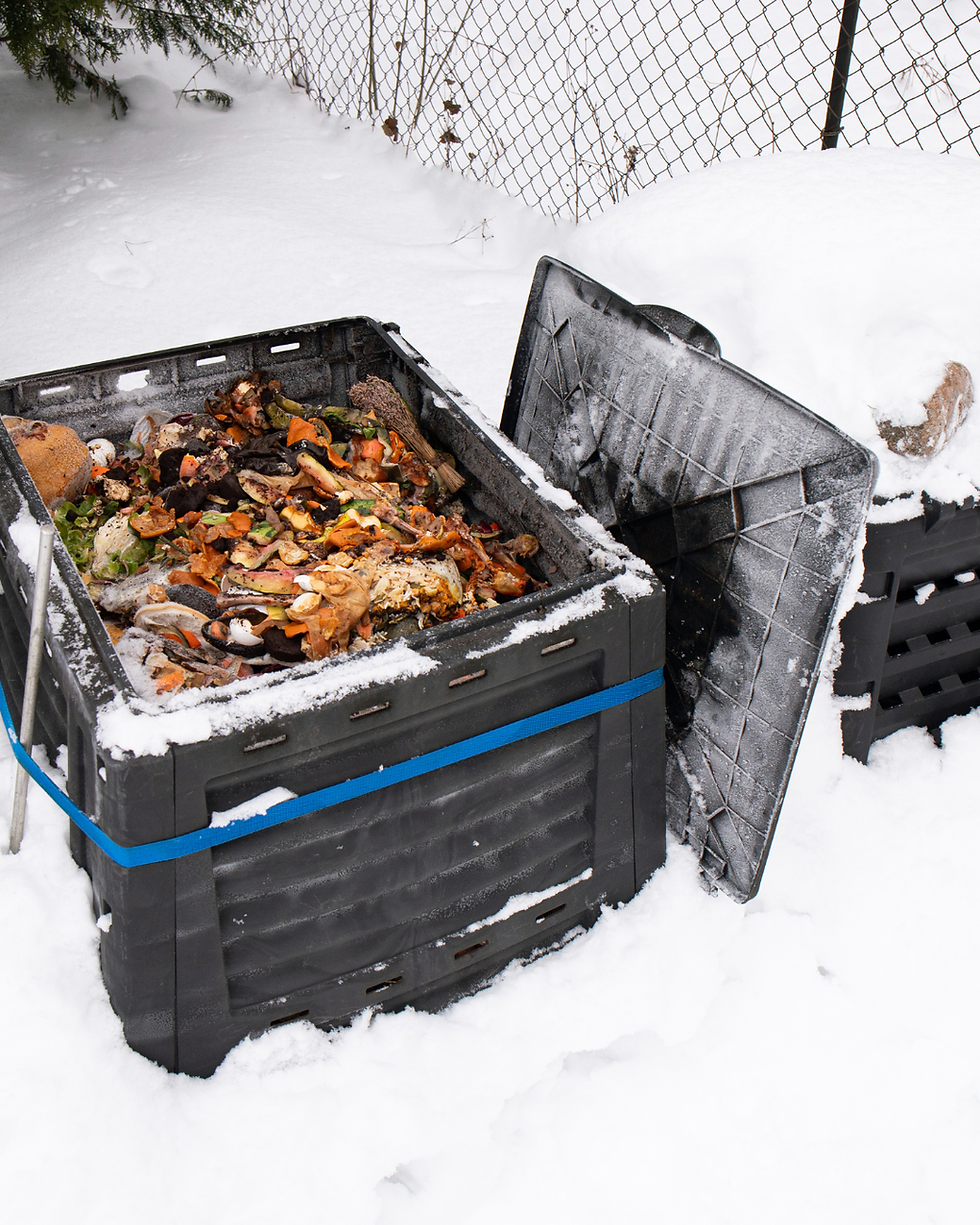
Much of the food waste created during holiday meal preparation is ideal for composting. Common compostable materials include:
Vegetable scraps
Fruit peels and cores
Bread and grains
Coffee grounds and filters
Herb stems
Pumpkin skins
Eggshells
Food preparation trimmings
Many leftover side dishes, such as roasted vegetables, mashed potatoes, and stuffing, can also be composted in moderation when balanced with dry carbon-rich materials like leaves, cardboard, or shredded paper. These materials break down relatively quickly and help build nutrient-rich compost that can improve soil health in gardens and landscapes.
Foods That Require Extra Caution
Some holiday foods can create challenges in a basic backyard compost system.
Large amounts of meat, bones, dairy products, oils, and greasy foods can generate odors and attract pests such as rodents, raccoons, and flies. Unless you are using a system specifically designed to process these materials, such as bokashi or a properly managed hot compost pile, they are generally best kept out of the compost bin.
The larger concern, however, is often not the food itself. It is the materials surrounding the food.
The Biggest Composting Mistake: Contamination
Contamination is one of the primary reasons composting systems fail. During the holidays, contamination often happens unintentionally. A paper plate may appear compostable but contain a plastic lining. Wrapping paper may look like ordinary paper but contain coatings, glitter, metallic inks, or synthetic materials. Disposable cups, food containers, ribbons, and decorative packaging frequently contain plastics that will not break down.
When non-compostable materials enter the compost stream, they remain in the finished product and reduce its quality. In some cases, contamination can render otherwise valuable compost unusable. When in doubt, simplicity is usually the safest approach.
Holiday Materials That Can Go Into Compost
Many holiday-related materials make excellent additions to a compost pile. These include:
Plain paper napkins
Uncoated cardboard
Food-soiled paper without plastic coatings
Untreated paper packaging
Natural wreaths and greenery
Pine needles
Small branches and tree trimmings
These materials provide valuable carbon, often referred to as "browns," which help balance food scraps, improve airflow, and manage moisture levels. Natural Christmas trees can also be composted if they are untreated and free of decorations. Chipped or shredded tree material provides a long-lasting carbon source that improves pile structure and supports healthy decomposition.
What Should Never Go Into Holiday Compost
If you cannot confidently identify a material as compostable, it is usually better to leave it out. To avoid contamination, keep the following items out of your compost system:
Wrapping paper with coatings, glitter, or metallic finishes
Ribbon and bows
Tape
Plastic packaging
Foam containers
Coated paper plates
Shiny or glossy paper products
Synthetic decorations
Creating a Low-Waste Holiday Setup
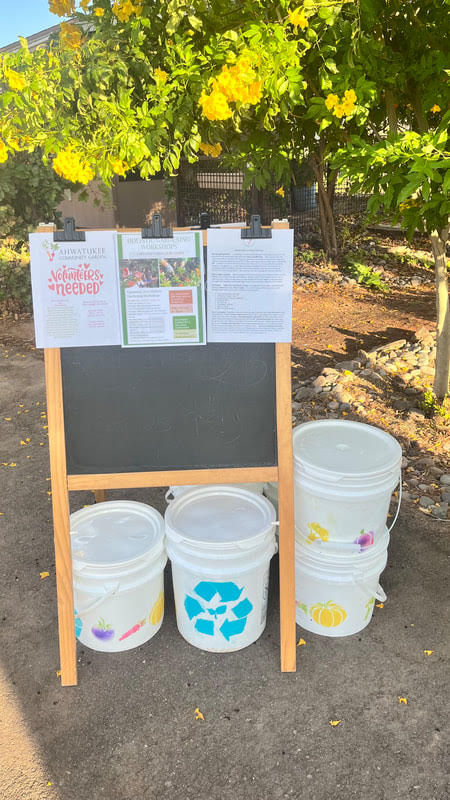
One of the easiest ways to reduce waste is to separate materials before they become mixed together. Set up a dedicated compost container in your kitchen during holiday meal preparation and cleanup. Place recycling and trash containers nearby so everyone can easily sort materials correctly. Clear systems lead to better participation. When composting is visible and convenient, people are far more likely to make the right choice.
Reduce Waste Before You Compost
Composting is an important tool, but reducing waste should always come first.
Simple actions such as planning realistic portions, storing leftovers properly, sharing excess food with guests, and using reusable serving materials can significantly reduce the amount of waste generated during the holidays. Compost is the solution for food that cannot be eaten. Preventing food waste altogether has an even greater impact.
About Let’s Go Compost
Let’s Go Compost is a national nonprofit making composting simple, affordable, and accessible. Our programs bring hands-on composting to communities, helping people turn food and plant waste into healthy soil that supports food systems, native plant ecosystems, and pollinators. Learn more at letsgocompost.org and support our work at letsgocompost.org/donate.