


What Type of Worm Should You Use for Composting? A Complete Guide to Choosing the Right Compost Worm
- Jul 28
- 6 min read
If you're starting a worm compost bin, one of the first questions you'll probably ask is, what type of worm should I use for composting?

A common misconception is that any earthworm found in the backyard will thrive in a worm bin. In reality, composting worms are a small group of species that evolved to live in decaying organic matter rather than deep mineral soil. Choosing the right species makes it much easier to maintain a healthy worm bin while also protecting local ecosystems.
This guide explains the most common composting worms, which species are best for vermicomposting, and how to compost responsibly.
The Best Worms for Composting at a Glance
Worm Species | Scientific Name | Best For | Beginner Friendly? |
Red Wiggler | Eisenia fetida | Indoor and outdoor worm bins | Yes |
European Nightcrawler | Eisenia hortensis (Dendrobaena veneta) | Outdoor bins, larger systems | Yes |
African Nightcrawler | Eudrilus eugeniae | Warm climates | Moderate |
Blue Worm | Perionyx excavatus | Tropical climates | Moderate |
Common Earthworms | Various species | Garden soil | No |
Jumping Worms | Amynthas spp. | Never use | No |
A Note About Earthworms in North America
Many people are surprised to learn that most of the earthworms found across much of North America today are not native species. During the last Ice Age, glaciers covered much of present-day Canada and the northern United States, eliminating native earthworm populations across large portions of the continent. As glaciers retreated roughly 12,000 years ago, forests naturally regenerated without earthworms in many northern ecosystems.

Beginning several hundred years ago, European settlers unintentionally introduced earthworms through ship ballast, imported plants, soil, farming equipment, and agricultural activities. Additional species have since spread through horticulture, compost, fishing bait, mulch, and the movement of soil.
Today, many forests in the northern United States and Canada are still adapting to introduced earthworm species, which can rapidly consume the leaf litter that native plants, insects, salamanders, fungi, and other wildlife depend on. In contrast, some regions of the southeastern United States retained native earthworm species because they were never completely covered by glaciers.
This history is one reason scientists and natural resource agencies recommend keeping composting worms in managed systems rather than intentionally releasing them into natural areas.
Why You Can't Use Just Any Earthworm
The worms you see after a rainstorm are excellent at improving soil, but they usually make poor composting worms. Most earthworms spend their lives burrowing through mineral soil, where they create tunnels that improve soil structure, water infiltration, and root growth. While these worms are important decomposers, a contained worm bin is a completely different environment.
Composting worms naturally live near the soil surface in piles of decomposing leaves, manure, and other organic matter. Instead of feeding on soil, they consume microorganisms growing on decaying organic material, making them exceptionally efficient at processing food scraps.

Simply put:
Soil-dwelling earthworms improve soil structure.
Composting worms recycle organic waste into nutrient-rich compost.
1. Red Wigglers (Eisenia fetida)
If you're new to vermicomposting, red wigglers are the best choice. They've been used successfully in managed composting systems around the world for decades because they tolerate the conditions found inside compost bins better than almost any other species.
Why gardeners choose red wigglers to compost with
Thrive in shallow compost bins
Reproduce readily under good conditions
Consume large amounts of food scraps relative to their size
Tolerate living in dense populations
Produce nutrient-rich worm castings
Adapt well to indoor composting
Because of their reliability, red wigglers are commonly used in homes, schools, community gardens, and educational composting programs. Best for:
Beginners
Apartments
Schools
Indoor composting
Backyard worm bins
2. European Nightcrawlers (Eisenia hortensis)
European nightcrawlers are another excellent composting species. They grow larger than red wigglers and generally prefer slightly deeper bedding. Although they reproduce more slowly, they're hardy worms that perform well in outdoor systems and larger bins. They're also commonly sold as fishing bait, which is why many gardeners are already familiar with them. Best for:
Outdoor compost systems
Larger worm bins
3. African Nightcrawlers (Eudrilus eugeniae)
African nightcrawlers are highly productive composting worms that thrive in consistently warm environments. Because they're sensitive to cold temperatures, they're generally recommended for tropical climates, greenhouses, or indoor systems where temperatures remain warm year-round. Best for:
Warm climates
Greenhouses
High-volume composting
4. Blue Worms (Perionyx excavatus)
Blue worms are widely used for vermicomposting in tropical regions. They reproduce quickly and process food efficiently but are more sensitive to changing environmental conditions than red wigglers. They're also known for attempting to leave their bins if conditions become unfavorable. For most beginners, red wigglers remain the more forgiving choice.
Worms You Shouldn't Use
Common Earthworms
Although earthworms are incredibly valuable in healthy soils, most species naturally living in lawns, gardens, fields, and forests are not well suited for compost bins.
Rather than collecting wild worms, purchase composting worms from a reputable supplier or obtain them from an established worm bin. This gives your compost system the best chance of success while avoiding unnecessary disturbance to local wildlife.
Jumping Worms (Amynthas spp.)
Jumping worms are invasive earthworms that have spread throughout parts of North America. Jumping worms can dramatically alter forest ecosystems by rapidly consuming leaf litter that many native plants and animals depend upon. Their castings also change soil structure, creating conditions that can reduce native plant regeneration.
Never intentionally purchase, move, release, or compost jumping worms. If you suspect you've found jumping worms, avoid moving soil, mulch, compost, or plants from the area until you've confirmed identification. Contact your state agriculture department, cooperative extension office, or natural resources agency for guidance.
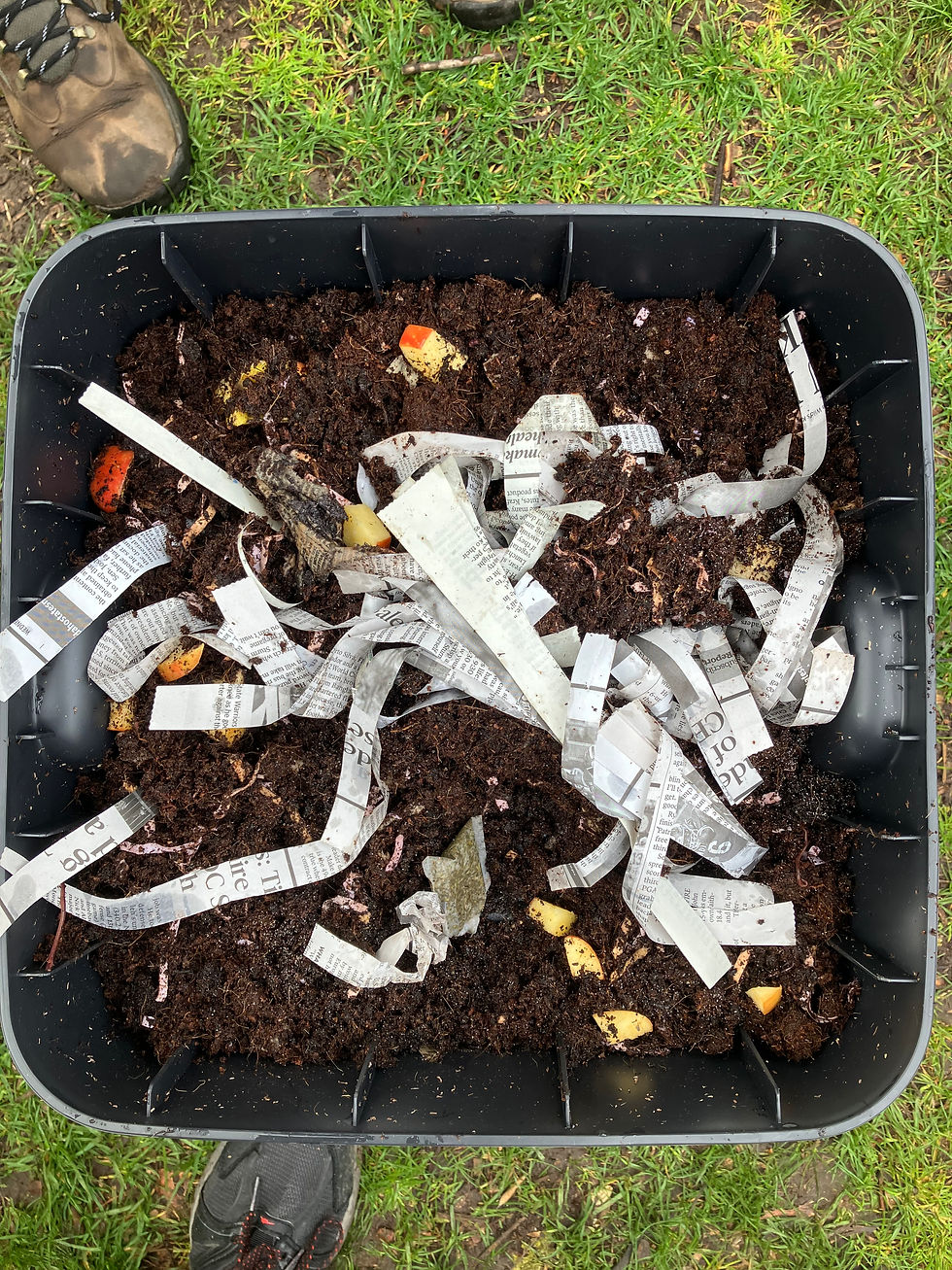
Compost Responsibly
Worm composting works best when worms remain in managed composting systems.
Although red wigglers and other composting worms are widely used around the world, they should never be intentionally released into forests, parks, natural areas, or other wild habitats. If you no longer wish to maintain a worm bin, consider:
Sharing worms with another home composter
Donating them to a school or educational program
Offering them to a community garden
Contacting a local composting organization
Keeping composting worms in managed systems helps protect local ecosystems while allowing them to continue transforming food scraps into valuable compost. Not sure whether a worm bin is right for you? Compare different systems in our guide to choosing the best composting method for your home and lifestyle.
Which Worm Is Best for Beginners?
For almost every home composter, the answer is simple: red wigglers. They're adaptable, productive, easy to care for, and widely available. Whether you're composting in an apartment, classroom, garage, or backyard, red wigglers consistently provide the best balance of performance and reliability.
Choosing the right worms is only the first step. Learn how to balance browns, greens, and grit to keep your worm bin healthy. Worm composting isn't the only option. Learn how a compost tumbler compares and when it may be the better choice.
Frequently Asked Questions
Can I use worms from my backyard?
Generally, no. Most wild earthworms are adapted to living in soil rather than compost piles and usually don't perform well inside worm bins.
How many worms should I buy?
For most household worm bins, about 0.5-1.0 pound of red wigglers (roughly 500–1,000 adult worms) is a good starting population. Need worms to get started? Find red wigglers near you with our state-by-state guide to worm farms and composting suppliers across the U.S.
Can I mix different compost worm species?
While different composting species can sometimes coexist, one species often becomes dominant over time. For beginners, a single-species worm bin is the simplest and most reliable option.
Will compost worms survive winter?
Indoor worm bins can remain active throughout the year. Outdoor bins may need insulation or relocation depending on your local climate and the worm species you're keeping.
Which Worm Should You Compost With?
Choosing the right worm is one of the easiest ways to set yourself up for success with vermicomposting. For most people, red wigglers remain the best choice because they're productive, resilient, and well suited to composting food scraps in managed systems. Just as important, responsible worm composting includes keeping composting worms contained and avoiding intentional releases into the environment.
With the right species and proper care, a healthy worm bin can divert food waste from landfills, create nutrient-rich compost, and support healthier soils while respecting the ecosystems around us.
About Let’s Go Compost
Let’s Go Compost is a national nonprofit making composting simple, affordable, and accessible. Our programs bring hands-on composting to communities, helping people turn food and plant waste into healthy soil that supports food systems, native plant ecosystems, and pollinators. Learn more at letsgocompost.org and support our work at letsgocompost.org/donate.


