



How to Find a Worm Farmer Near You (Red Wigglers for Composting – All 50 States)
Looking for red wigglers near you for a home compost bin, school worm farm, or garden program?

In this guide, we will show you:
Where to buy composting worms online
How to find local worm farmers in your state
Where to look in person near you
If you are building a worm bin at home or launching composting at a school, sourcing healthy worms matters. Red wigglers process food scraps efficiently, reproduce quickly, and thrive in contained systems.
Best Worms for Composting (And What to Avoid)
If you are building a worm bin for your home garden, classroom, or school composting program, choosing the correct species protects your soil, your ecosystem, and your investment.
Best Worms for Vermicomposting
For contained compost bins, look for Red wigglers (Eisenia fetida), also sold as:
Compost worms
Red worms
Tiger worms
Manure worms
These worms are surface dwellers. They naturally live in leaf litter, manure piles, and decomposing plant matter, which makes them ideal for compost systems. They:
Thrive in shallow, contained bins
Live in high organic matter environments
Reproduce quickly under stable conditions
Tolerate temperature swings better than many species
Efficiently break down food scraps into stable castings
Worms to Avoid for Composting
Choosing the wrong worm can lead to system failure or environmental harm.

1. Common Earthworms (Lumbricus terrestris)
These worms are excellent for lawns and fishing, but they are not compost worms. They are often sold as:
Nightcrawlers
Canadian nightcrawlers
Lawn worms
Why to avoid:
Deep soil burrowers
Require large, cool soil environments
Do poorly in compost bins
May die quickly in shallow systems
2. Jumping Worms (Amynthas species)
These worms are invasive in many U.S. states. Introducing jumping worms into gardens or landscapes can permanently alter soil biology. Many states now actively warn against transporting them. If you see worms that thrash violently or “jump” when disturbed, do not introduce them into compost or garden systems. They are also called:
Asian jumping worms
Crazy worms
Snake worms
Why to avoid:
Extremely aggressive feeders
Rapid reproduction
Degrade soil structure
Produce loose, coffee-ground-like castings that destabilize soil
Displace native organisms
3. Wild-Caught Worms from the Yard
Responsible composting means using species already established and appropriate for controlled vermicomposting. Avoid collecting random worms from your yard or natural areas. Risks of doing so include:
Unknown species
Potential invasive organisms
Parasites or pathogens
Disruption of local ecosystems
Best Practices to Prevent Introducing Invasive Species
If you are sourcing worms for a home bin, school garden, or educational program, follow these safeguards:
1. Buy from Reputable Suppliers
Confirm species name: Eisenia fetida
Avoid vague listings like “mixed compost worms”
Ask for written species confirmation if purchasing in bulk
Transparency matters. Professional growers should be able to state the species clearly.
2. Never Release Compost Worms into the Wild
Some regions have strict guidance on transporting live soil organisms. And, even beneficial compost worms should stay in contained systems. Do not:
Dump excess worms into forests
Release worms into natural areas
Transfer worms across state lines without checking regulations
3. Check State Guidelines
Many state departments of agriculture or cooperative extensions publish guidance on preventing spread. Search:
“Invasive worms + your state”
“Jumping worm alert + state”
4. Inspect Before Introducing
Before adding worms to a bin:
Confirm consistent red coloration
Observe behavior
Avoid worms that thrash violently
Avoid unusually large, thick-bodied nightcrawler types
When in doubt, consult your local extension office.
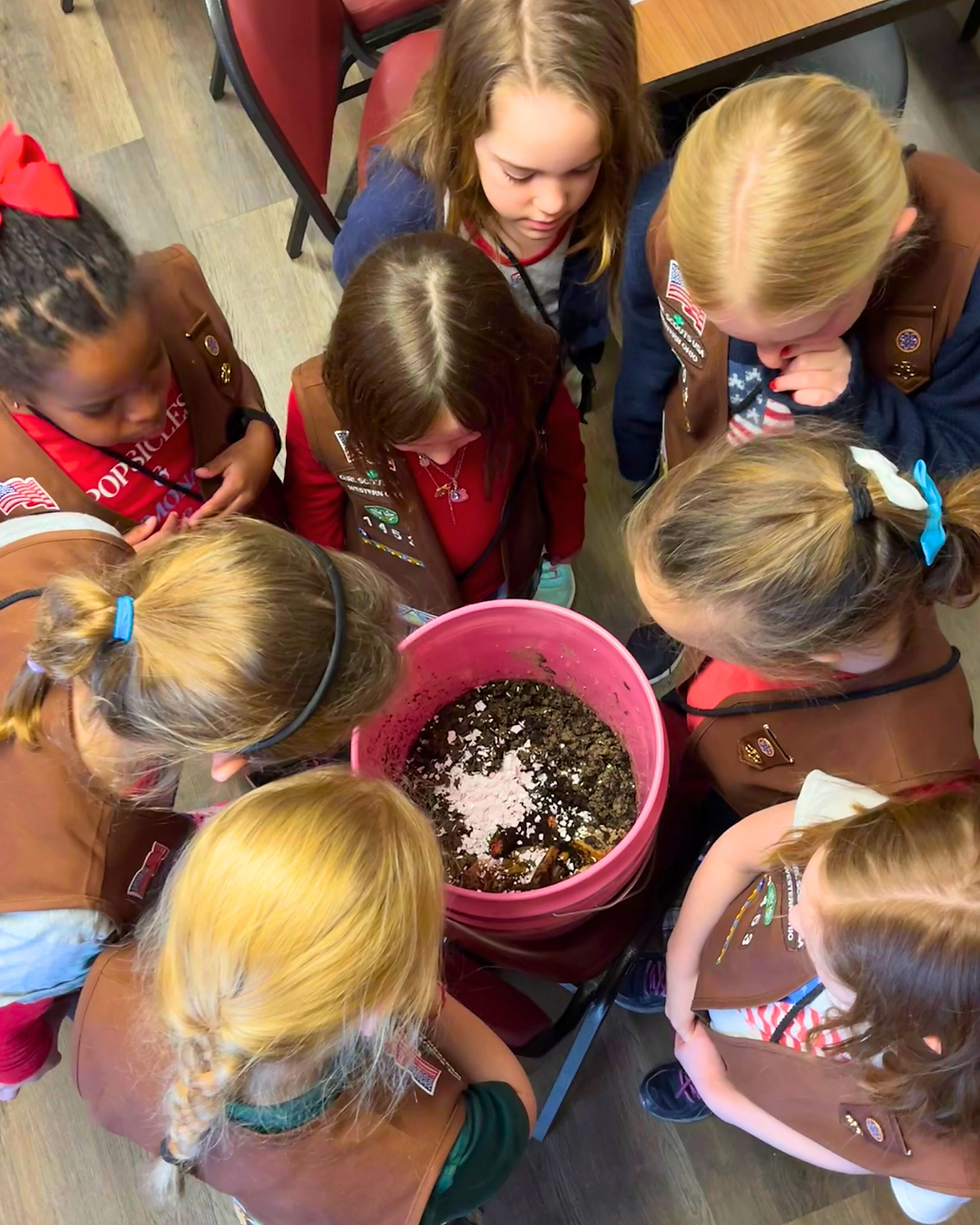
5. Educate Students and Families
If running an educational compost program:
Include invasive species education in lessons
Teach why species selection matters
Reinforce that compost worms stay in bins
Build ecological literacy alongside waste diversion
Why This Matters

Soil is infrastructure. Responsible composting should strengthen local soil systems, not disrupt them. Proper worm composting supports food systems, water filtration, carbon cycling, and plant health. Introducing the wrong worm species for composting can:
Alter soil food webs
Increase erosion risk
Reduce forest understory regeneration
Impact long-term ecosystem stability
Where to Buy Composting Worms Near You
1. Local Worm Farms (Best Option)
Local sourcing supports small farmers and reduces shipping stress on worms. To find composting worms near you, search:
“red wigglers + your city”
“worm farm + your state”
“vermicomposting worms near me”
2. Bait & Tackle Shops
Many bait shops carry red wigglers or can special order them. Call first and confirm they carry red wigglers, not nightcrawlers. You can also search:
“bait shop near me”
“live fishing worms + city”
3. Master Gardener Programs
Many county Master Gardener groups know local worm suppliers. Be sure to check:
County Cooperative Extension offices
Master Gardener or local garden Facebook groups
Community garden boards
4. Facebook Marketplace & Local Groups
Search:
“red wigglers”
“compost worms”
“worm bin”
Also check:
Local gardening groups
Homesteading groups
School garden networks
Online Worm Suppliers
Many suppliers ship across the United States. When possible, we recommend finding a supplier closest to you. Shorter shipping distances reduce transit time, emissions, and stress on the worms, which helps them arrive healthier and ready to establish in your compost system.
About Let’s Go Compost
Let’s Go Compost is a national nonprofit making composting simple, affordable, and accessible. Our programs bring hands-on composting to communities, helping people turn food and plant waste into healthy soil that supports food systems, native plant ecosystems, and pollinators. Learn more at letsgocompost.org and support our work at letsgocompost.org/donate.


