



Worm Bin Pests, Smells, and Vermicomposting Problems
Updated: Jul 15
Starting a worm bin is one of the easiest ways to turn food scraps into nutrient-rich compost for gardens. Occasionally, new vermicomposters notice unexpected bugs, odors, or other changes inside the bin.

A worm bin functions as a living ecosystem where worms work together with microbes, fungi, and small decomposers to break down organic material. Many organisms that appear in worm bins are actually beneficial and help speed up composting! However, some insects or conditions can signal that the system needs adjustment. But, with a few simple adjustments, most vermicomposting problems are easy to solve.
In this guide, we'll explain:
Common worm bin bugs and pests
What they mean for your compost system
How to fix worm bin odors or moisture problems
How to keep compost worms healthy
How to Tell If Your Worm Bin Is Healthy
One of the biggest concerns for new vermicomposters is knowing whether their worm bin is working correctly. Fortunately, a healthy worm bin is usually easy to recognize. Signs of a healthy worm bin include:
A mild, earthy smell similar to forest soil
Active worms throughout the bedding
Food scraps gradually disappearing
Moist bedding that feels like a wrung-out sponge
Small populations of beneficial decomposers such as springtails or isopods
Dark, crumbly worm castings beginning to form

No worm bin is completely free of insects or microorganisms. In fact, many of the organisms that appear naturally help break down food scraps and support the composting process. New to vermicomposting? Start with our Worm Composting for Beginners guide.
First: Not Every Bug in a Worm Bin Is a Problem
Healthy compost contains many organisms besides worms. These small decomposers help break down food scraps before worms finish the process. Common beneficial organisms include:
Bacteria
Fungi
Springtails
Isopods
Mites
Millipedes

Together, they help transform food scraps into stable organic matter and nutrient-rich vermicompost. Most of these organisms require no action.
Beneficial Organisms Commonly Found in Worm Bins
While most organisms commonly found in compost and worm bins are harmless and play an important role in breaking down organic matter, it is still important to use caution when working with any compost system. Let’s Go Compost recommends using garden gloves and hand tools when handling materials in a compost bin rather than direct hand contact, especially for children. Always wash hands thoroughly with soap and water after working with compost to maintain good hygiene.

Springtails
Tiny insects that jump when disturbed. They are usually white or gray and thrive in moist environments. Springtails feed on fungi, bacteria, and decaying organic material. They generally are harmless and beneficial, and are a sign that your bin has active decomposition.
Isopods (Roly-Polies or Pill Bugs)
Isopods are small crustaceans related to shrimp that live in damp soil environments. They eat decaying plant material, fungi, and generally mean that organic matter is breaking down normally. You can leave them alone because they help decomposition.
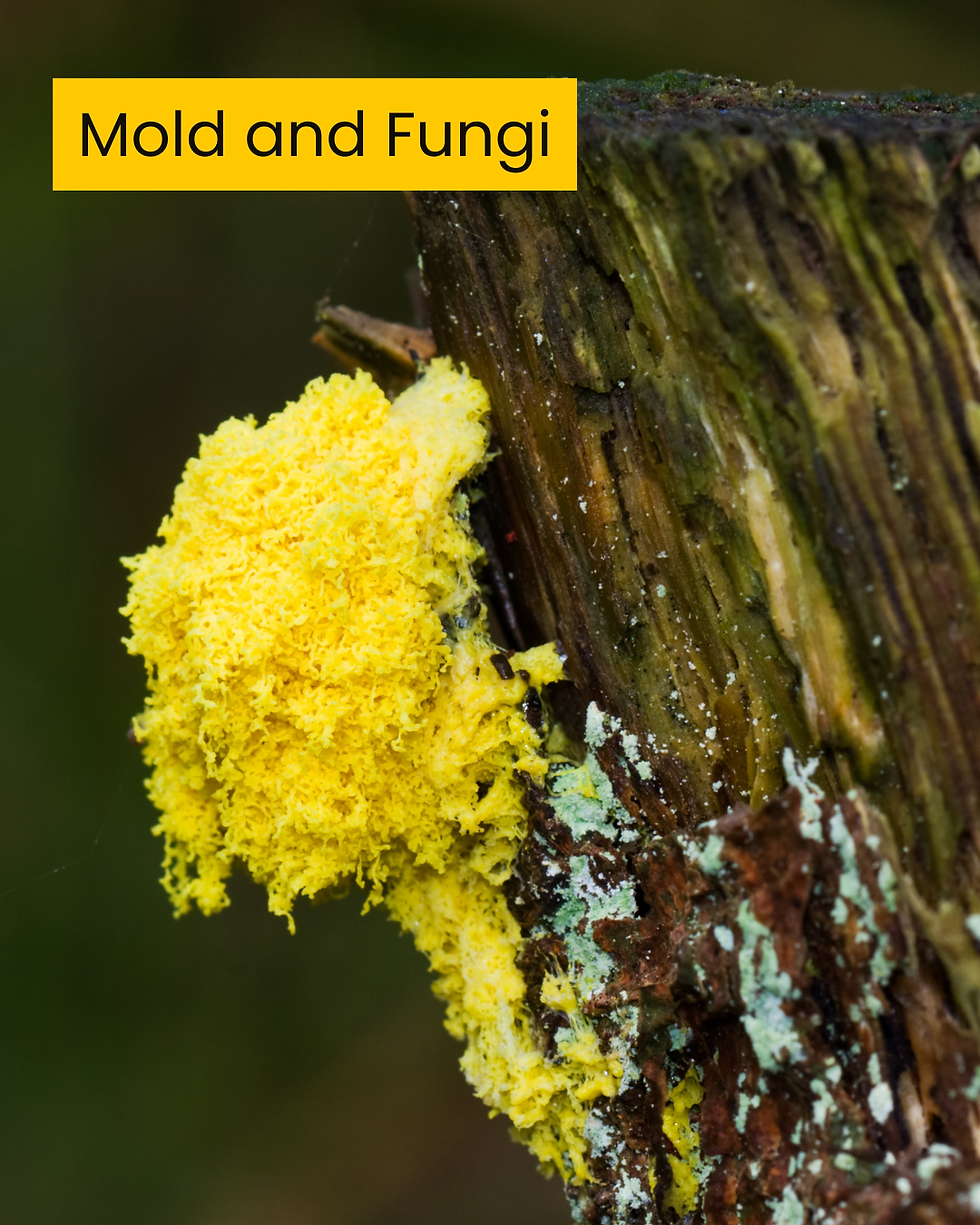
Mold and Fungi
White fuzzy growth often appears on food scraps. It normally means that microbial decomposition is occurring. There is nothing to do unless mold becomes excessive. If large patches appear, reduce feeding slightly and add bedding.
Millipedes
Millipedes are long segmented arthropods that feed on decaying plant material. They help break down leaves and organic matter. They are harmless to worms and require no action.

Why Do Bugs Appear in Worm Bins?
Finding insects in a worm bin often surprises beginners, but worms are only one part of a much larger ecosystem. As food scraps begin decomposing, they naturally attract microorganisms and small invertebrates that help break organic matter into smaller pieces. Many of these organisms work alongside composting worms rather than competing with them.
In most cases, the type of organisms you see reflects the current conditions inside your bin. Too much moisture, excess food, poor airflow, or acidic conditions may encourage certain species while discouraging others. Rather than asking, "How do I get rid of every bug?" it's usually more helpful to ask, "What is this organism telling me about my worm bin?"
Common Worm Bin Pests (And How to Fix Them)
Some organisms appear when environmental conditions shift inside the bin. They usually indicate moisture, feeding, or airflow issues.
Quick Worm Bin Problem Diagnosis
If You See... | It Usually Means... | First Thing to Try |
Fruit flies | Food exposed | Bury food deeper |
Fungus gnats | Too much moisture | Add dry bedding |
Ants | Bin too dry | Moisten bedding |
Pot worms | Bin becoming acidic | Add bedding and crushed eggshells |
Many mites | Too much food/moisture | Stop feeding temporarily |
Worms escaping | Stress | Check temperature and moisture |
Bad smell | Anaerobic conditions | Add cardboard and aerate |
Fruit Flies in Worm Bins
Fruit flies are the most common nuisance in vermicomposting systems. They are caused by exposed food scraps, overfeeding, and/or insufficient bedding.

Signs of Fruit Flies in Your Compost Bin Include:
Small flies hovering near the compost bin
Larvae in exposed food scraps
Increased activity around fruit or vegetable waste
To combat fruit flies, always bury food scraps under bedding, freeze scraps before feeding, add plenty of shredded cardboard or paper throughout the food with 1-2 inches of shredded paper on the top of the bin to create a barrier, and reduce feeding until existing food breaks down. Overall, fruit flies are annoying but they do not harm worms.
Fungus Gnats
Fungus gnats resemble tiny mosquitoes and breed in moist organic matter. They are also caused by excess moisture and/or decomposing food near the surface of your worm farm.

To combat fungus gnats in your compost bin:
Increase dry bedding at the top of the bin
Improve airflow by mixing in shredded cardboard or paper throughout the bin
Avoid overwatering the bin
If your bin has a leachate container at the bottom, ensure it is drained regularly
Mites in Worm Bins
Mites are microscopic relatives of spiders. Most species feed on organic matter and microorganisms. In small numbers they are normal, but large populations can signal imbalance. They are caused by overfeeding, excess moisture, and/or acidic conditions. To reduce mites in your compost bin, stop feeding the bin until all visible food waste is gone, add dry bedding such as shredded cardboard, and increase airflow by using a hand tool to remove compacted areas of the worm bin. Overall, most mites are harmless to worms, but extremely large populations can stress the system.
Pot Worms
Pot worms are tiny white worms that look like thin threads. Pot worms thrive in acidic conditions, and are generally caused by excessive citrus or fruit scraps, overfeeding, and/or poor airflow. You can reduce the amount of pot worms in your compost bin by adding crushed eggshells, increase bedding, and reduce acidic foods temporarily. Pot worms do not harm compost worms, but they do indicate that conditions should be adjusted.
Ants in Worm Bins
Ants typically enter worm bins searching for food or dry shelter. It generally means your compost bin is too dry. To eliminate ants from your worm compost bin, make sure the bedding is lightly moistened (like a wrung out sponge), bury food deeper, wait to feed until all remaining food scraps are gone, and place bin legs in small water trays. Ants generally leave once moisture levels increase, and once their path is no longer available.
Black Soldier Fly Larvae (BSFL)
Black soldier fly larvae are large gray or cream colored larvae sometimes found in outdoor worm bins. They are powerful decomposers that break down food waste quickly, but they are generally not wanted in indoor worm compost bins (but can be a great way to compost outdoors). They do not harm compost worms but can dominate the bin if food is abundant and temperatures are warm. To reduce the BSFL population in your compost bin, reduce feeding, remove larvae manually, and move excess food waste to an outdoor compost pile.
When Should You Actually Worry?
Most organisms found in worm bins are harmless. The situations that deserve attention are when you notice:
Strong foul odors
Large numbers of worms trying to escape
Standing liquid
Extremely high temperatures
Large predator populations
Worm deaths
Even then, most problems can be corrected within a few days by adjusting moisture, airflow, bedding, or feeding.
Predatory Organisms to Remove
A few organisms can harm worms and should be removed if discovered. These include, but are not limited to:
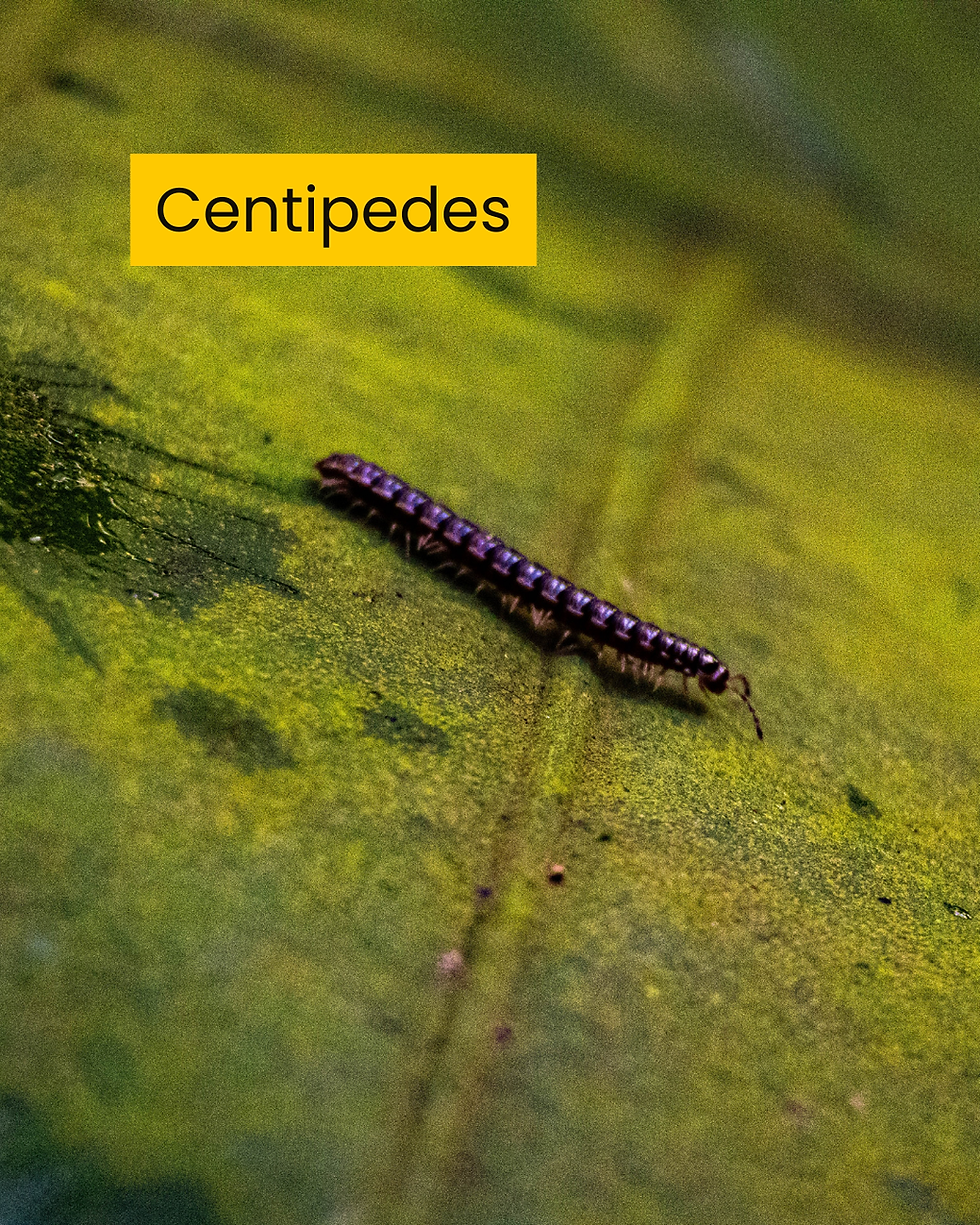
Centipedes
Centipedes are fast predators with long legs. They can prey on worms and should be removed from the bin.
Planarians (Flatworms)
Planarians are flat worms with arrow-shaped heads. These predators can eat worms. If found, remove them immediately.
Does Your Worm Bin Smell Bad?
A healthy worm bin should smell earthy, similar to forest soil. Strong, foul odors usually indicate anaerobic decomposition, where microbes break down organic matter without oxygen. Common causes of compost odor include:
Overfeeding
Excess moisture
Insufficient bedding
As recommended above, you will want to:
Add shredded cardboard or paper
Stop feeding until all food waste is eaten
Gently mix the upper layer to increase airflow
Are Your Worms Crawling Out of the Bin?
A few worms on the lid or sides of the bin can occur naturally. Large numbers trying to escape indicate stress. Possible causes most often include:
Extreme temperatures
Excess moisture
Poor oxygen levels
Acidic conditions
If worms are crawling out of your compost bin, you can"
Add dry bedding
Reduce feeding temporarily
Ensure adequate airflow
Use a bright light to encourage them to burrow into the bin
Worm Bin Too Wet
Food scraps contain large amounts of water and release additional moisture during decomposition. If a bin becomes too wet, it may develop odors and attract pests.
Solutions for this include:
Add shredded cardboard or newspaper
Increase airflow
Reduce wet food additions temporarily
Worm Bin Temperature
Red wiggler compost worms perform best in moderate temperatures. An ideal range
is 55°F to 77°F, but they can survive between roughly 40°F and 85°F. Feeding slows outside the optimal range, and hot temperatures above 86°F can harm worms.
Be sure to keep your bins shaded if they are outdoors, and move bins indoors during extreme weather.
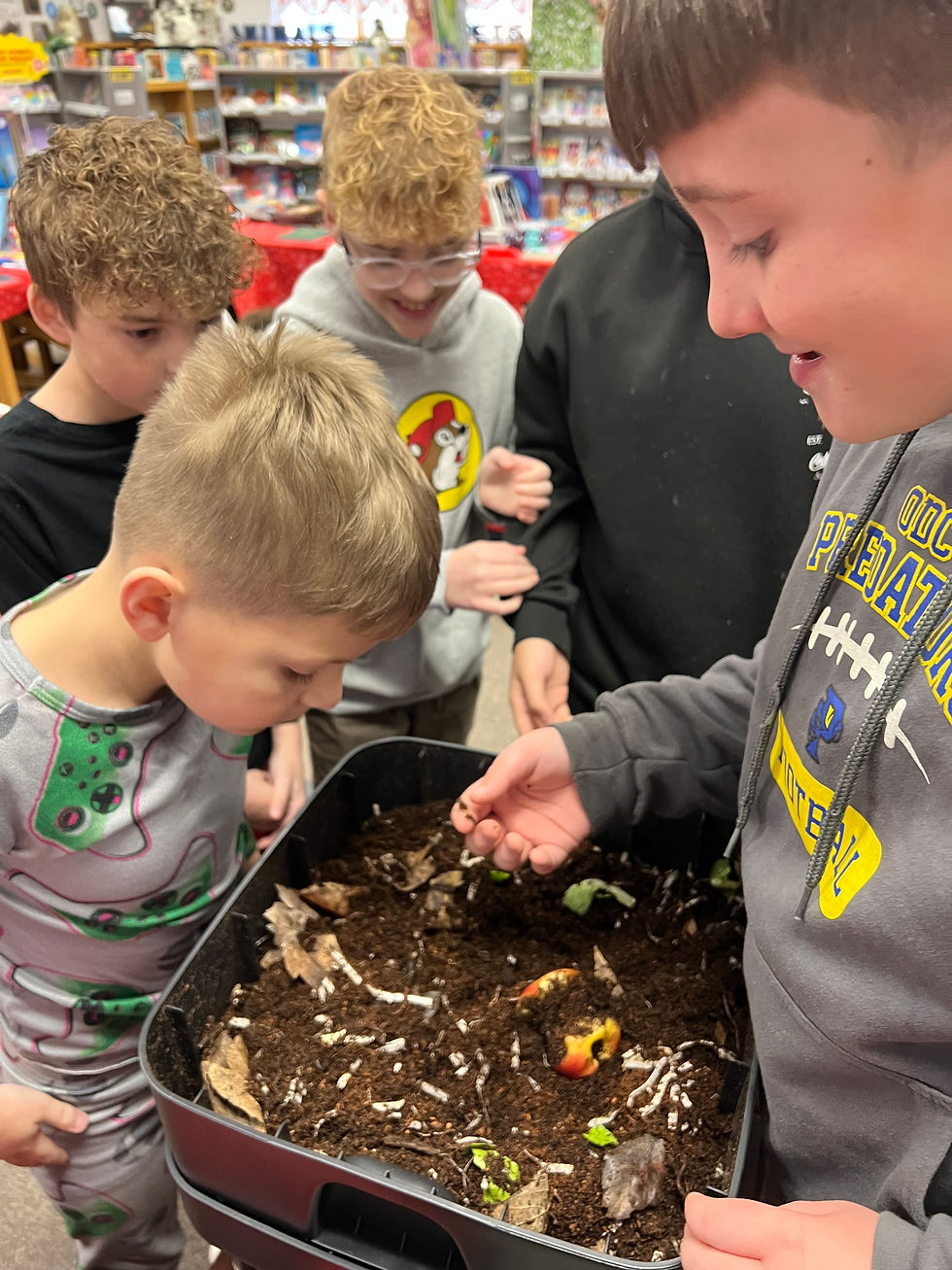
Why Is My Worm Bin Composting So Slowly?
Sometimes there aren't any pests at all. The worms simply aren't eating very quickly. Slow composting is often caused by:
Cold temperatures
Too much bedding
Too little food
Overfeeding
A new worm bin that hasn't fully established
Food pieces that are too large
Cutting food into smaller pieces and freezing scraps before feeding can often speed decomposition because microorganisms begin breaking the food down before worms consume it.
Seasonal Worm Bin Problems
Spring
Bins often become wetter as temperatures rise and feeding increases.
Summer
High temperatures can stress worms, dry bedding, and encourage fruit flies. Read our guide on how to compost in the heat.
Fall
Leaves make excellent bedding additions while cooler temperatures improve worm activity.
Winter
Outdoor bins slow significantly and may require insulation or moving indoors in colder climates. Read our guide on how to compost in the cold.
Preventing Worm Bin Problems
As you have noticed throughout this article, most vermicomposting issues can be fixed with three simple practices.
Balance Food and Bedding: Food scraps provide nitrogen while bedding materials provide carbon. Keeping more bedding than food helps prevent odors and pests. Healthy worm bins require plenty of carbon bedding like:
Shredded cardboard
Newspaper
Dry leaves
Coconut coir
Always Bury Food Scraps: Cover food scraps with bedding or compost to prevent flies and pests.
Feed Slowly: Overfeeding is the most common mistake beginners make.
Add small amounts of food and wait until worms process it before feeding again.
Healthy Worm Bins Build Healthy Soil
Vermicomposting transforms food scraps into nutrient-rich compost filled with beneficial microbes that improve soil structure and plant health. Across the United States, Let's Go Compost uses worm bins in schools, libraries, and gardens to teach:
Soil biology
Food waste reduction
Composting science
Regenerative gardening
With proper balance, a worm bin becomes a self-regulating ecosystem that produces powerful natural fertilizer while keeping food waste out of landfills.
Frequently Asked Questions
Why does my worm bin smell bad?
A healthy worm bin should smell earthy, similar to fresh forest soil. Strong sour, rotten, or ammonia-like odors usually indicate that the bin has become anaerobic due to overfeeding, excess moisture, or insufficient bedding. Adding shredded cardboard or paper, reducing feeding, and gently increasing airflow will usually solve the problem.
Related: Learn more in How to Get Rid of Compost Smell: Simple Fixes That Work.
Are bugs normal in a worm bin?
Yes. A healthy worm bin is a living ecosystem, not just a container of worms. Many organisms, including springtails, isopods, beneficial mites, fungi, and bacteria, help break down organic matter before worms finish the composting process. Most insects and microorganisms found in a worm bin are harmless or beneficial.

Why are my worms crawling out of the bin?
A few worms exploring the lid or sides of the bin is normal. However, if many worms are trying to escape, they may be responding to stress caused by:
Excess moisture
Poor airflow
Extreme temperatures
Overfeeding
Acidic conditions
Check the bedding, moisture level, and temperature before adding more food.
Related: Read our Worm Composting Temperature Guide to make sure your worms are in their ideal temperature range.
Why is my worm bin attracting fruit flies?
Fruit flies are usually attracted to exposed food scraps, especially fruits and vegetables near the surface of the bedding. Burying food beneath several inches of bedding, freezing scraps before feeding, and keeping a layer of shredded cardboard or newspaper on top of the bin can greatly reduce fruit fly populations.
Are mites harmful to composting worms?
Usually not. Most mites found in worm bins feed on decaying organic matter rather than worms. Small populations are completely normal. Large numbers often indicate that the bin is too wet or contains more food than the worms can process.
Why are there ants in my worm bin?
Ants almost always indicate that the bedding is too dry. Composting worms prefer moist bedding that feels like a wrung-out sponge, while ants prefer much drier conditions. Adding moisture and burying food more deeply usually encourages ants to leave on their own.
Related: Read our Ants in Your Compost Guide to learn more.
Can mold hurt compost worms?
No. Mold is a natural part of decomposition and is common in healthy compost systems. Composting worms generally avoid fresh mold until microorganisms begin breaking it down further. If excessive mold develops, reduce feeding temporarily and add additional bedding to improve airflow.
Why is my worm bin too wet?
Most moisture comes from food scraps, especially fruits and vegetables. If the bin becomes soggy or develops standing liquid, add dry carbon-rich bedding such as shredded cardboard, newspaper, or coconut coir, improve airflow, and temporarily reduce wet food additions.
Related: Learn more about moisture management in Too Dry or Too Wet? How to Keep Your Compost at the Ideal Moisture Level.
Why is my worm bin composting so slowly?
Slow composting is often caused by cool temperatures, overfeeding, large food scraps, or a newly established worm bin that hasn't fully developed its microbial community. Cutting food into smaller pieces, freezing scraps before feeding, and maintaining proper moisture and temperature can help speed decomposition.

Can I overfeed my compost worms?
Yes. Overfeeding is one of the most common mistakes new vermicomposters make. Adding food faster than worms and microorganisms can process it often leads to odors, fruit flies, excess moisture, and pest outbreaks. It's best to wait until most of the previous feeding has disappeared before adding more food.
Should I remove every bug I find in my worm bin?
No. Most organisms found in worm bins are beneficial and help decompose organic matter. Only predatory organisms, such as centipedes or planarians (flatworms), generally need to be removed because they can prey on composting worms.
How do I know if my worm bin is healthy?
Healthy worm bins typically have:
An earthy smell
Active worms throughout the bedding
Food scraps gradually disappearing
Moist bedding that feels like a wrung-out sponge
Small populations of beneficial decomposers
Dark, crumbly worm castings forming over time
A balanced worm bin won't be completely free of insects or microorganisms. In fact, those organisms are often a sign that your compost ecosystem is functioning as it should.
About Let’s Go Compost
Let’s Go Compost is a national nonprofit making composting simple, affordable, and accessible. Our programs bring hands-on composting to communities, helping people turn food and plant waste into healthy soil that supports food systems, native plant ecosystems, and pollinators. Learn more at letsgocompost.org and support our work at letsgocompost.org/donate.


