



Ants in Your Compost? Here’s What They’re Trying to Tell You And How to Fix It Fast)
If you are a home gardener or just getting started with composting, finding ants in your compost bin can feel like something went wrong. In fact, ants are one of the clearest signals your compost is out of balance, and once you understand what they mean, they become one of the easiest issues to fix. Ants are attracted to dry compost, exposed food scraps, and sugary materials like fruit. When they show up, your compost has likely shifted away from an active, living system and into a dry environment where decomposition slows down.
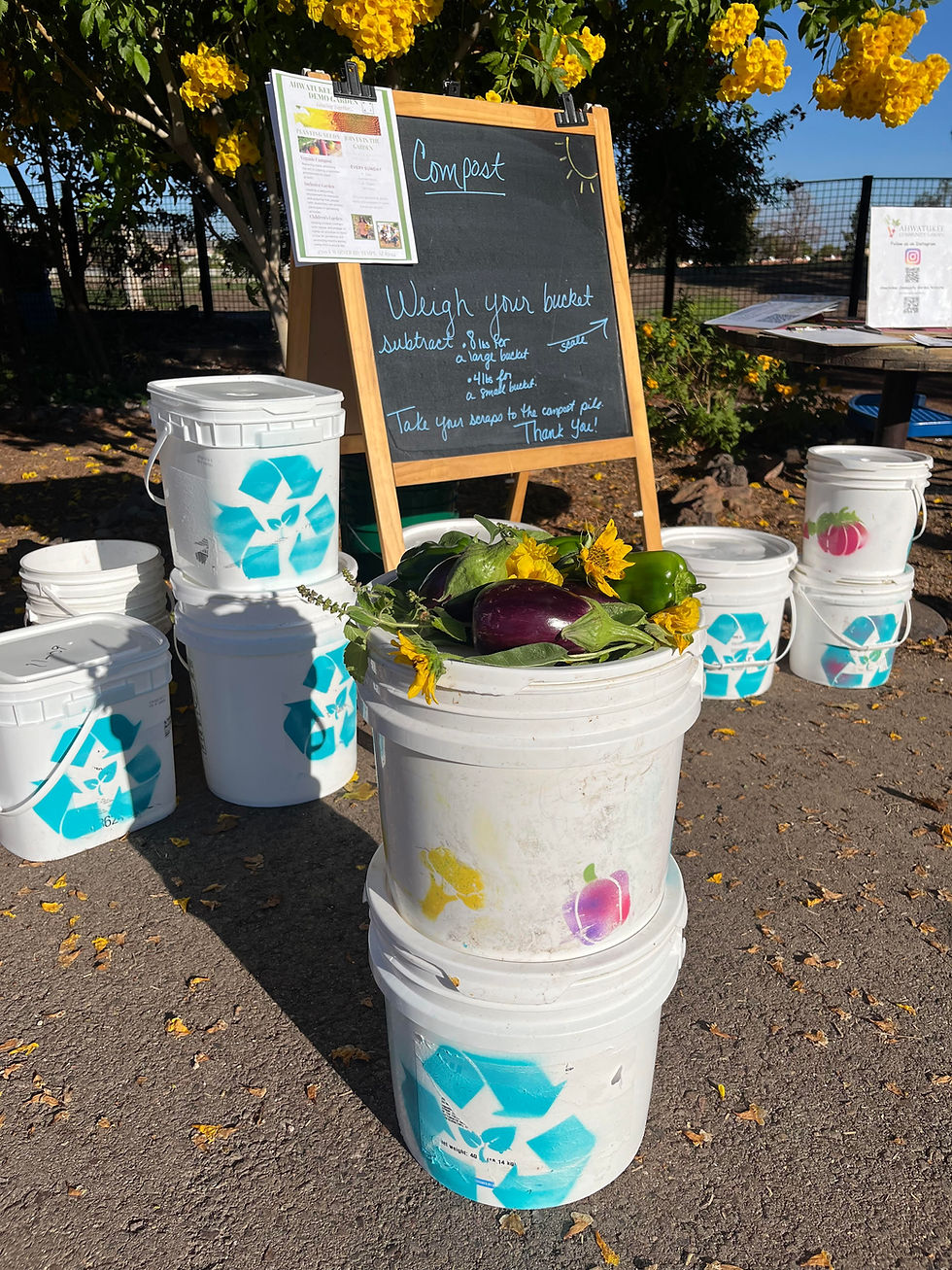
A healthy compost pile should feel like a wrung-out sponge, damp enough to support microbes but not soaking. If your compost feels dusty or crumbly, ants will move in because the conditions suit them better than the organisms that actually drive decomposition.
The Real Reason Ants Show Up in Compost
Ants are usually not the root problem in a compost system. In most cases, they are a sign that environmental conditions inside the compost are out of balance. However, this can vary depending on the composting method being used. Hot composting systems, cold composting piles, tumbler bins, vermicomposting systems, and bokashi setups all function differently and attract different organisms under different conditions.
In many traditional home compost systems, ants tend to appear when there is not enough moisture, when food scraps are left exposed, or when there is too much sugary or nitrogen-rich material without enough balance from dry carbon inputs. This is especially common in beginner compost bins that rely heavily on kitchen scraps without enough shredded cardboard, dry leaves, or paper. When compost becomes too dry or poorly balanced, microbial activity slows down and the system starts behaving less like active compost and more like a stable food source. Ants take advantage of those conditions quickly.
In hot compost systems, properly managed high temperatures and regular turning often discourage ant colonies naturally. In vermicomposting systems, ants are usually a sign that the bedding has become too dry for composting worms, since worms require consistently moist conditions. In tumbler systems, exposed food scraps and insufficient browns are common causes. Bokashi systems, which rely on fermentation in sealed containers, generally experience fewer ant problems unless material is exposed after processing.
How to Fix Ants in Compost Without Chemicals
The most effective way to reduce ants in compost is to correct the conditions attracting them rather than using pesticides or chemical treatments. Start by gradually adding moisture and mixing it evenly throughout the pile. Compost should feel damp like a wrung-out sponge, never soaking wet or completely dry. If the system contains a large amount of fruit and vegetable scraps, especially in backyard or indoor bins, adding more dry “brown” materials such as shredded cardboard, paper, or leaves helps absorb excess moisture, reduce concentrated sugars, and rebalance the carbon-to-nitrogen ratio.
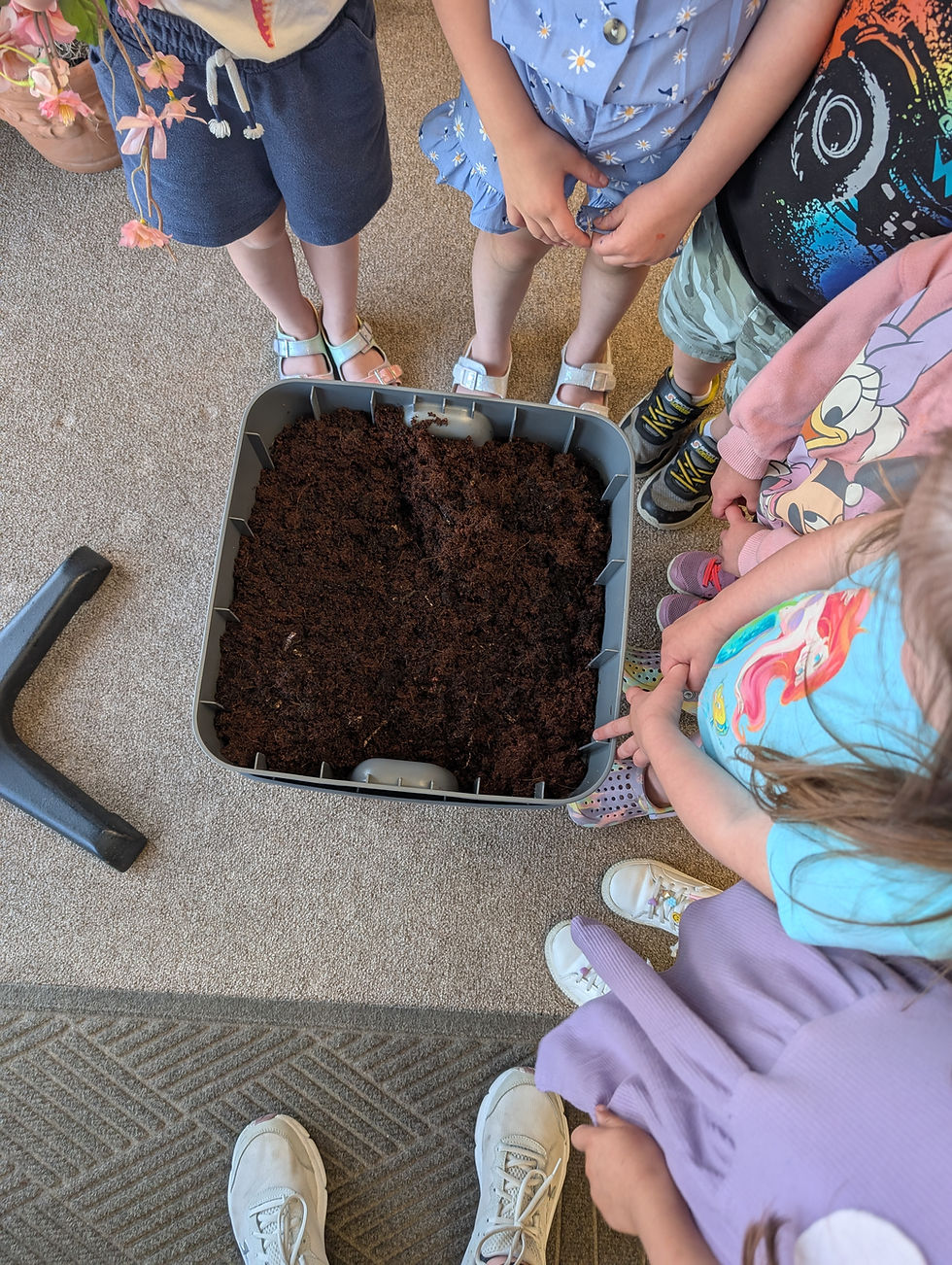
Burying food scraps beneath existing compost instead of leaving them exposed also limits access for ants, flies, and other pests. In traditional compost piles, turning the material regularly disrupts ant tunnels, improves airflow, and reactivates decomposition. In worm bins, lightly moistening bedding and reducing exposed food often resolves the issue quickly without disturbing the worms. Once moisture, airflow, and material balance are restored, ants typically leave on their own because the environment no longer supports colony growth.
Other Compost Pests and What They Mean
Ants are only one type of pest you might see in compost. Each one points to a different issue, and understanding the pattern makes composting much easier, especially for novice gardeners.
If you notice fruit flies or small gnats, it usually means food scraps are exposed or there is too much fresh material sitting on top of the pile. These insects are drawn to sugars and moisture at the surface, which is why burying scraps and adding a layer of browns helps immediately.
If your compost smells strong or unpleasant and starts attracting larger pests, that signals a bigger imbalance. Rodents like rats and mice are drawn to compost bins that contain meat, dairy, oily foods, or easy access points. Raccoons behave the same way but are even more aggressive, often tipping bins or digging through piles at night. In both cases, the issue is not the presence of compost itself but how accessible and what materials are inside it. A properly managed compost system for home gardeners avoids these materials and uses secure, well-closed bins when needed.

You may also see beetles, pill bugs, or other small insects in your compost. These are often mistaken for pests, but they are actually beneficial decomposers that help break down organic matter. Mold can also appear, especially white or fuzzy growth, which is a normal part of the decomposition process. However, excessive mold combined with a wet, compacted pile can indicate too much moisture and not enough airflow.
What Your Compost Is Trying to Tell You
Every pest in compost is feedback. Ants point to dryness. Flies point to exposure. Rodents point to accessibility or improper materials. Strong odors point to too much moisture or poor airflow. Once you understand these signals, composting becomes far more predictable. Instead of reacting with chemicals or starting over, you can make small adjustments that correct the system quickly.
Compost is very responsive and will tell you what is wrong. Once you learn to read these signals, composting becomes one of the most reliable and low-maintenance systems in your garden.
About Let’s Go Compost
Let’s Go Compost is a national nonprofit making composting simple, affordable, and accessible. Our programs bring hands-on composting to communities, helping people turn food and plant waste into healthy soil that supports food systems, native plant ecosystems, and pollinators. Learn more at letsgocompost.org and support our work at letsgocompost.org/donate.

