


Compost for Xeriscaping: How Compost Creates Water-Wise, Healthy Landscapes
- 3 days ago
- 4 min read

Xeriscaping is often associated with gravel, cacti, and drought-tolerant plants, but healthy soil is what makes a water-wise landscape successful. One of the best ways to improve that soil is with finished compost. Compost increases organic matter, improves soil structure, helps the soil absorb and store water, and supports beneficial microorganisms that keep plants healthy. Whether you're designing a new xeriscape or improving an existing landscape, compost helps plants establish deeper roots and become more resilient with less irrigation. The key is knowing where compost belongs and where it doesn't.
Why Compost Is Important for Xeriscaping
The goal of xeriscaping is to create beautiful landscapes that require less water while remaining healthy and resilient. Finished compost helps achieve that goal by improving the soil beneath the plants. Healthy soil acts like a sponge, holding water longer so plants can use it instead of losing it to runoff or evaporation. Benefits of compost for xeriscaping include:
Improves soil structure
Increases water infiltration
Improves moisture retention
Reduces runoff and erosion
Supports beneficial soil microbes
Encourages deeper root growth
Slowly releases nutrients
Builds long-term soil health

How to Use Compost in a Xeriscape
How you apply compost depends on whether you're installing a new landscape or maintaining an existing one. For new xeriscapes:
Incorporate 2–4 inches of finished compost into planting areas if appropriate for your soil and plant selection.
Plant drought-tolerant species suited to your region.
Finish with an organic mulch around plants to reduce evaporation.
For established landscapes:
Apply 1–2 inches of finished compost as a topdressing around shrubs, perennials, and ornamental grasses.
Keep compost a few inches away from stems and trunks.
Cover with mulch if desired.
Avoid using compost as a decorative mulch. Compost is a soil amendment, while wood chips or shredded bark are better suited for protecting the soil surface.
Native Plants May Need Less Compost
One of the biggest misconceptions about xeriscaping is that every plant benefits from rich, heavily amended soil. Many native plants evolved in the soils where they naturally occur. Some desert natives, prairie grasses, and other regionally adapted plants actually perform best in relatively lean soils. Excessive compost or fertilizer can encourage weak growth, reduce flowering, or shorten plant lifespan. Healthy native soil is already a functioning ecosystem and often benefits from minimal disturbance. Before amending the soil, research the specific needs of your plants. Compost is often most valuable when:
Establishing landscape plants
Improving heavily disturbed soils
Rebuilding compacted soils
Supporting non-native drought-tolerant ornamentals
Increasing water infiltration in poor soils
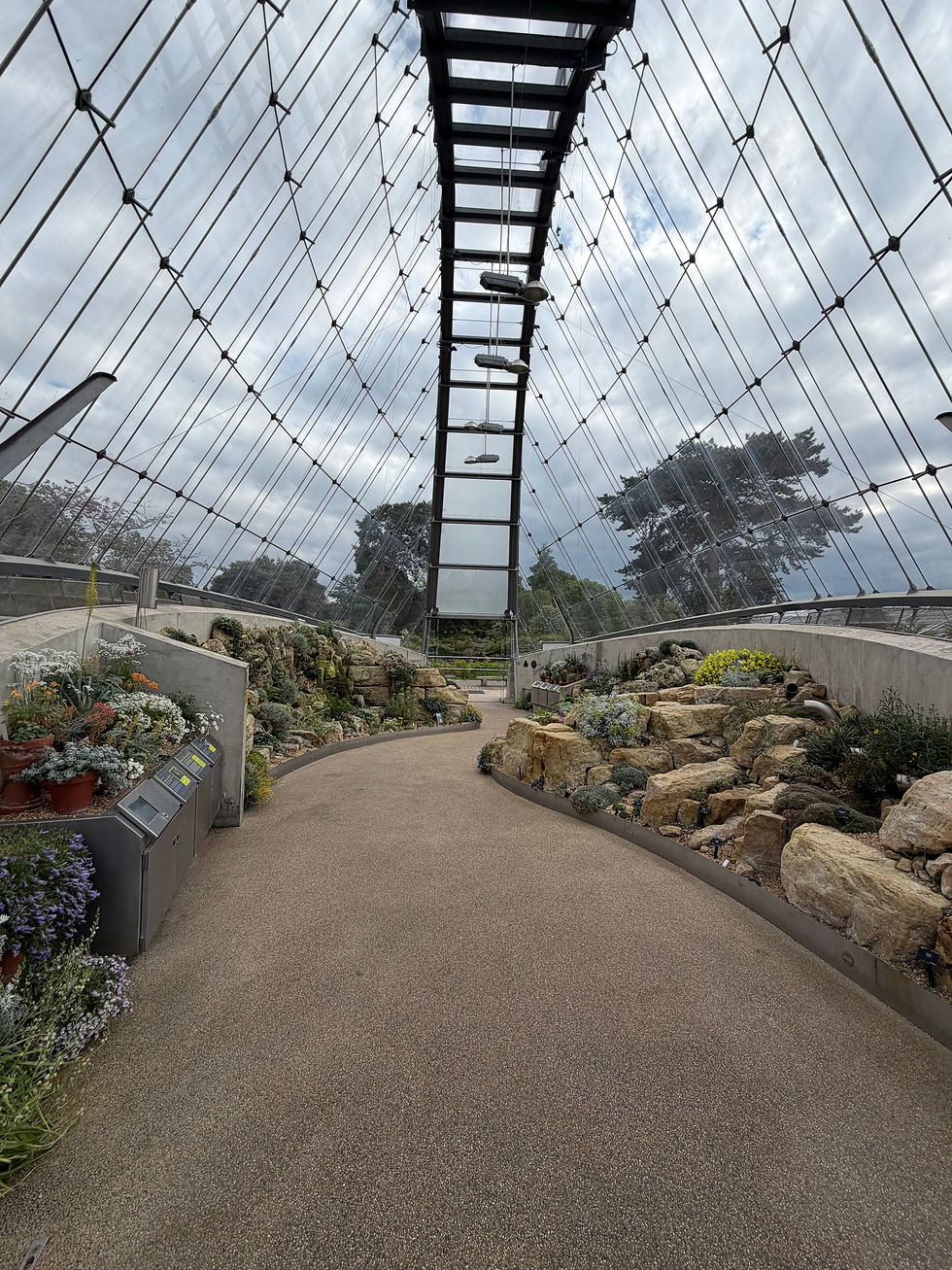
Compost Helps Xeriscapes Save Water
One of compost's greatest benefits is improving how soil handles water. Instead of allowing irrigation or rainfall to run off compacted ground, compost helps water soak deeper into the soil where roots can access it. Organic matter also helps retain moisture, reducing how often many plants need supplemental watering. Combined with efficient irrigation, mulch, proper plant selection, and thoughtful landscape design, compost becomes an important part of a water-wise landscape.
Compost vs. Mulch: Do You Need Both in a Xeriscape?
Yes. Compost and mulch serve different purposes, and many successful xeriscapes use both. Compost is a soil amendment. It improves the soil beneath your plants by increasing organic matter, supporting beneficial microorganisms, improving water infiltration, and slowly releasing nutrients. Mulch protects the soil surface. Organic mulches like wood chips, shredded bark, or leaves reduce evaporation, suppress weeds, moderate soil temperatures, and gradually break down over time. A good rule of thumb is:
Compost goes on the soil.
Mulch goes on top of the compost.
Together, they create healthier soil that stores more moisture and supports stronger plants while reducing irrigation needs.
Frequently Asked Questions
Does xeriscaping require compost?
Not always. Many landscapes benefit from compost, especially in disturbed or poor soils, but some native plants thrive in existing native soil with little or no amendment.
Is compost better than mulch?
They serve different purposes. Compost improves the soil, while mulch protects the soil surface and reduces evaporation. Many xeriscapes benefit from using both.

Can compost reduce watering?
Yes. Compost increases the soil's ability to absorb and hold moisture, helping plants make better use of rainfall and irrigation.
Should I mix compost into desert soil?
It depends on the plant species and your existing soil. Some drought-tolerant ornamentals benefit from compost during establishment, while many native desert plants prefer minimal soil disturbance.
What mulch works best with compost?
Organic mulches such as wood chips, arborist mulch, shredded bark, or leaves pair well with compost because they continue adding organic matter as they decompose.
A Xeriscape's Secret Ingredient Is Healthy Soil
Water-wise landscapes don't begin with rocks. They begin with living soil. Finished compost helps create stronger roots, healthier plants, and soil that captures every drop of rain more effectively. When paired with native plants, thoughtful design, and organic mulch, compost becomes one of the simplest ways to build a resilient xeriscape that conserves water while supporting biodiversity for years to come.
About Let’s Go Compost
Let’s Go Compost is a national nonprofit making composting simple, affordable, and accessible. Our programs bring hands-on composting to communities, helping people turn food and plant waste into healthy soil that supports food systems, native plant ecosystems, and pollinators. Learn more at letsgocompost.org and support our work at letsgocompost.org/donate.


