



What Is Soil Organic Matter? The Secret to Healthier Soil and Stronger Plants
Healthy soil is the foundation of every thriving garden, but it's much more than just dirt. Beneath the surface is a living ecosystem filled with microorganisms, fungi, insects, organic matter, air, water, and nutrients that all work together to support healthy plant growth.
One of the most important ingredients in that ecosystem is soil organic matter. Whether you're growing vegetables, maintaining a landscape, managing a community garden, or simply looking to improve your soil, understanding soil organic matter can help you build healthier soil, grow stronger plants, conserve water, and create more resilient gardens for years to come.
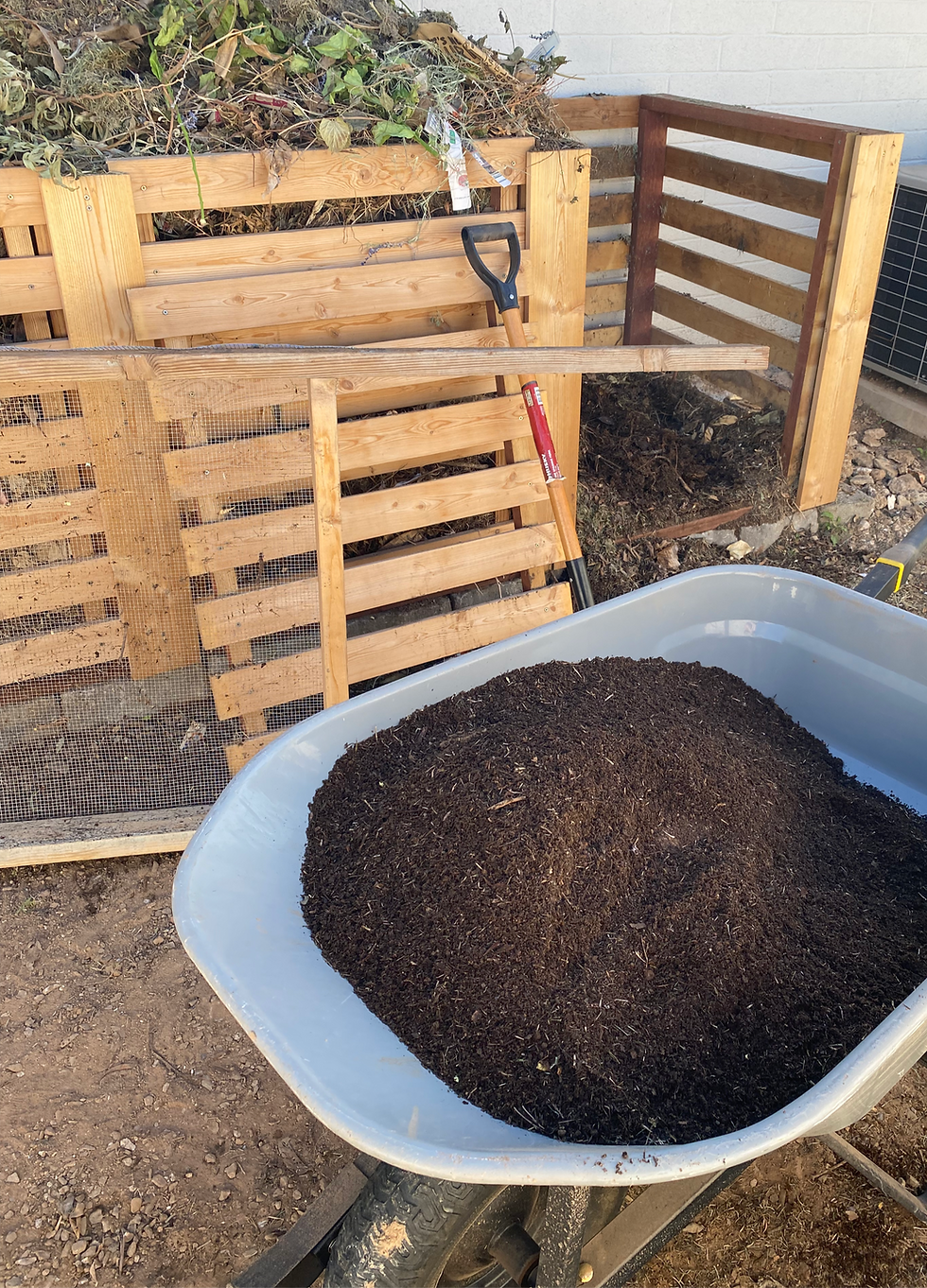
What Is Soil Organic Matter?
Soil organic matter is all of the living and once-living material found in soil. It includes:
Decomposed leaves
Plant roots
Compost
Beneficial bacteria
Fungi
Worm castings
Animal manure
Other decayed plant materials
Think of organic matter as the fuel that keeps soil alive. Without enough organic matter, soil becomes compacted, dries out quickly, and struggles to support healthy plants. With it, soil becomes a thriving ecosystem that stores water, cycles nutrients, supports beneficial organisms, and builds long-term fertility.
Why Is Soil Organic Matter Important?
Healthy soil organic matter improves nearly every aspect of a garden.
Holds More Water
Organic matter acts like a sponge, absorbing and storing moisture for plant roots. Benefits include:
Less frequent watering
Improved drought tolerance
Healthier plants during hot weather
Lower water use
This is especially valuable in dry climates where every drop of water matters.
Improves Soil Structure
Healthy soil contains tiny spaces that allow roots, water, and air to move freely.
Organic matter helps create those spaces by improving soil structure. Benefits include:
Easier root growth
Better drainage
Reduced soil compaction
Easier digging and planting
In clay soils, organic matter loosens dense, heavy ground. In sandy soils, it helps retain both water and nutrients.
Feeds Soil Life
Healthy soil is full of life. Just one teaspoon of healthy soil can contain billions of microorganisms that help:
Break down organic materials
Recycle nutrients
Build healthy soil structure
Support plant growth
Without organic matter, many of these beneficial organisms cannot thrive.
Reduces Erosion
Organic matter helps soil particles stick together into stable aggregates. That's especially important in school gardens, community gardens, and landscapes with exposed soil. This reduces:
Wind erosion
Water erosion
Stormwater runoff
Stores and Releases Nutrients
Organic matter acts like a natural nutrient bank. Unlike many synthetic fertilizers that provide a quick boost, organic matter feeds plants gradually while improving the soil itself. As it slowly decomposes, it releases nutrients including:
Nitrogen
Phosphorus
Potassium
Essential micronutrients
Supports Healthier Plants
Healthy plants start with healthy soil. Plants growing in healthy soil often develop:
Stronger root systems
Better drought resilience
Increased productivity
Improved overall growth

What Happens When Soil Lacks Organic Matter?
Soils low in organic matter often show warning signs like:
Hard, compacted ground
Water pooling after irrigation or rain
Soil drying out quickly
Poor plant growth
Frequent fertilizer needs
Few or no earthworms
Light-colored, dusty soil
Fortunately, these problems can often be improved over time by rebuilding soil organic matter.
How Compost Builds Soil Organic Matter
One of the easiest and most effective ways to increase soil organic matter is through composting. Instead of sending food scraps and yard waste to the landfill, compost transforms them into a nutrient-rich soil amendment that feeds plants and improves soil health. Materials that can become compost include:
Fruit and vegetable scraps
Coffee grounds
Tea leaves
Leaves
Grass clippings
Shredded paper
Cardboard
Plant trimmings
Adding finished compost helps:
Increase stable organic matter
Introduce beneficial microbes
Improve water retention
Reduce erosion
Support soil biodiversity
It's a perfect example of a circular system where waste becomes a valuable resource.
A Real-World Example
Imagine a school garden with hard, compacted soil that dries out almost immediately after watering. Students begin adding compost each season. Within one to two years, they often notice:
Soil becomes darker and easier to dig
More earthworms appear
Plants need less irrigation
Vegetable harvests improve
These changes happen because compost continually builds soil organic matter, creating healthier soil over time.
Four Simple Ways to Build Soil Organic Matter
1. Add Compost Every Year
Adding 1–2 inches of finished compost to garden beds each year is one of the best ways to improve soil health. Homemade compost can cost little or nothing, while purchased compost is generally affordable for larger projects.
2. Mulch With Natural Materials
Leaves, straw, and wood chips protect the soil surface while slowly breaking down into additional organic matter. Many communities even offer free wood chips or leaves.
3. Leave Plant Roots in the Ground
Instead of pulling every plant at the end of the season, leave some roots to decompose naturally. This feeds soil organisms beneath the surface and improves soil structure.

4. Plant Cover Crops
Cover crops like clover, oats, or rye protect bare soil between growing seasons while adding organic matter as they grow.
Common Mistakes
Healthy soil takes time to build. Avoid these common mistakes:
Mixing large amounts of fresh organic material directly into planting beds before it has composted
Assuming fertilizer replaces organic matter (it doesn't)
Over-tilling, which speeds up organic matter loss
Throwing away leaves instead of using them as mulch or compost
Soil Health Is a Long-Term Investment
Building healthy soil doesn't happen overnight. Here's what you can typically expect:
Timeline | What You'll Notice |
1–3 months | Initial improvements in moisture retention |
6–12 months | Better soil structure and easier digging |
1–3 years | Significant increases in soil organic matter |
Ongoing | Healthier soil that continues improving with compost applications |
Each season of composting builds on the last.
Classroom Connections
Soil organic matter provides an excellent hands-on STEM learning opportunity. Elementary students can compare water retention between healthy and depleted soils. Middle school students can investigate earthworm populations, soil moisture, and decomposition. High school students can design experiments measuring how compost affects plant growth, biodiversity, and water conservation over time. These activities connect biology, ecology, agriculture, environmental science, and sustainability through real-world observation.
Frequently Asked Questions
Is compost the same as soil organic matter?
No. Compost is one source of soil organic matter. Organic matter also includes decomposed roots, leaves, fungi, microorganisms, worm castings, and many other natural materials found in healthy soil.
Does organic matter help clay soil?
Yes. Organic matter loosens compacted clay, improves drainage, and creates better conditions for plant roots.
Does organic matter help sandy soil?
Absolutely. Sandy soils drain quickly, and organic matter helps them retain water and nutrients for longer periods.

How often should I add compost?
Most gardens benefit from adding compost once each year.
Healthy Soil Starts With Compost
Many common gardening challenges that seem like watering or fertilizer problems actually begin with the soil. Building soil organic matter improves water retention, supports beneficial organisms, strengthens plant roots, reduces erosion, and creates healthier growing conditions for years to come. Composting is one of the simplest ways to make that happen. Every banana peel, apple core, handful of leaves, or cup of coffee grounds you compost instead of throwing away helps build healthier soil, healthier plants, and a healthier planet.
About Let’s Go Compost
Let’s Go Compost is a national nonprofit making composting simple, affordable, and accessible. Our programs bring hands-on composting to communities, helping people turn food and plant waste into healthy soil that supports food systems, native plant ecosystems, and pollinators. Learn more at letsgocompost.org and support our work at letsgocompost.org/donate.


