Soil Microbes Explained: The Hidden Workforce Beneath Your Feet
Soil microbes are microscopic organisms that live beneath our feet and power many of the natural processes that make life on Earth possible. Although invisible to the naked eye, these organisms form an incredibly complex ecosystem that supports healthy plants, fertile soil, and successful composting systems.

The soil microbiome includes bacteria, fungi, protozoa, nematodes, archaea, and actinomycetes. Together, they break down dead plants, food scraps, and other organic materials, releasing nutrients that plants need to grow. In fact, a single teaspoon of healthy garden soil can contain billions of microorganisms working continuously to recycle nutrients and maintain soil health.
Without these organisms, leaves, food scraps, and other organic matter would simply accumulate instead of decomposing. Every thriving garden, forest, farm, and compost pile depends on soil microbes doing this work around the clock.
Why Soil Microbes Matter
Soil microbes are often described as the workforce of the soil ecosystem because they perform many of the essential jobs that keep soil productive. They decompose organic matter, recycle nutrients, improve soil structure, increase water retention, suppress certain plant diseases, support root development, and even help store carbon in the soil.
Healthy soil is soil filled with active biological life. Many gardening problems that appear to be nutrient deficiencies are actually the result of poor soil biology. Even if nutrients are present, plants cannot access them efficiently without healthy microbial communities converting those nutrients into usable forms.
The Main Types of Soil Microbes
Each group of soil microbes plays a unique role within the soil ecosystem.
Bacteria are the most abundant microorganisms in healthy soils. They rapidly decompose organic matter, recycle nutrients, improve soil structure, and support healthy root systems. Some species even capture nitrogen from the atmosphere and convert it into forms plants can use, while others help break down food scraps during composting.
Fungi create extensive underground networks that connect directly with plant roots through relationships known as mycorrhizae. These fungal partnerships dramatically improve a plant's ability to access water and nutrients while increasing drought tolerance and encouraging stronger root development. In many cases, fungal threads extend hundreds of times farther than plant roots themselves.

Protozoa feed primarily on bacteria, which may sound counterproductive but actually benefits plants. As protozoa consume bacteria, they release nutrients back into the soil in forms that plant roots can absorb. This process is an essential part of nutrient cycling.
Nematodes are often misunderstood because some species damage plants, but the majority are beneficial. Many help regulate microbial populations, recycle nutrients, and even prey on harmful pests that would otherwise damage plant roots. Actinomycetes are bacteria-like organisms responsible for the familiar earthy smell of healthy soil after a rainstorm. They specialize in breaking down tougher organic materials such as woody stems, leaves, and plant fibers that other microbes decompose more slowly.
How Soil Microbes Support Plant Growth
Healthy plants depend on healthy microbial communities. One of their most important functions is nutrient cycling. Essential nutrients like nitrogen, phosphorus, potassium, calcium, and magnesium often exist in forms that plants cannot absorb directly. Soil microbes convert these nutrients into plant-available forms, making them accessible to growing roots.
Microbes also improve soil structure by producing natural compounds that bind soil particles together into stable aggregates. This creates soil that is loose and crumbly rather than compacted, allowing roots to expand more easily while improving drainage, airflow, and water retention.
Around every healthy root system is a region known as the rhizosphere, where plants and microbes form one of nature's most important partnerships. Plants release sugars through their roots to feed nearby microorganisms, and in return those microbes provide nutrients, improve water availability, and help protect plants from certain diseases.
Soil Microbes and Composting
Every compost pile is powered by microorganisms. Composting is essentially the process of creating ideal conditions for microbes to rapidly break down organic materials such as fruit and vegetable scraps, coffee grounds, leaves, grass clippings, and shredded cardboard. As microbes consume this material, they release energy in the form of heat. That biological activity is what allows active compost piles to reach temperatures exceeding 140°F, accelerating decomposition while helping destroy many weed seeds and pathogens.

Finished compost contributes much more than nutrients. It introduces beneficial microorganisms, organic matter, and food sources that continue supporting biological activity long after the compost has been incorporated into the soil. This is one of the primary reasons compost consistently improves soil health, even when its nutrient content is relatively modest.
Soil Microbes and Food Waste Reduction
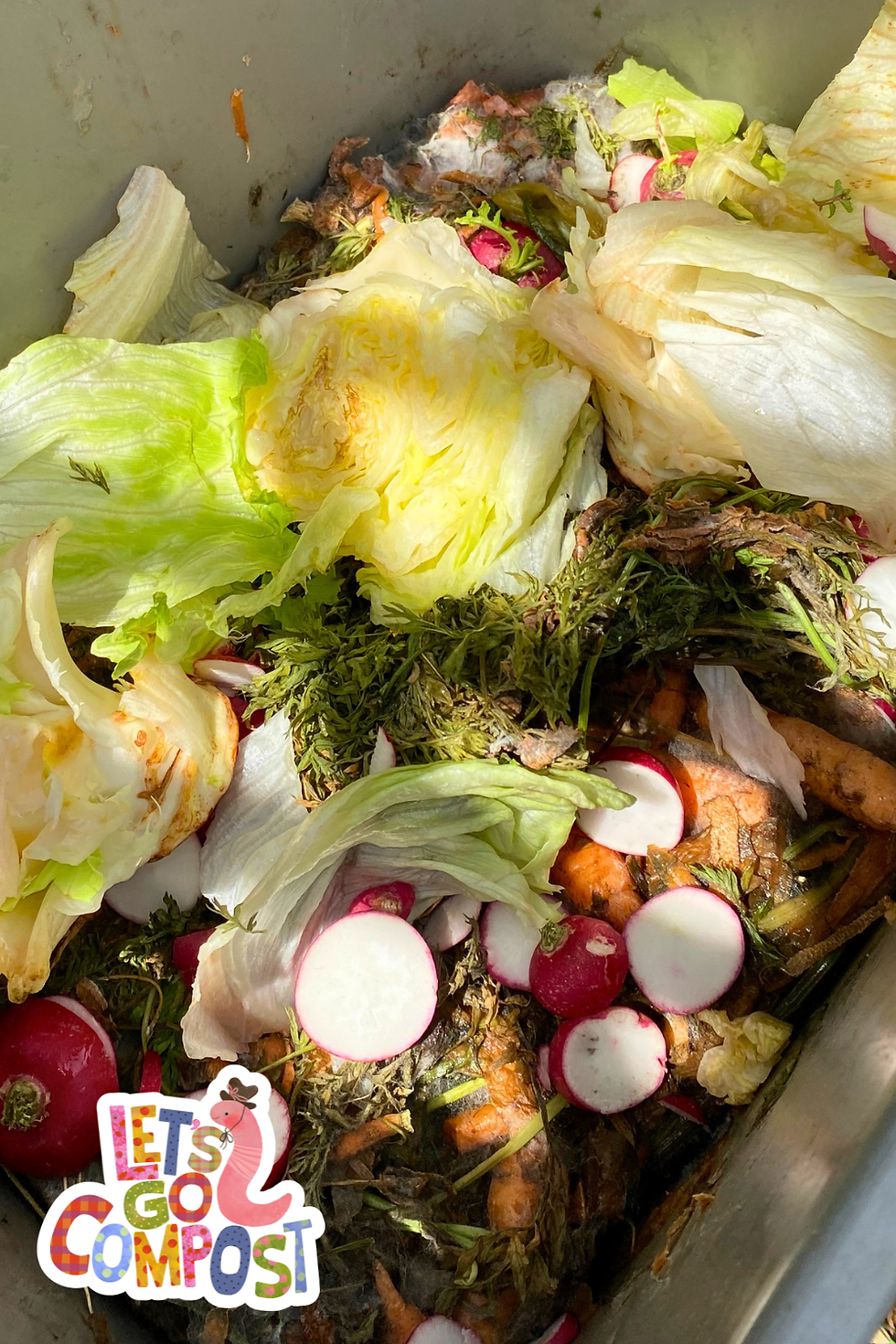
Every banana peel, coffee ground, lettuce leaf, or vegetable scrap added to a compost system becomes food for billions of microorganisms. Rather than producing methane in a landfill, those materials are transformed into finished compost that enriches gardens, landscapes, and agricultural soils. This creates a continuous cycle in which food scraps become compost, compost supports healthy microbial communities, healthy microbes build productive soils, and healthy soils grow the next generation of plants. Schools, community gardens, libraries, neighborhoods, and households all have the opportunity to participate in this natural system.
Recognizing Healthy Soil Biology
Healthy soils often reveal themselves through several visible signs. Rich, dark color, a crumbly texture, abundant earthworms, decaying organic matter, and visible fungal threads all suggest active biological life beneath the surface. Plants growing in biologically healthy soil typically develop stronger root systems, grow more consistently, tolerate drought better, and experience fewer disease problems. Healthy soil also has a fresh, earthy smell, while sour or rotten odors often indicate poor growing conditions or limited oxygen.
Supporting Healthy Soil Microbes
Building healthy soil begins with creating favorable conditions for microbial life. Regular compost applications are one of the most effective ways to introduce beneficial organisms and provide the organic matter they need to thrive. Mulch helps retain moisture, regulate soil temperature, and slowly feeds microbes as it decomposes. Leaving plant roots in the ground after harvest and growing a diverse mix of plants also supports a more resilient soil ecosystem.
At the same time, limiting unnecessary tillage, reducing soil compaction, and avoiding excessive chemical inputs help protect the underground microbial communities that make healthy soils possible. Like any ecosystem, soil biology becomes stronger and more resilient when it experiences minimal disturbance and a consistent supply of organic matter.

Why Understanding Soil Microbes Matters
Whether you're growing flowers or vegetables at home, managing a community compost program, teaching students in a school garden, or simply looking for ways to reduce food waste, soil microbes are responsible for much of the work happening beneath the surface. These microscopic organisms decompose organic matter, recycle nutrients, improve soil structure, support plant health, and connect composting directly to healthier landscapes. Understanding how they function helps gardeners grow stronger plants, helps educators teach ecological systems more effectively, and helps communities turn food scraps into a valuable resource instead of waste.
Healthy soil begins with healthy biology, and healthy biology begins with giving soil microbes the food, moisture, habitat, and organic matter they need to thrive.
About Let’s Go Compost
Let’s Go Compost is a national nonprofit making composting simple, affordable, and accessible. Our programs bring hands-on composting to communities, helping people turn food and plant waste into healthy soil that supports food systems, native plant ecosystems, and pollinators. Learn more at letsgocompost.org and support our work at letsgocompost.org/donate.