


Want Better Vegetables? Use Compost the Right Way
If you are growing vegetables, compost is one of the most effective (and cost-friendly) tools you have in your garden. It improves soil, feeds plants, and reduces the need for synthetic inputs. The mistake most home gardeners make is using too much, using it at the wrong time, or using it incorrectly. Compost works best when it supports the system, not replaces it.
Why Compost Matters for Vegetable Gardens
Vegetables are heavy feeders. They need consistent nutrients, good soil structure, and steady moisture. Compost delivers all three. It adds organic matter, improves water retention, and supports microbial life that makes nutrients available to plants over time.
That said, compost is an amendment, not the entire growing medium. Most vegetables grow best in a mix of existing soil and compost. Using only compost can lead to poor structure, too much moisture retention, or nutrient imbalance. Before planting, mix compost into the top few inches of your garden bed. This improves the soil without overwhelming it.
How Much Compost to Use
Less is more than most people think. A layer of compost mixed into the top 2 to 4 inches of soil is enough for most vegetable beds. For existing gardens, adding compost once or twice a season keeps soil active without overloading it. Too much compost can lead to excessive leaf growth and fewer fruits, especially in crops like tomatoes and peppers.
Use Compost at Planting Time
When planting vegetables, adding a small amount of compost directly into the planting hole gives roots immediate access to nutrients. This helps plants establish faster and reduces transplant shock. For seeds, compost should be mixed into the soil beforehand rather than placed directly on top in thick layers. Fine, finished compost works best for seed starting because it creates good contact between seeds and soil.
Top Dressing: The Easiest Ongoing Method
Once plants are growing, the easiest way to use compost is top dressing. Spread a thin layer around the base of plants and let water carry nutrients down into the soil.
This method feeds plants gradually and supports microbial life without disturbing roots. It also helps retain moisture, which is critical for consistent vegetable growth.
Compost and Mulch Work Together
Compost feeds the soil. Mulch protects it. After adding compost, applying a layer of mulch like straw, leaves, or wood chips helps keep moisture in and temperature stable.
Over time, mulch breaks down and becomes additional organic matter, continuing the cycle.
Avoid These Common Mistakes
Using unfinished compost is one of the biggest problems. If compost is not fully broken down, it can compete with plants for nutrients and slow growth. Finished compost should be dark, crumbly, and earthy. Contamination is another issue. Compost used in vegetable gardens must be clean. Plastics, chemicals, or non-organic materials will carry into your soil and affect what you grow. Overapplication is also common. More compost does not always mean better results. It can create imbalance and reduce yields in some crops.

Compost for Different Vegetables
Leafy greens like lettuce and spinach benefit from steady nitrogen, so compost supports strong leaf growth. Fruiting plants like tomatoes, peppers, and squash need balanced nutrients, so compost should be used in moderation to avoid excessive foliage. Root crops like carrots and radishes prefer loose, well-structured soil. Compost helps improve that structure, but it should be well mixed and not clumpy.
Build a System, Not a One-Time Fix
Compost works best when it becomes part of an ongoing system instead of a single seasonal project. Healthy gardens are built over time through consistent organic matter, stronger soil biology, better moisture retention, and nutrient cycling that improves year after year. Mix compost into soil before planting, add smaller amounts around vegetables during the growing season, and top dress beds between harvests to keep feeding the soil naturally. More compost is not always better. Too much can overwhelm plants, especially in smaller beds or containers. The goal is balance and long-term soil health, not quick fixes.
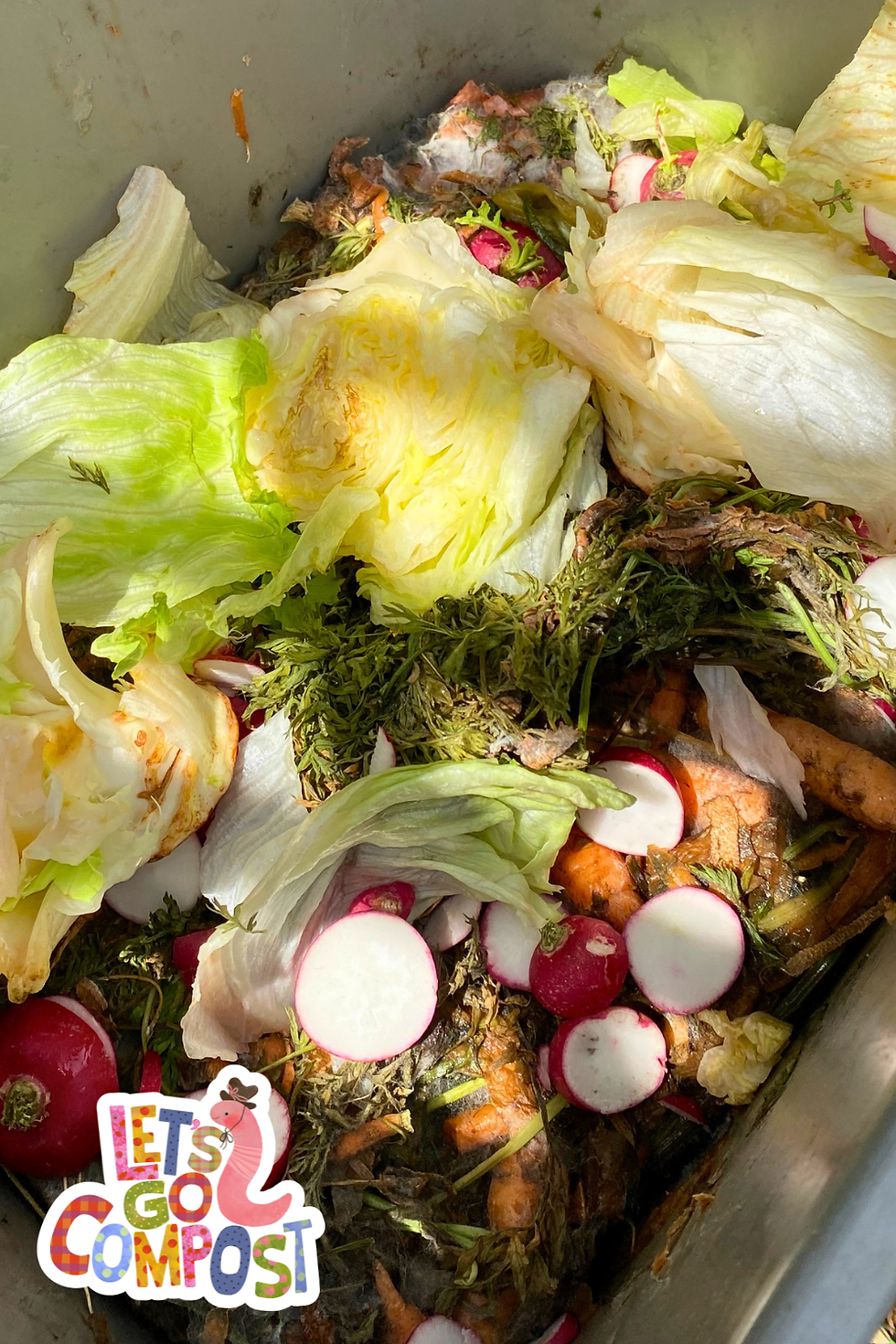
When used consistently, homemade compost helps create a closed-loop growing system. Vegetable scraps, food waste, and yard waste become compost, compost feeds the soil, healthy soil grows stronger plants, and plant material eventually returns back into the compost pile again.
About Let’s Go Compost
Let’s Go Compost is a national nonprofit making composting simple, affordable, and accessible. Our programs bring hands-on composting to communities, helping people turn food and plant waste into healthy soil that supports food systems, native plant ecosystems, and pollinators. Learn more at letsgocompost.org and support our work at letsgocompost.org/donate.


