



Signs Your Soil Needs Organic Matter: A Practical Guide for Gardeners
If your garden soil is hard, dries out quickly, puddles after watering, cracks during hot weather, or struggles to grow healthy plants, low organic matter may be the hidden cause. Organic matter is one of the most important components of healthy soil, influencing water retention, drainage, nutrient availability, earthworm activity, root development, and overall plant health. Unfortunately, many garden beds, lawns, raised beds, and newly developed landscapes contain far less organic matter than they need. In this guide, you'll learn what organic matter is, why it matters, and the 15 most common signs your soil needs more organic matter. You'll also discover how compost improves soil structure, increases water-holding capacity, supports beneficial soil microbes, and helps create healthier, more productive gardens over time.
What Is Organic Matter?
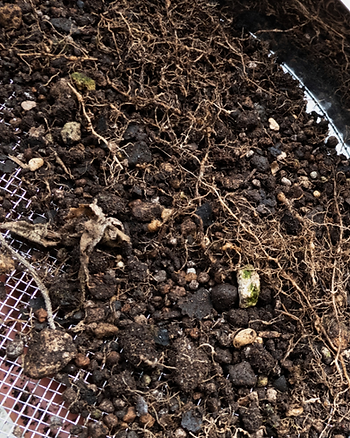
Organic matter consists of materials that were once living and are now decomposing or have fully decomposed. Examples include:
Finished compost
Decomposed leaves
Grass clippings
Plant roots
Wood chips
Aged manure
Worm castings
Soil microorganisms
Partially decomposed plant material
Think of organic matter as the engine that powers healthy soil. Without it, soil becomes harder, less productive, and more difficult to manage.
Why Organic Matter Matters
Organic matter influences nearly every aspect of soil health. It helps soil:
Hold moisture
Drain excess water
Support beneficial microbes
Feed earthworms
Store nutrients
Reduce erosion
Improve root growth
Resist compaction
Healthy soils often contain between 3% and 10% organic matter depending on climate, soil type, and land use. Many urban and suburban soils contain far less.
15 Signs Your Soil Needs Organic Matter
1. Soil Feels Hard Like Concrete
One of the most obvious signs is compacted soil. You may notice:
Difficulty digging
Hard surfaces after rain
Stunted root systems
Poor seed germination
Compacted soils often lack the biological activity needed to create natural soil structure.
2. Water Runs Off Instead of Soaking In
Healthy soil acts like a sponge. Poor soil often causes:
Puddles
Runoff
Erosion
Water waste
Organic matter helps create pore spaces that allow water to infiltrate.
3. Soil Cracks During Dry Weather
Large cracks indicate soil struggles to regulate moisture. This is especially common in clay soils lacking organic matter. You may see:
Deep fissures
Shrinking soil
Exposed roots
Adding compost helps stabilize moisture levels.
4. Plants Need Frequent Watering
If plants wilt shortly after watering, soil may not be retaining moisture effectively.
Organic matter can dramatically improve water-holding capacity. This is especially important in hot climates such as Arizona, Nevada, Texas, and Southern California.
5. Few or No Earthworms
Earthworms are often called nature's soil engineers. A healthy garden soil should occasionally reveal worms when digging. Low worm populations can indicate:
Low organic matter
Poor soil biology
Compaction
Excessive disturbance
6. Plants Grow Slowly Despite Fertilizer
Many gardeners add fertilizer repeatedly without seeing improvement. Fertilizer supplies nutrients. Organic matter improves the system that allows plants to access and retain those nutrients.
7. Soil Looks Pale or Lifeless
Color alone is not a perfect indicator, but it can provide clues. Healthy soils often appear:
Dark brown
Rich black
Crumbly
Poor soils may look:
Gray
Pale
Dusty
Dense
8. Seeds Fail to Germinate Consistently
Seedlings require:
Moisture
Oxygen
Stable temperatures
Poor soil structure can interfere with all three.
9. Soil Forms a Crust
After rain or irrigation, some soils develop a hard surface crust. Organic matter helps break this cycle. This crust:
Prevents water infiltration
Restricts seed emergence
Reduces oxygen movement
10. Excessive Erosion
If soil washes away during storms, organic matter may be lacking. Healthy soil aggregates resist erosion much better than bare mineral soil.
11. Raised Beds Dry Out Extremely Fast
Many raised beds are filled with inexpensive topsoil mixes containing limited organic matter. Symptoms include:
Daily watering requirements
Heat stress
Poor vegetable production
12. Plants Have Weak Root Systems
Low organic matter often creates conditions that restrict root growth. Healthy roots require:
Air
Water
Biological activity
13. Soil Feels Dusty When Dry
Dusty soil often lacks the sponge-like structure organic matter provides. This is common in:
New construction sites
Disturbed landscapes
Heavily tilled gardens
14. Soil Becomes Muddy and Sticky When Wet
Many people assume sticky soil contains lots of organic matter. The opposite is often true. Organic matter helps create better balance. Heavy clay soils frequently become:
Sticky when wet
Brick-like when dry
15. Garden Productivity Declines Every Year
A gradual decline in:
Vegetable yields
Flower production
Plant vigor
often points to declining soil organic matter levels. This is common in gardens where plant material is removed but little is returned.
A Simple Home Test for Organic Matter Problems
The Dig Test
Materials:
Garden trowel
Bucket
Notebook
Steps:
Dig 6 to 8 inches deep.
Examine the soil.
Look for:
Earthworms
Roots
Dark color
Crumbly texture
Squeeze a handful of moist soil.
Healthy soil should:
Hold together lightly
Break apart easily
Feel soft and crumbly
Poor soil often feels:
Dusty
Hard
Sticky
Dense
Common Causes of Low Organic Matter
Excessive Tilling
Frequent tilling accelerates decomposition and destroys soil structure.
Removal of Leaves
Leaves are one of nature's largest sources of organic matter. Removing every leaf each fall removes future soil-building material.
New Construction
Many new developments remove topsoil during grading. The remaining soil often contains very little organic matter.
Bare Soil
Exposed soil loses organic matter faster through erosion and temperature fluctuations.
Lack of Compost Additions
Gardens continuously remove nutrients and organic material through harvests. Without replacement, soil quality declines.
How Compost Solves the Problem
Finished compost adds:
Organic matter
Beneficial microbes
Improved soil structure
Moisture retention
Slow-release nutrients
This is one reason compost is often more valuable long-term than fertilizer alone. Fertilizer feeds plants. Compost helps rebuild the soil that supports those plants.
How Much Compost Should You Add?
Vegetable Gardens: Apply 1 to 2 inches annually into the top few inches of soil or use as mulch.
Raised Beds: Apply1 to 3 inches annually
Lawns: Apply ¼ to ½ inch topdressing
Common Mistakes
Adding Unfinished Compost
Immature compost can:
Compete with plants for nitrogen
Introduce weed seeds
Create odor issues
Using Compost as the Entire Growing Medium
Most plants perform best when compost is mixed with existing soil.
Expecting Immediate Results
Organic matter improves soil over months and years. Most gardeners notice improvements after one growing season. Major changes often take several seasons.
Ignoring Mulch
Organic matter additions work best when paired with mulch to protect soil.
Troubleshooting Guide
Compost Doesn't Seem to Help
Possible causes:
Soil is severely compacted
Insufficient compost applied
Poor drainage issues
Soil contamination
Extremely low biological activity
Soil Dries Out Quickly After Compost Application
Possible causes:
Compost layer too thin
Lack of mulch
High temperatures
Newly established beds
Plants Remain Yellow
Organic matter improves many conditions but does not solve every plant problem. Possible causes of yellow plant leaves include:
Nutrient deficiencies
pH imbalance
Overwatering
Root diseases

School and Educational Applications
Soil Health Investigations
Students can compare:
Compost-amended soil
Untreated soil
Measurements can include:
Water retention
Earthworm counts
Plant growth
Soil temperature
Composting Programs
Food scraps from:
Cafeterias
Classrooms
Gardens
can become compost that helps restore organic matter in school gardens.
Students see a complete circular system: Food → Food Scraps → Compost → Healthy Soil → Food
This creates a tangible connection between waste reduction and soil health.
Cost Expectations
DIY Composting
Typical costs:
Backyard pile: $0–$50
Basic compost bin: $50–$200
Purchased Compost
Typical costs:
Bagged compost: $5–$15 per bag
Bulk compost: $30–$80 per cubic yard
Prices vary by region and quality.
Safety Considerations
When handling soil or compost:
Wash hands afterward.
Wear gloves if preferred.
Avoid breathing dust from dry materials.
Supervise young children during digging activities.
Use mature compost around edible crops.
Individuals with compromised immune systems should consult healthcare professionals before handling compost or soil extensively.
Frequently Asked Questions
What is the fastest sign that soil lacks organic matter?
Compaction, poor water infiltration, and low earthworm activity are often the earliest indicators.
Can fertilizer replace organic matter?
No. Fertilizer provides nutrients. Organic matter improves the soil's ability to store water, support microbes, and retain nutrients.
How long does it take to improve soil organic matter?
Most gardeners see noticeable improvements within one growing season. Significant improvements often occur over several years of consistent compost applications.
Can sandy soil need organic matter?
Yes. Sandy soils often drain too quickly and benefit greatly from compost additions.
Can clay soil need organic matter?
Absolutely. Organic matter helps clay soils develop better structure, drainage, and root penetration.
Building Healthier Soil Over Time
If your soil is hard, dries out quickly, lacks earthworms, forms crusts, or struggles to support healthy plant growth, low organic matter may be the underlying issue. The good news is that soil can improve. Consistent additions of compost, leaves, mulch, and other organic materials help rebuild soil structure, increase water-holding capacity, support beneficial organisms, and create better growing conditions over time. Whether you manage a backyard garden, a school garden, a community plot, or a landscape bed, increasing organic matter is one of the most effective long-term investments you can make in soil health.
About Let’s Go Compost
Let’s Go Compost is a national nonprofit making composting simple, affordable, and accessible. Our programs bring hands-on composting to communities, helping people turn food and plant waste into healthy soil that supports food systems, native plant ecosystems, and pollinators. Learn more at letsgocompost.org and support our work at letsgocompost.org/donate.


