



How Long Do Composting Worms Live? Red Wigglers, Vermicomposting, and Worm Bin Longevity
Red wigglers, the most common worms used in vermicomposting, typically live around 2 to 5 years in a healthy worm bin. In stable indoor composting systems, some may survive even longer. The species most commonly used for worm composting is Eisenia fetida, also called red wigglers, tiger worms, or manure worms. These worms thrive in rich organic material and reproduce quickly in controlled composting environments.
European nightcrawlers are also used in some composting systems. They tend to grow larger but generally reproduce more slowly and are often less efficient in compact indoor bins compared to red wigglers. A properly managed vermicomposting system can operate continuously for years because the worm population naturally replaces itself over time.

How Long Do Worms Live?
Worm lifespan depends almost entirely on environmental conditions. Composting worms breathe through their skin, which means moisture levels are critical. Bedding should feel similar to a wrung-out sponge: damp, breathable, and fluffy. If the bin dries out, worms can die quickly. If the system becomes waterlogged, oxygen levels drop and worms may suffocate or attempt to escape.
Worm Bin Temperature Matters More Than Most People Realize
Red wigglers perform best between roughly 55°F and 77°F, though they can tolerate wider ranges for short periods. Temperatures approaching 85°F to 90°F can become fatal, especially in poorly ventilated bins. This is why most successful worm composting systems are:
Indoors
In cooled garages or shaded areas
Protected from freezing temperatures
Kept out of direct summer sun
Outdoor bins can absolutely work, but they need insulation, airflow, and protection from extreme weather.
Worm Bin Food Balance and Feeding Habits
Overfeeding is one of the most common causes of worm bin failure. When excess food accumulates faster than worms and microbes can process it, the system can become acidic, anaerobic, and unstable. This leads to odors, pests, overheating, and stressed worms. Healthy worm bins rely on a proper balance of:
Food scraps
Carbon-rich bedding like shredded cardboard or paper
Oxygen flow
Consistent moisture
Underfeeding is usually far less harmful than overfeeding.
Why Worm Population Growth Matters More Than Individual Worm Lifespan
The real strength of vermicomposting is population growth. Healthy red wigglers reproduce rapidly under stable conditions. Research and extension programs commonly note that populations can double within a few months under ideal conditions. Each mature worm produces cocoons that hatch multiple baby worms. In stable systems, this creates a self-sustaining cycle where older worms are continually replaced with younger worms. That means successful composting is about managing an ecosystem, not individual worms. A healthy worm bin should become a living biological system that stabilizes itself over time.
What Happens When Composting Worms Die?
In healthy vermicomposting systems, occasional worm death is normal. Dead worms decompose naturally and become part of the compost itself. Most worm bin owners never notice individual worm losses because the surrounding microbial ecosystem breaks everything down quickly. However, large die-offs usually signal a system imbalance. Common causes include:
Excessive heat
Freezing temperatures
Dry bedding
Oversaturated bins
Lack of oxygen
Overfeeding
Chemical contamination
Pesticide residues
Salty, acidic, or heavily processed foods
If many worms suddenly die or attempt to escape the bin at once, environmental stress is almost always the cause.
How to Help Composting Worms Live Longer
1. Maintain Proper Moisture
Keep bedding consistently damp but never soaked.
2. Protect Worms From Temperature Extremes
Avoid direct sun, freezing conditions, and hot garages or patios.
3. Feed Smaller Amounts More Consistently
Add food gradually instead of dumping large quantities all at once.
4. Add Carbon Bedding Regularly
Shredded cardboard, paper, and dry leaves help regulate moisture and airflow.
5. Bury Food Scraps
This reduces odors, fruit flies, and surface mold growth.
6. Avoid Contaminants
Do not add:
Plastics
Chemicals
Treated wood
Excess oils
Large amounts of meat, citrus, oil, or dairy
7. Maintain Oxygen Flow
Worm composting is an aerobic process. Compacted, wet bins without airflow become unhealthy quickly.
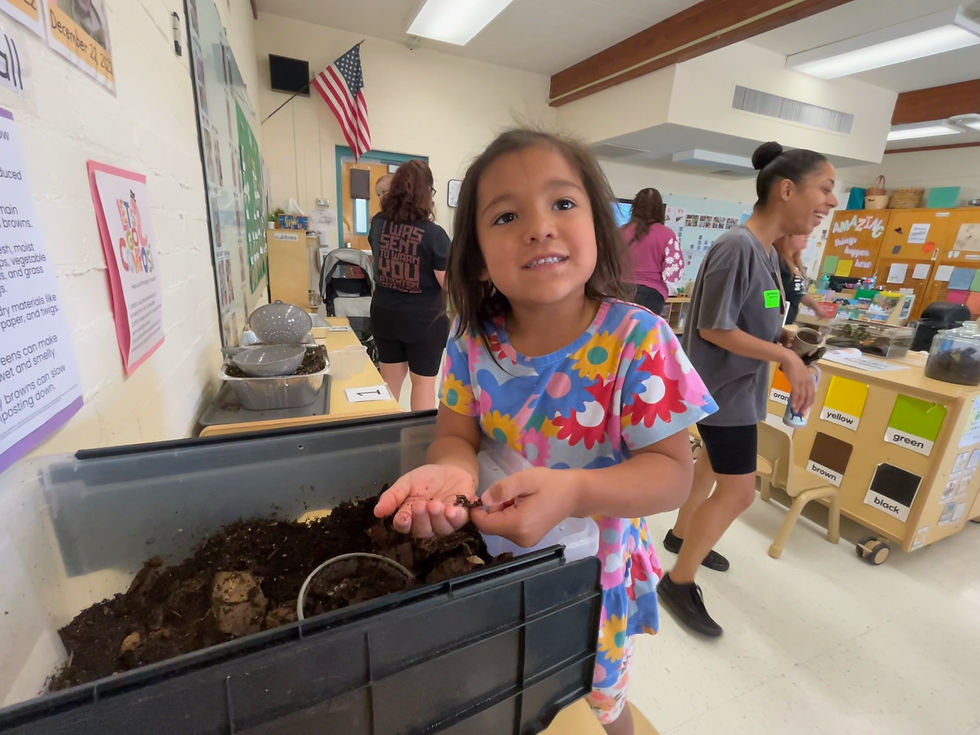
Can a Worm Bin Last Forever?
A properly maintained worm composting system can function indefinitely. You may occasionally refresh bedding, harvest castings, or rebalance moisture, but the biological system itself can continue operating year after year without needing a full restart. This is one reason vermicomposting works so well in:
Homes
Apartments
Schools
Libraries
Community gardens
Environmental education programs
Worm bins are small-scale examples of circular systems in action. Food scraps become nutrient-rich compost, which supports healthier soil, gardens, pollinator habitats, and food production.
Vermicomposting and Soil Health
Vermicomposting does more than reduce food waste. Worm castings improve:
Soil structure
Water retention
Microbial diversity
Plant health
Nutrient availability
About Let’s Go Compost
Let’s Go Compost is a national nonprofit making composting simple, affordable, and accessible. Our programs bring hands-on composting to communities, helping people turn food and plant waste into healthy soil that supports food systems, native plant ecosystems, and pollinators. Learn more at letsgocompost.org and support our work at letsgocompost.org/donate.


