



Healthy Soil: What It Really Means for Vegetable Gardens, Native Plants, and Pollinator Habitats
Healthy soil is the foundation of every successful garden, but "healthy" doesn't mean the same thing everywhere! Many people describe healthy soil as dark, rich, nutrient-dense soil full of organic matter. While that's excellent for growing tomatoes, lettuce, peppers, and many other vegetables, it's not the ideal soil for every plant.
In fact, some native plants evolved in rocky deserts, sandy coastlines, nutrient-poor prairies, or mountain slopes where rich, compost-heavy soil would actually make them less healthy. So what does healthy soil really mean? The answer depends on what you're growing and where those plants naturally evolved.

Whether you're planting a vegetable garden, creating a pollinator habitat, restoring native landscaping, or simply trying to improve your yard, understanding your soil is one of the most valuable things you can do.
What Is Healthy Soil?
Healthy soil is more than dirt. It's a living ecosystem made up of minerals, organic matter, water, air, plant roots, fungi, bacteria, insects, earthworms, and countless microscopic organisms working together. These organisms:
Break down organic matter
Recycle nutrients
Build soil structure
Help plants absorb water
Improve root growth
Store carbon
Reduce erosion
A single teaspoon of healthy soil can contain billions of microorganisms that keep the entire system functioning. But here's the important part: Healthy soil isn't defined by how dark or fertile it is. Healthy soil is soil that naturally supports the plants and ecosystem it's meant to sustain.
Healthy Soil Looks Different Around the World
One of the biggest misconceptions in gardening is that every landscape should have rich black soil. That's true for many vegetable gardens, but it's often not true for native landscapes.
Every ecosystem has developed its own unique soils over thousands of years. For example:
Desert ecosystems naturally have rocky, fast-draining soils with relatively little organic matter.
Prairie ecosystems often have deep soils rich in biological activity from generations of decaying grass roots.
Forests naturally build thick layers of leaves and decomposing organic matter.
Coastal dunes contain sandy soils that drain rapidly.
Wetlands have saturated soils unlike almost any other environment.
Each of these soils can be healthy because they're supporting the plants that evolved there. Instead of trying to make every landscape look like a vegetable garden, the goal is to understand what your plants naturally need.
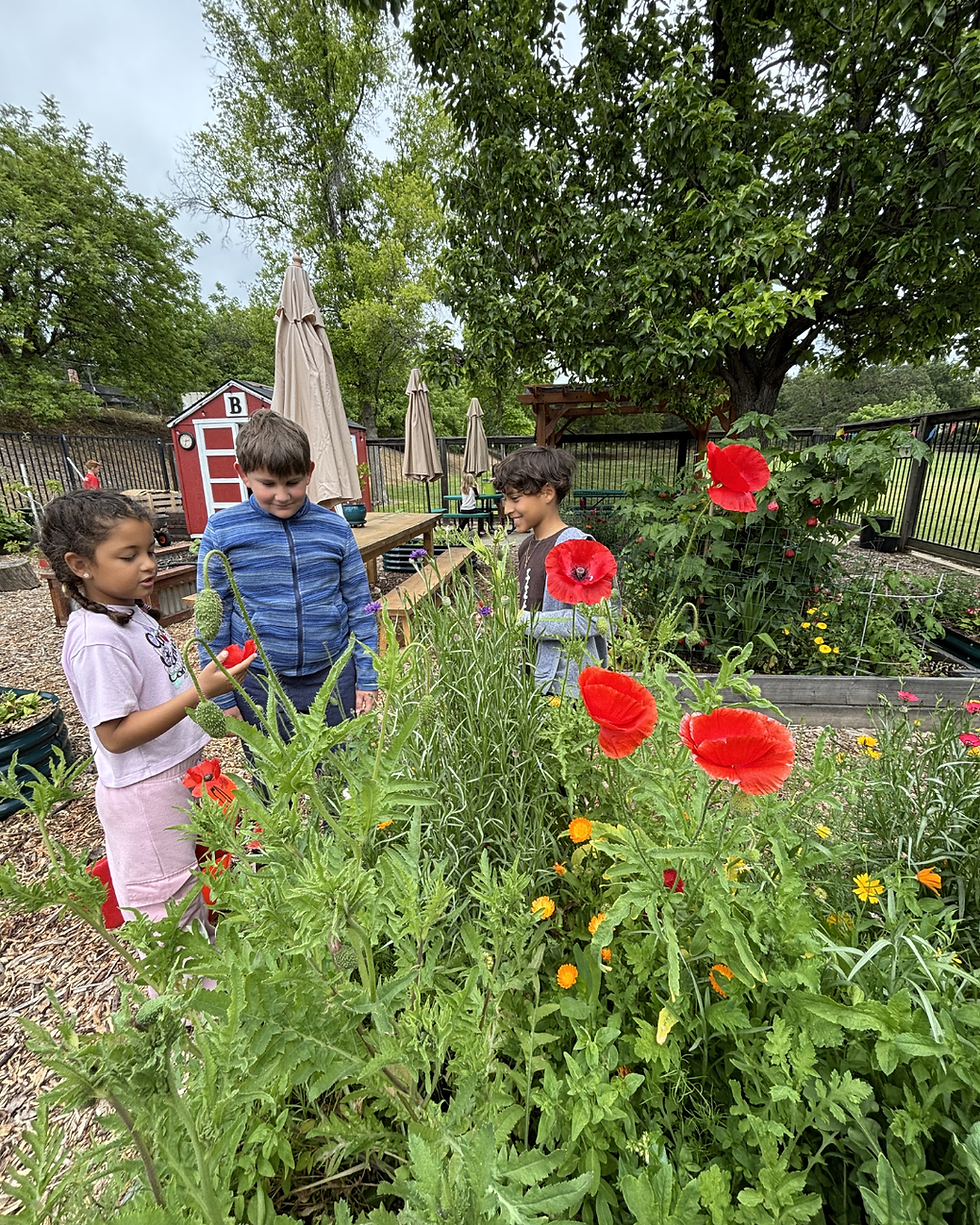
Healthy Soil for Vegetable Gardens
If your goal is growing fruits and vegetables, healthy soil is usually rich in organic matter and biological activity. Vegetable gardens benefit from soil that:
Holds moisture without becoming waterlogged
Drains well
Contains abundant organic matter
Supports worms and beneficial microbes
Provides a steady supply of nutrients
This is why compost is considered one of the best amendments for food gardens. Adding finished compost improves soil structure, increases microbial activity, helps retain moisture, and slowly releases nutrients that vegetables need throughout the growing season. Most vegetable gardens benefit from adding one to two inches of compost each year.
Healthy Soil for Native Plants
Native plants are different. They evolved in the soils naturally found within their region, and those soils vary tremendously across North America. A native cactus in Arizona has very different soil requirements than a woodland fern in Pennsylvania or a prairie wildflower in Kansas.
Some native plants thrive in soils that contain relatively little organic matter. Others naturally grow in rich forest soils built from decades of fallen leaves. Because of this, adding large amounts of compost isn't always beneficial. In some cases, rich soil can encourage excessive leafy growth, weaker stems, fewer flowers, lower drought tolerance, or increased competition from weeds.
Instead of asking: "Do native plants need compost?" Ask: "What kind of soil did these plants naturally evolve in?" Matching those natural conditions usually produces the healthiest plants.
Healthy Soil for Pollinator Gardens
Pollinator gardens often combine native flowers, grasses, shrubs, and other plants that provide nectar, pollen, seeds, and shelter for wildlife. Like native landscapes, pollinator gardens don't necessarily need rich garden soil everywhere. The best soil depends on the species you're planting.
However, compost can be extremely helpful when establishing new pollinator gardens on compacted lawns, construction-disturbed lots, or soils that have been depleted over time. In these situations, compost improves soil structure and helps young plants establish strong root systems without dramatically changing the character of the landscape.
Signs of Healthy Soil
Healthy soil doesn't always look the same, but it usually functions well. Good soil often:
Allows roots to grow easily
Absorbs rainfall instead of creating runoff
Supports insects, fungi, and earthworms
Holds enough moisture for plants without staying saturated
Resists erosion
Produces vigorous, appropriately sized plants for that ecosystem
Healthy soil should support the plants that belong there, not force them to adapt to something entirely different.
Signs Your Soil May Need Improvement
Many landscapes have been altered through construction, grading, or years of intensive lawn management. Common signs of unhealthy soil include:
Water pooling after rain
Hard, compacted ground
Excessive runoff
Very poor drainage
Sparse earthworms
Weak plant growth
Severe erosion
Difficulty digging
Fortunately, these problems can often be improved over time.
How Compost Improves Soil
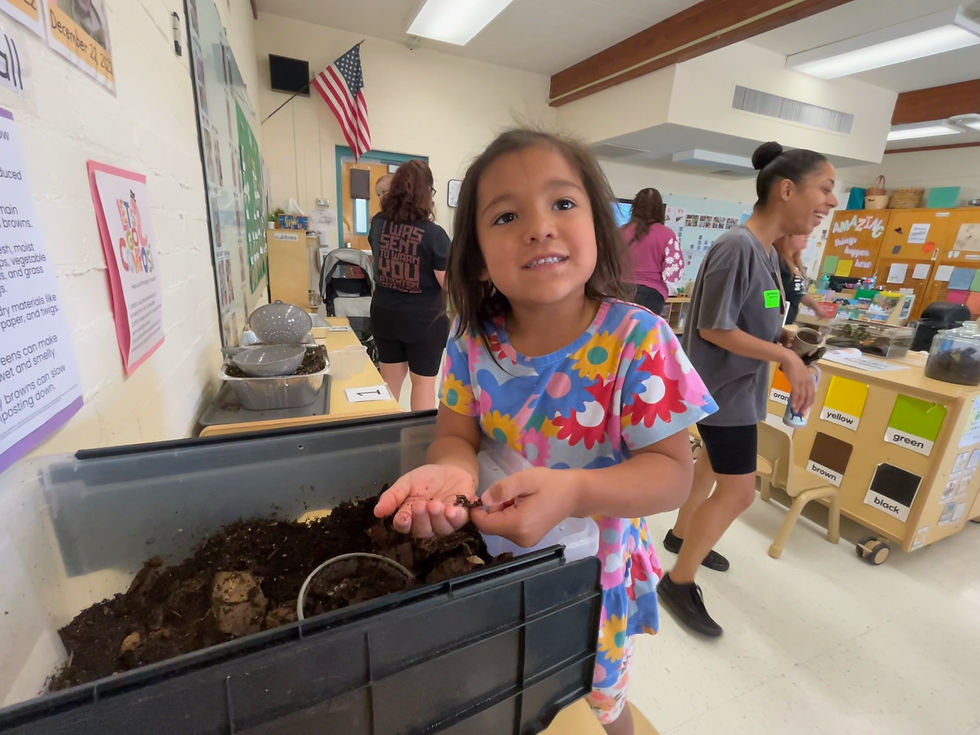
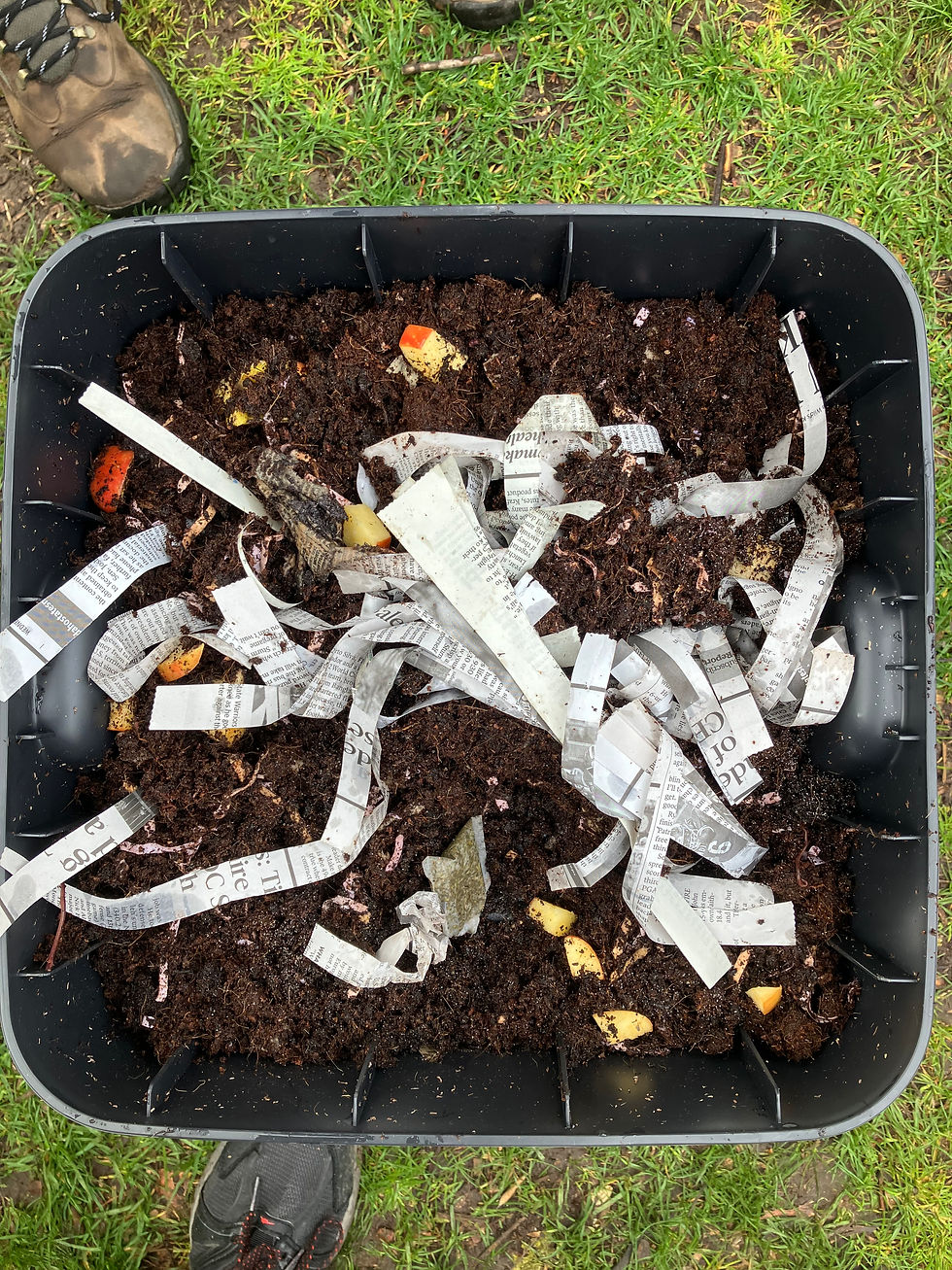
Compost is one of the most effective tools for restoring degraded soil. Unlike fertilizer, which primarily feeds plants, compost feeds the soil ecosystem itself. Finished compost can:
Increase organic matter
Improve soil structure
Support beneficial bacteria and fungi
Help sandy soils retain moisture
Improve drainage in some clay soils
Reduce erosion
Increase biological activity
The key is using compost where it makes sense. A vegetable garden may benefit from regular compost additions, while a mature native desert landscape may require very little.
Other Ways to Build Healthy Soil
Healthy soil develops through long-term stewardship, not a single product. You can improve soil health by:
Adding finished compost when appropriate
Leaving roots in the soil after harvest
Mulching exposed soil
Reducing unnecessary tilling
Growing a diversity of plants
Planting cover crops in vegetable gardens
Protecting soil from erosion
These practices encourage healthy biological activity and improve soil structure over time.
How Long Does It Take to Improve Soil?
Healthy soil isn't built overnight. You may notice:
Better moisture retention within a few months
Increased earthworm activity during the first growing season
Improved soil structure after one to three years
Significant biological improvements over many years
Every season spent caring for the soil builds upon the last.
Frequently Asked Questions
Is dark soil always healthy?
No. While many fertile garden soils are dark because they contain abundant organic matter, some healthy native soils are naturally sandy, rocky, or lighter in color.
Is compost good for every garden?
Compost benefits many gardens, especially vegetable beds and degraded soils. However, some native plants evolved in soils with relatively little organic matter, so compost should be used thoughtfully rather than automatically.
Can clay soil be healthy?
Absolutely. Clay soils often become highly productive when their structure improves through organic matter and careful management.
What's the difference between fertile soil and healthy soil?
Fertile soil contains nutrients that plants can use. Healthy soil goes further. It has good structure, active biological communities, proper water movement, and functions as a living ecosystem. A soil can be fertile but unhealthy if it's compacted, poorly drained, or biologically inactive.
Healthy Soil Starts With Understanding Your Landscape
There's no single recipe for healthy soil because there's no single type of healthy landscape. A thriving vegetable garden, a native pollinator habitat, and a desert restoration project all have different goals and their soils should reflect those differences.
Rather than trying to make every soil darker, richer, or more fertile, focus on building soil that supports the plants you're growing. Improve damaged soils where needed, add compost thoughtfully, and work with your local ecosystem instead of against it.
Healthy soil isn't about making every landscape look the same. It's about creating the right conditions for life to thrive, whether you're harvesting tomatoes, restoring native wildflowers, or providing habitat for bees, butterflies, birds, and countless other species.
About Let’s Go Compost
Let’s Go Compost is a national nonprofit making composting simple, affordable, and accessible. Our programs bring hands-on composting to communities, helping people turn food and plant waste into healthy soil that supports food systems, native plant ecosystems, and pollinators. Learn more at letsgocompost.org and support our work at letsgocompost.org/donate.


