Earth Day Compost and Food Waste Activities for Kids
Simple, hands-on ways to teach composting at home or in the classroom
Why Composting for Earth Day?
Earth Day is the perfect time to show kids where food waste goes and how it can turn into something useful. Composting is easy to understand, hands-on, and connects directly to science, nature, and everyday life. Here are a few kid-friendly compost activities to celebrate the day!
1. Build a Mini Worm Bin (2-Bucket System)
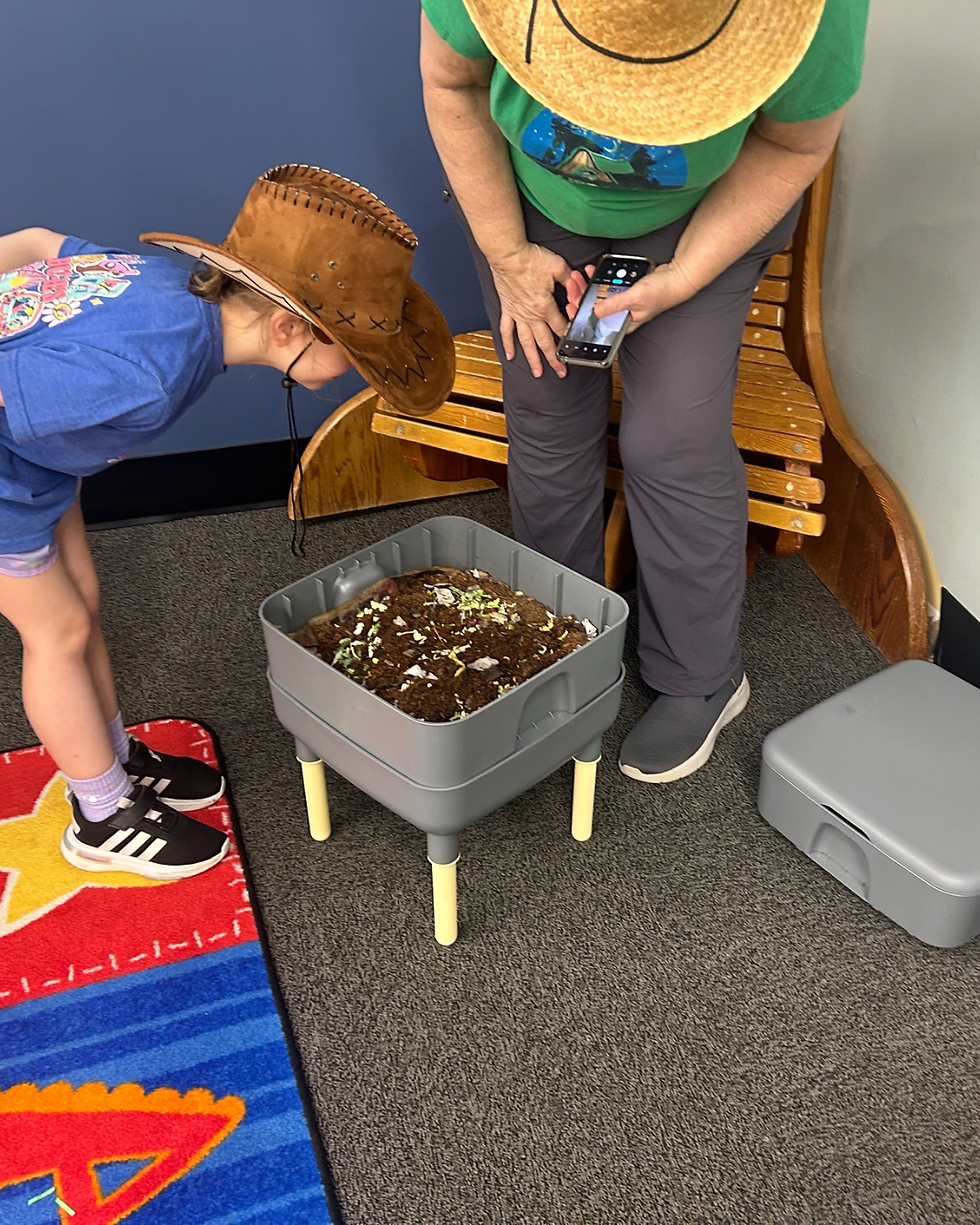
A simple two-bucket worm bin is one of the most reliable ways to compost indoors without mess or odor. You will need two food-safe 5-gallon buckets. One bucket will hold the worms and food, and the second will catch any excess liquid.
Start by drilling small holes across the bottom of one bucket and a few around the upper sides for airflow. This is your top bucket. Leave the second bucket without holes, this will sit underneath to collect moisture. Place the drilled bucket inside the solid bucket so it nests securely.
Add a thick layer of shredded paper or cardboard into the top bucket, then lightly dampen it until it feels like a wrung-out sponge. Place your red wiggler worms on top and let them burrow down into the bedding. Put the lid on loosely or drill a few holes in it for airflow.
Begin feeding small amounts of food scraps like fruit and vegetable peels. Always bury scraps under the bedding to control smell and prevent pests. Keep the bin indoors, out of direct sunlight, and check it every few days. If the bedding looks dry, lightly mist it. If food is not breaking down, reduce how much you are adding.
Over time, liquid may collect in the bottom bucket, empty it as needed. As the system matures, kids will be able to see how worms convert food waste into nutrient-rich compost while learning responsibility and basic environmental science.

2. Food Waste Sorting Game
This activity builds a clear understanding of what belongs in compost and what does not. Gather a mix of common household items like a banana peel, apple core, paper towel, plastic wrapper, and maybe a coffee filter. Set up two bins or areas labeled “Compost” and “Trash.”
Have kids pick up each item and decide where it goes. After each choice, explain why it is correct or not. Compost items are typically food scraps and natural materials, while plastic, metal, and heavily processed items go in the trash. You can repeat the game with new items to reinforce learning. This helps kids quickly understand contamination, which is one of the biggest problems in real compost systems.
3. Start a Native Pollinator Garden with Compost
This connects composting to something visible and rewarding. Start with a pot, raised bed, or small patch of soil. Mix finished compost into the soil, about one part compost to two parts soil, to improve nutrients and structure. Choose native, pollinator-friendly seeds or plants suited to your area, then plant them according to the instructions on the seed packet. Water regularly and place in a sunny location.
As plants grow, explain that the compost came from food scraps and is now helping new life grow. This closes the loop in a way kids can see. Over time, they will also notice bees, butterflies, and other pollinators visiting the plants. Kids learn that compost supports plant growth and that food waste can directly contribute to a healthier ecosystem.

4. Nature Walk to See Local Decomposers
Take kids outside to observe composting already happening in nature. Walk through a yard, park, or school space and look for signs of decomposition. Turn over leaves or gently move sticks to find worms, insects, and fungi. Point out how leaves break down into soil over time.
You can collect a few natural items like leaves, grass, or small twigs and talk about how these would break down in a compost system. Keep the focus on observation rather than collecting large amounts. This helps kids understand that composting is not a new idea, it is a natural process happening everywhere.
5. Food Waste Audit
This is a simple way to build awareness before starting composting. Place a small, sealed container in the freezer and add food scraps throughout the week instead of throwing them away. At the end of the week, take everything out and review what was collected.
Sort the scraps into categories like fruits, vegetables, and leftovers, and talk about what could have been composted. You can also estimate how much waste was diverted from the trash.
This activity makes food waste visible and helps kids understand how much they generate in a normal week. It is often the first step toward building a consistent composting habit.
Common Questions from Kids
“Will it smell?”
No, when done right compost should smell like soil, not trash.
“Are worms gross?”
They are actually helpful and safe to handle with supervision.
“Why does this matter?”
Food waste in landfills creates harmful gases. Composting turns it into something useful instead!
Keep It Simple
You do not need a big setup or perfect system! One small activity can make the concept stick. Focus on hands-on learning, keep it visual, and let kids see the process.
That is what makes composting click!
About Let’s Go Compost
Let’s Go Compost is a national nonprofit making composting simple, affordable, and accessible. Our programs bring hands-on composting to communities, helping people turn food and plant waste into healthy soil that supports food systems, native plant ecosystems, and pollinators. Learn more at letsgocompost.org and support our work at letsgocompost.org/donate.