



Nature's Decomposers in Your Garden: Build Healthy Soil and Boost Plant Growth Naturally
Healthy soil does not happen on its own! It is built, maintained, and constantly regenerated through the work of natural decomposers. These organisms take what most people see as waste and turn it into nutrients that feed plants, support water retention, and strengthen entire ecosystems. If you care about your garden, understanding decomposers is one of the most practical and grounded steps you can take.

What Are Natural Decomposers
Natural decomposers are living organisms that break down organic matter like food scraps, leaves, and plant debris into simpler compounds. Decomposition returns nutrients to the soil in a form plants can actually use.
Without decomposers, natural systems would stop functioning. Every leaf, food scrap, root, bone, animal, person, and plant that dies would remain in place instead of breaking down. Over time, that material would build up layer after layer, locking away nutrients like nitrogen, phosphorus, and carbon that plants depend on to grow. Instead of being recycled back into the soil, those nutrients would stay trapped in undecomposed matter, making them unavailable to new plant life.
Soil would quickly lose its fertility because it is not just dirt, it is a living system. Decomposers are what convert organic material into usable forms like humus, which improves structure, holds moisture, and feeds plant roots. Without that constant conversion, soil becomes compacted, dry, and biologically inactive. Plants growing in that environment struggle to access nutrients and water, leading to weaker growth, lower yields, and increased vulnerability to stress.
At a larger scale, entire plant systems begin to break down. Forests, gardens, and agricultural land all rely on continuous nutrient cycling. When that cycle stops, new growth cannot keep up with natural loss. Over time, productivity declines, biodiversity drops, and ecosystems lose their ability to sustain themselves. What looks like simple decay is actually one of the most important processes keeping landscapes alive and productive!
There are three main groups of decomposers working together in nature:
Microorganisms like bacteria and fungi: These are the primary drivers of decomposition. They break down materials at the chemical level and are responsible for most nutrient cycling.
Invertebrates like worms, beetles, and insects: These organisms physically break down material into smaller pieces, increasing surface area so microbes can do their job faster.
Fungi networks: As fungi break down tough organic materials like wood, stems, and dry leaves, they release nutrients into the soil. Those same fungi then extend underground networks that connect plant roots, moving the nutrients they helped create directly through the soil system.
Worms Are Decomposers
Worms are one of the most visible and effective decomposers in any garden. As they consume organic material, they produce castings (AKA, worm poop), which are nutrient-dense, biologically active, and improve soil structure.
Their movement through soil creates natural aeration, allowing water and oxygen to reach plant roots. In controlled systems, like vermicomposting, worms can process food scraps quickly and consistently, making them one of the most accessible tools for gardeners. If your soil has worms, you are usually on the right track, but it is worth understanding that not all worms behave the same.

Different Types of Worms, Different Roles
Not all worms live or function in the same part of the soil system. A healthy garden often has a mix of worm species working together, even if you do not see all of them. There are three main categories of worm species:
Surface dwellers (like red wigglers): These worms live in the top layer of organic material. They are the workhorses of composting systems and thrive in bins and piles. They break down food scraps quickly and are ideal for human-managed systems.
Topsoil dwellers (like garden worms): These worms move through the upper layers of soil, mixing organic matter into the ground. They support both decomposition and soil structure.
Deep burrowers (like nightcrawlers): These worms create vertical tunnels deep into the soil. They are critical for long-term aeration and water movement, helping roots grow deeper and access more stable moisture.
Human-Controlled vs Natural Systems
In a controlled system, like a worm bin, you are creating ideal conditions for a specific type of worm, usually red wigglers. You control the food, moisture, and environment. Scraps go in, worm castings come out, and the system stays contained and predictable.
In a natural system, worms are part of a much larger ecosystem. They respond to weather, soil conditions, predators, and available organic matter. You are not controlling them. You are supporting them through practices like adding compost, reducing soil disturbance, and maintaining ground cover. Both systems matter. Controlled systems are a reliable way to reduce bulk human-made food and plant waste, but natural systems are what sustain long-term soil health at scale.
Invasive Worms
Some worm species are invasive and can disrupt ecosystems instead of supporting them. A well-known example is jumping worms (also called crazy worms). These worms consume organic matter extremely fast, stripping the soil of the slow-release layer that plants depend on. Instead of building rich soil, they leave behind a loose, grainy material that does not hold water or nutrients well.
In forests, invasive worms can remove the leaf litter layer entirely, which harms native plants, insects, and soil stability. To avoid this, do not move soil, mulch, or plants between locations without checking them, source compost and worms from trusted suppliers, and watch for signs like loose, grainy soil or aggressive worm activity so you can act early.
Just as important, never release worms from a compost bin into natural areas. Even common composting worms like red wigglers are not native everywhere, and introducing them can shift soil systems in ways that are difficult to reverse. If you no longer need a worm bin, the responsible approach is to give worms to another gardener, use them in a contained compost system, or follow local guidance for disposal. Treat them as a managed system, not something to “return” to the wild.
If you are using an in-ground worm composting bin, placement and containment matter. Install bins in controlled garden spaces, not near natural or undisturbed areas. Use a solid-sided container with small, drilled holes that allow airflow and limited soil contact while preventing large-scale movement. Avoid open-bottom pits that allow worms to freely migrate beyond the intended area. Keep inputs consistent and appropriate, and monitor the surrounding soil to make sure worms are not spreading beyond the system.

Fungi: A Hidden Network of Decomposition
Fungi are critical to long-term soil health. They break down tougher materials like wood chips, stems, and dry leaves that bacteria cannot easily process. More importantly, fungal networks move nutrients through the soil and connect plant root systems. This creates a more resilient and efficient garden, especially in low-input and regenerative systems.
In your garden, fungi show up in different forms depending on conditions. You might see mushrooms after rain, which are the visible fruiting bodies of a much larger underground network. White, thread-like mycelium often appears in mulch or compost and is a strong sign of active decomposition. Molds can develop on food scraps or damp organic material, helping break things down quickly. You may also encounter mycorrhizal fungi, which live directly on plant roots and form partnerships that improve nutrient and water uptake, even though they are not usually visible.
Decomposing Insects and Soil Life
Insects and small soil organisms play a supporting role that is just as important. Beetles, pill bugs, ants, and other invertebrates shred organic material and mix it into the soil, breaking larger pieces into smaller fragments that microbes and fungi can process more efficiently. Another key decomposer is the black soldier fly, whose larvae rapidly break down food scraps and high-nitrogen waste, making them one of the most efficient decomposers in warm climates.

Different groups of insects contribute to decomposition in different ways. Detritivores like pill bugs, springtails, and certain beetles feed directly on decaying material, accelerating physical breakdown. Predatory insects, like ground beetles, help regulate populations of other soil organisms, contributing to overall ecosystem balance. Ants and termites move organic material through the soil and can improve aeration and water movement, though their impact varies depending on species and environment.
You may not always notice them, but their activity shows up in soil structure. Healthy soil tends to be loose and aggregated, with organic matter gradually incorporated rather than sitting on the surface. These organisms operate at a small scale, but they are essential to keeping decomposition moving. Without them, the process slows, and nutrient cycling becomes less efficient over time.
Why Decomposers Matter for Your Garden
When decomposers are active and supported, your garden becomes more efficient and less dependent on outside inputs. You will see:
Stronger plant growth from natural nutrient cycling
Better soil structure and water retention
Reduced need for synthetic fertilizers
Less waste leaving your home
How to Support Natural Decomposers in Your Garden
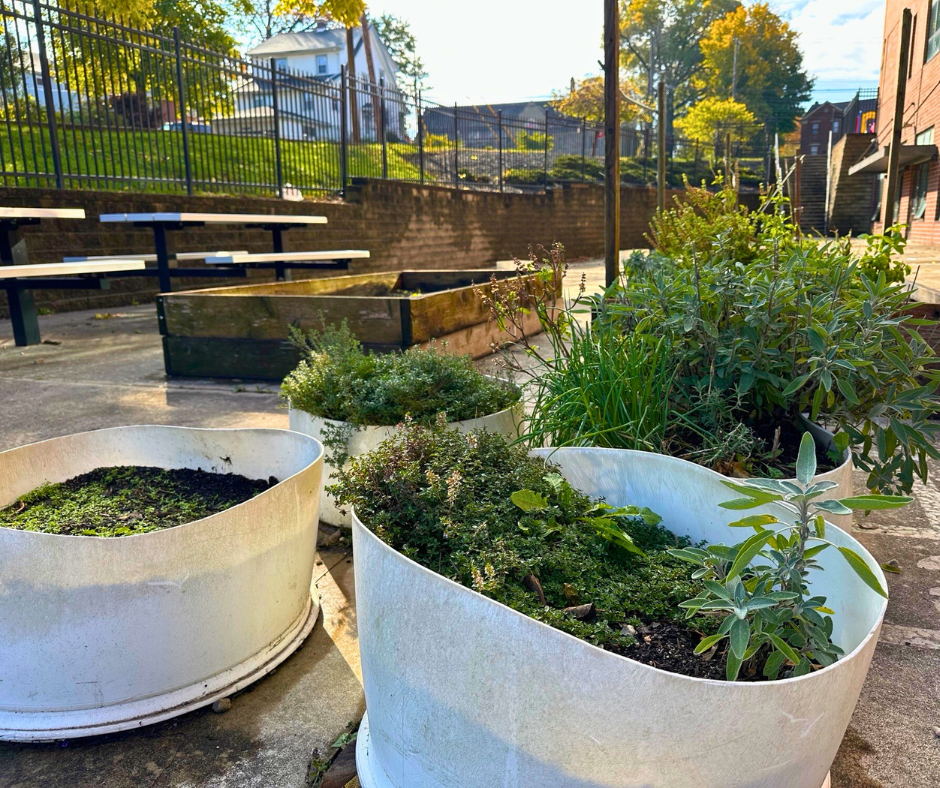
Add organic matter regularly: Food scraps, leaves, and yard waste feed decomposers and keep the system active.
Avoid over-disturbing the soil: Excessive tilling disrupts fungal networks and soil structure.
Maintain moisture: Decomposers need a balanced environment. Too dry and activity slows. Too wet and oxygen disappears.
Use composting systems: Indoor worm bins or outdoor compost piles concentrate decomposer activity and give you a reliable output.
Skip the chemicals: Synthetic inputs can disrupt soil biology and reduce long-term resilience.
Natural decomposers are already in your garden. The question is whether you are supporting them or working against them! Feed them, protect them, and let them do their job. The result is healthier soil, stronger plants, and a system that makes sense!
About Let’s Go Compost
Let’s Go Compost is a national nonprofit making composting simple, affordable, and accessible. Our programs bring hands-on composting to communities, helping people turn food and plant waste into healthy soil that supports food systems, native plant ecosystems, and pollinators. Learn more at letsgocompost.org and support our work at letsgocompost.org/donate.


