


Composting in a Dorm: The Easiest Way to Do It Without Smell or Bugs
- 2 days ago
- 5 min read
Dorm composting sounds unrealistic to most people. Small space, shared rooms, strict rules! It works if you pick the right system and keep it simple. The goal is not a full backyard setup. The goal is controlled, clean, and low effort. Learn how you can start small, make it manageable, and build a small indoor composting system you will actually maintain.
The Only Two Dorm Systems That Actually Work
In a dorm, you need something small, contained, and realistic for shared living spaces. Open compost piles, countertop scrap buckets, and DIY outdoor systems are usually not practical and may violate housing policies. Before starting any composting system, students should carefully review their dorm, apartment, or campus housing rules and speak with residential staff and roomate(s) if needed. Policies on food storage, insects, appliances, odors, and waste handling vary widely between campuses, and students are responsible for following their institution’s guidelines.

A worm bin is the most common dorm-friendly option. It uses composting worms to break down food scraps inside a sealed container. When managed correctly, it should not smell or attract pests. Worm bins stay indoors, require very little space, and process small amounts of food waste continuously. They work best for students willing to monitor moisture, feeding, and airflow regularly.
A bokashi system is the other reliable option. Bokashi uses fermentation instead of traditional decomposition. Food scraps are added to an airtight bucket along with a microbial bran mixture. Because the material ferments first, it typically produces less odor than people expect. However, the scraps are not fully composted at the end of the process and still need to be buried in soil or added to another compost system later to finish breaking down.
Before starting either system, students should also research whether their school already has a compost collection program. Many colleges and universities now offer food scrap collection in dining halls, residence halls, campus gardens, sustainability offices, or student-run environmental programs. Some campuses partner with local compost facilities, while others maintain school gardens or community gardens that may already accept compostable material. In many cases, participating in an existing collection system is easier, cleaner, and more effective than trying to manage a full compost system inside a dorm room.
Everything else is usually too messy, too large, too difficult to maintain consistently, or likely not permitted in shared student housing.
What to Do With Food Scraps Daily
Most dorm compost systems fail because people stop managing the scraps consistently. A good system can still turn bad fast if food sits out for days.
Keep a small sealed container in your freezer nearby for daily scraps. Empty it into your worm bin, bokashi bucket, or campus compost collection regularly so food never has time to rot in the room.
One small habit makes the biggest difference: scrape food into a compost container instead of throwing it away or rinsing it down the sink. Once that becomes routine, the rest gets much easier to maintain. If your campus already has compost collection in dining halls or residence areas, use it whenever possible. Your personal dorm system does not need to handle every scrap you generate.
How to Keep It From Smelling
A healthy compost system should smell earthy or neutral, not rotten. With worm bins, odor usually comes from too much food and too little bedding. Every time food is added, cover it with shredded cardboard, newspaper, or dry paper. The bedding absorbs moisture and helps balance the system. If the bin starts smelling sour or wet, stop feeding for a few days and add more dry material.
With bokashi, smell control comes down to keeping the container airtight. The lid needs to stay sealed, and every layer of food should be lightly covered with bokashi bran. A properly managed bokashi bucket usually smells slightly sweet or pickled, not rotten. Strong odors almost always mean the system is overloaded, too wet, or not sealed correctly.
How to Avoid Bugs and Roommate Problems
Most roommate complaints start before the compost system itself becomes an issue. Food left exposed, leaking containers, or overflowing bins are what people react to.
Keep the system contained, wipe spills immediately, and avoid letting scraps pile up outside the bin. Smaller systems are usually easier to manage in shared spaces because they force consistency.
It also helps to explain the system early. Most people picture compost as a giant outdoor pile, not a small, contained indoor setup. Once roommates understand the process and realize it is clean and controlled, they are usually far less resistant. Before starting anything, check your housing agreement and dorm policies carefully. Some schools have specific rules around food storage, insects, appliances, or environmental systems inside residence halls. Following campus policies protects both you and the larger program from unnecessary issues.
What You Can Actually Compost in a Dorm
Keep the inputs simple. Fruit scraps, vegetable scraps, coffee grounds, tea bags, bread, eggshells, and small amounts of paper products are usually manageable in small systems. Worm bins do best with softer foods in moderate amounts.
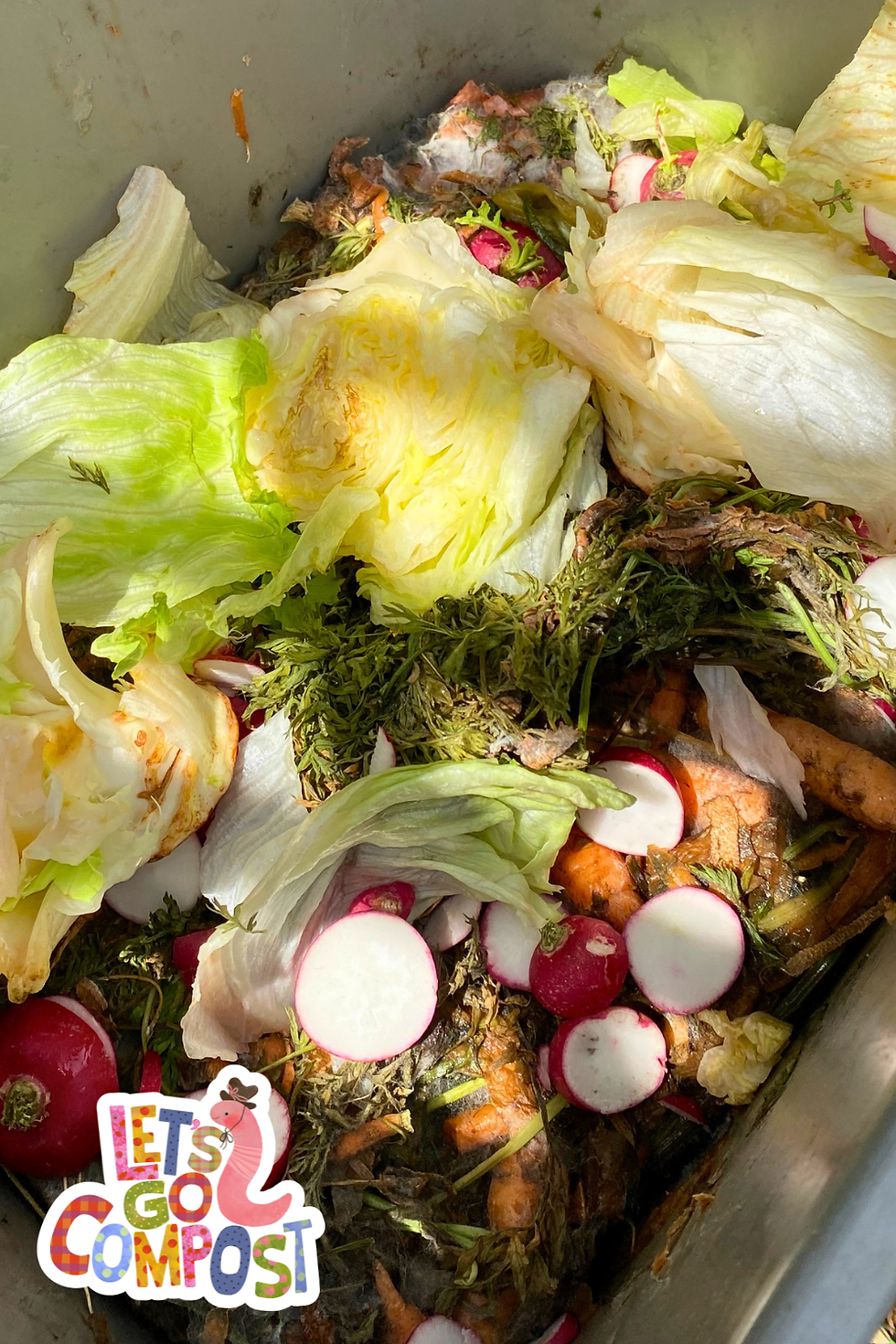
Avoid dumping large amounts of liquids, greasy foods, heavily processed foods, or oversized leftovers into a dorm-scale system. Small bins cannot recover from overloads as easily as large outdoor piles. Meat and dairy are generally avoided in worm bins. Bokashi systems can handle them better because the material ferments inside a sealed container.
When in doubt, feed less than you think you need to. If you consistently have more food waste than your compost system can realistically handle, that is usually a sign to evaluate upstream habits like overbuying, oversized portions, or wasted leftovers instead of trying to force every scrap into compost.
What to Do With the Finished Compost
The finished material still needs somewhere to go, but most dorm systems are very small. You are probably not going to create huge amounts of compost. In most cases, you will only produce enough worm castings or finished material for a few small plants, herbs, or a windowsill garden. Worm bins produce castings that are nutrient-rich and great for potted plants, herbs, seedlings, and small garden spaces. Bokashi material still needs a second stage and usually gets buried in soil or added to another compost system to finish breaking down properly.
This is why it helps to research campus gardens, school farms, horticulture departments, or nearby community gardens before starting. Many colleges already have sustainability clubs, garden programs, or compost initiatives that can help students responsibly manage extra material if needed. Some schools also have student-run compost collection systems that can take overflow scraps or finished material once your dorm setup reaches capacity.
Why Dorm Composting Matters
College campuses generate an enormous amount of wasted food every single day. Most of it still ends up in landfill, where food waste breaks down without oxygen and creates methane, a powerful greenhouse gas. Dorm composting changes the relationship people have with waste. Instead of food scraps disappearing into a trash chute, students see the full cycle from food to soil.
That matters because long-term environmental habits usually start small. One worm bin in a dorm room can turn into a campus garden project, a dining hall composting effort, or a larger school-wide sustainability program later on. It does not need to be perfect to make a difference. Small systems still teach real skills, reduce waste, and connect people back to how food and soil actually work.
About Let’s Go Compost
Let’s Go Compost is a national nonprofit making composting simple, affordable, and accessible. Our programs bring hands-on composting to communities, helping people turn food and plant waste into healthy soil that supports food systems, native plant ecosystems, and pollinators. Learn more at letsgocompost.org and support our work at letsgocompost.org/donate.


