


What Is Biochar?
- Apr 10
- 4 min read
Biochar is a stable, carbon-rich material made when organic matter like wood chips, crop waste, and manure are heated at high temperatures in a low-oxygen environment. This process, called pyrolysis, transforms the material into a charcoal-like substance rather than allowing it to burn into ash. The result is a lightweight, highly porous material that can be added to soil to improve performance over the long term. Biochar is great at keeping carbon in the ground. When
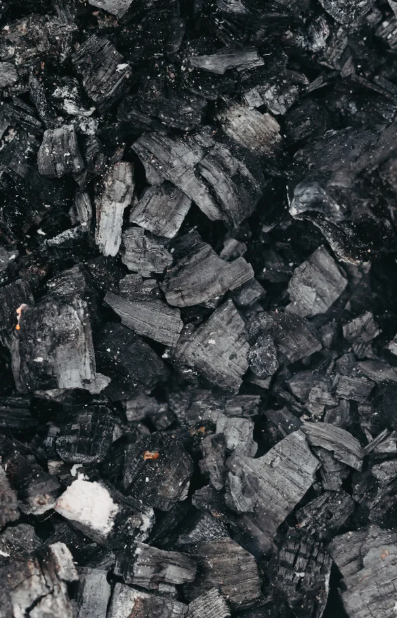
organic material decomposes in landfills or open environments, it releases carbon dioxide and methane into the atmosphere. Biochar locks that carbon into a stable form that can remain in soil for hundreds to thousands of years.
How is Biochar Made?
Biochar is produced through pyrolysis, which involves heating organic material without oxygen so it does not fully combust. Common feedstocks include wood waste, forestry byproducts, agricultural residues such as corn stalks or rice husks, and in some cases compostable materials when processed correctly. This controlled process preserves the carbon structure and creates a material filled with microscopic pores. Those pores are what make biochar effective in soil systems because they provide space for water, air, and microbial life to interact.
Is Biochar Compost?
Biochar is not compost. In soil, biochar functions as a long-term infrastructure layer rather than a short-term input. It does not break down quickly like compost. Instead, it creates a stable environment that supports ongoing biological activity. Its porous structure allows it to hold water, which helps soil retain moisture, especially in dry climates where evaporation is a constant challenge. At the same time, those pores provide habitat for beneficial microbes that drive nutrient cycling. Biochar also helps reduce nutrient loss because it can hold onto key elements like nitrogen and phosphorus, keeping them available to plants instead of allowing them to leach away. Over time, it improves soil structure, increasing aeration and reducing compaction, which is especially valuable in degraded or sandy soils.
Although biochar and compost are often discussed together, they serve different functions. Compost is active and nutrient-rich, constantly breaking down and feeding soil in the short term. Biochar is stable and long-lasting, acting more like a sponge and a habitat than a direct fertilizer. The most effective approach is to use them together. Charging biochar with compost or other nutrient-rich materials before applying it to soil allows it to deliver both immediate and long-term benefits. Without this step, raw biochar can temporarily absorb nutrients and make them less available to plants.
Using biochar properly starts with this charging process. It can be mixed with finished compost, soaked in compost tea or liquid nutrients, or integrated into a worm composting system so it becomes biologically active before entering the soil. Once prepared, it is typically applied at a modest percentage of the total soil volume, where it continues to function for years without needing replacement. In gardens and landscaping, biochar can be integrated as part of a broader soil-building strategy that returns organic material back to the ground in a more stable and effective form.

If your goal is to have a more environmentally-friendly garden or landscaping program, composting is the better place to start for most people. Composting directly manages food and yard waste, reduces landfill methane, and returns nutrients to soil in a way that is simple, low-risk, and widely accessible. Biochar can be a useful soil amendment, but its impact depends heavily on how it is produced, and making or sourcing it responsibly requires more control, energy, and oversight. In many cases, the climate and environmental benefits of composting are more immediate and reliable, especially at a household or community scale. Biochar works best as a complement to a strong composting system, not a replacement for it.
Biochar is often used in regenerative farming, gardens, reforestation projects, and soil health programs. When paired with composting, it helps create a complete circular system in which organic waste is transformed into a resource that builds soil, supports plant growth, and keeps carbon in the ground. This approach aligns with scalable models that prioritize local processing and long-term soil health.
Can I Make Biochar at Home?
For most people, especially in urban or suburban settings, making biochar at home is technically possible but often not the most practical or responsible choice. The process requires tight control over airflow, heat, and timing, and small mistakes can lead to excess smoke, fire risk, or incomplete charring that reduces the material’s effectiveness. In dry climates these risks are even higher due to local fire conditions and regulations. Beyond safety, the setup, time, and attention required can outweigh the benefit at a household scale. If the goal is to improve soil and reduce waste, composting offers a simpler, lower-risk path, while biochar is better approached as a more advanced system with the right equipment, space, and oversight.

If you are interested in buying sustainably made biochar, focus on what is behind the product, not the label. Look for biochar made from waste biomass such as forestry residues, agricultural byproducts, or invasive species, rather than materials harvested specifically for production. The process should be controlled pyrolysis with low emissions, not open burning, and reputable products will clearly explain how they are made. Certifications like OMRI listing for organic use or FSC sourcing can signal better standards, but transparency matters more than any single logo. It is also worth choosing biochar that is pre-charged or blended with compost, since raw biochar can pull nutrients from soil if applied incorrectly. If a product does not clearly state its feedstock, production method, and intended use, it is likely relying on vague sustainability claims rather than real environmental benefit.
Overall, biochar can be a tool for your soil that improves performance, supports microbial ecosystems, and stabilizes carbon in a way that aligns with how natural systems function. When used alongside compost, it strengthens the entire system, creating soil that is more resilient, productive, and capable of sustaining long-term environmental benefits.
About Let’s Go Compost
Let’s Go Compost is a national nonprofit making composting simple, affordable, and accessible. Our programs bring hands-on composting to communities, helping people turn food and plant waste into healthy soil that supports food systems, native plant ecosystems, and pollinators. Learn more at letsgocompost.org and support our work at letsgocompost.org/donate.


