School Composting Guide: Reduce Cafeteria Food Waste and Teach Kids Sustainability
Food waste is one of the most overlooked environmental challenges in schools. In the United States alone, school cafeterias generate an estimated 530,000 tons of food waste each year. That waste represents lost food, lost money, and unnecessary environmental impact.
The good news is that schools can dramatically reduce food waste with simple, student-led systems. When students participate in composting, food sharing, and waste awareness campaigns, they build lifelong sustainability habits while improving their school community.
This guide explains how schools can reduce cafeteria food waste step by step, using simple systems that work in elementary schools, middle schools, and high schools.
Why Schools Should Reduce Food Waste
Reducing food waste helps schools in several important ways. First, it protects the environment. When food waste goes to landfill, it produces methane, a powerful greenhouse gas.
Second, it saves money. Food thrown away represents wasted purchasing, preparation, and disposal costs. Third, it creates real-world learning opportunities. Students can learn science, environmental stewardship, and responsibility through hands-on sustainability programs.
Many schools discover that food waste reduction programs quickly become some of the most engaging STEM learning projects on campus.

Step 1: Start with Student Awareness
Before launching any system, students need to understand the problem.
One of the most effective ways to begin is through student-created posters and visual campaigns. When students design their own messaging, they feel ownership of the solution.
Common poster messages include:
Waste Less, Share More
Think Before You Toss
Feed the Soil, Not the Landfill
Compost Your Food Scraps
Encourage students to include drawings, facts, and ideas about how composting helps the Earth. Posters can be displayed in:
Cafeterias
Hallways
Classrooms
Garden areas
This simple step helps build a culture of awareness before new systems are introduced.

Step 2: Measure Cafeteria Food Waste
Many schools are surprised to discover how much food is thrown away each day. A simple food waste audit allows students to measure and understand the problem.
Students can help:
Collect cafeteria waste
Sort edible food vs compostable scraps
Weigh the total waste
Record results
This activity works well as a science or math lesson because students collect real data from their own school. When students see the numbers themselves, motivation to reduce waste increases dramatically.

Step 3: Introduce Share Tables
Share tables are one of the fastest ways to reduce cafeteria waste. A share table allows students to place unopened or untouched food items in a designated area so other students can take them instead of throwing them away. Examples include:
Unopened milk cartons
Whole fruit
Packaged snacks
Share tables reduce waste while helping ensure food is not unnecessarily discarded.
Many schools combine share tables with food recovery programs that donate excess items to local organizations.
Step 4: Compost Food Scraps
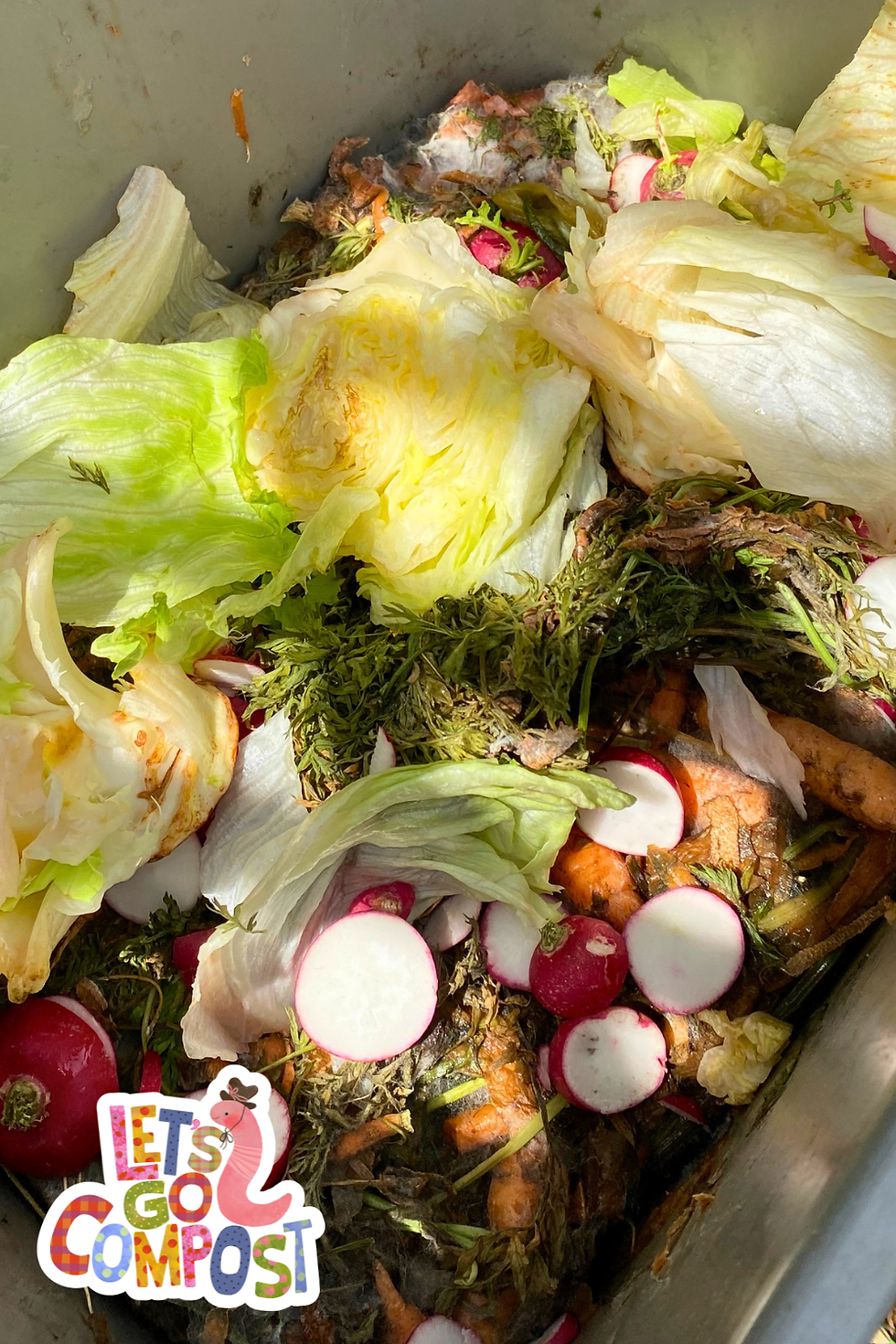
After edible food is recovered, the remaining scraps can be composted. Composting turns food waste into nutrient-rich soil rather than sending it to landfill. Schools can start small using classroom worm composting bins or larger outdoor compost systems. Common compost materials include:
Fruit and vegetable scraps
Coffee grounds
Napkins and paper towels
Garden trimmings
Students can help manage compost systems and observe how organic materials break down over time. Composting projects often become some of the most popular science activities because students can watch the decomposition process happen.

Step 5: Use Compost in School Gardens
Once compost is finished, schools can use it in gardens or landscaping. This step helps students understand the full cycle of food systems: Food → Waste → Compost → Soil → New Plants
School gardens provide hands-on opportunities for lessons in:
Biology
Soil science
Plant growth
Ecosystems
Students see how compost improves soil health and supports plant growth.
Step 6: Make It a Student-Led Program
When students lead the program, participation grows and systems become easier to maintain. Students can participate in many roles, including:
Waste audit teams
Compost monitors
Poster designers
Garden caretakers
Sustainability club leaders
How Schools Can Start Small
Schools do not need expensive infrastructure to begin reducing food waste. Many programs start with just a few steps:
Awareness posters
A simple waste audit
A share table
A classroom compost bin
From there, schools often expand into larger composting systems or partnerships with local composters. Even small programs can divert hundreds of pounds of food waste each year while creating meaningful educational experiences!
A Powerful STEM Learning Opportunity
Reducing cafeteria food waste is a hands-on learning opportunity that teaches students about:
Ecosystems
Soil biology
Resource conservation
Community responsibility
When students participate directly in solutions, they gain a deeper understanding of how their daily actions impact the environment.
Start a School Composting Program
If your school is interested in starting a composting program or classroom worm bin, educational resources and composting kits are available through Let's Go Compost. Our nonprofit works with schools across the United States to make composting education accessible, engaging, and easy to implement. Learn more about bringing composting to your school: letsgocompost.org/schools
About Let’s Go Compost
Let’s Go Compost is a national nonprofit making composting simple, affordable, and accessible. Our programs bring hands-on composting to communities, helping people turn food and plant waste into healthy soil that supports food systems, native plant ecosystems, and pollinators. Learn more at letsgocompost.org and support our work at letsgocompost.org/donate.