



How to Compost in Small Spaces
Can You Really Compost Without a Yard?
Yes! You do not need a backyard, large bins, or complicated systems. Small-space composting works in apartments, studios, and shared housing. The key is choosing the right method and managing it correctly.
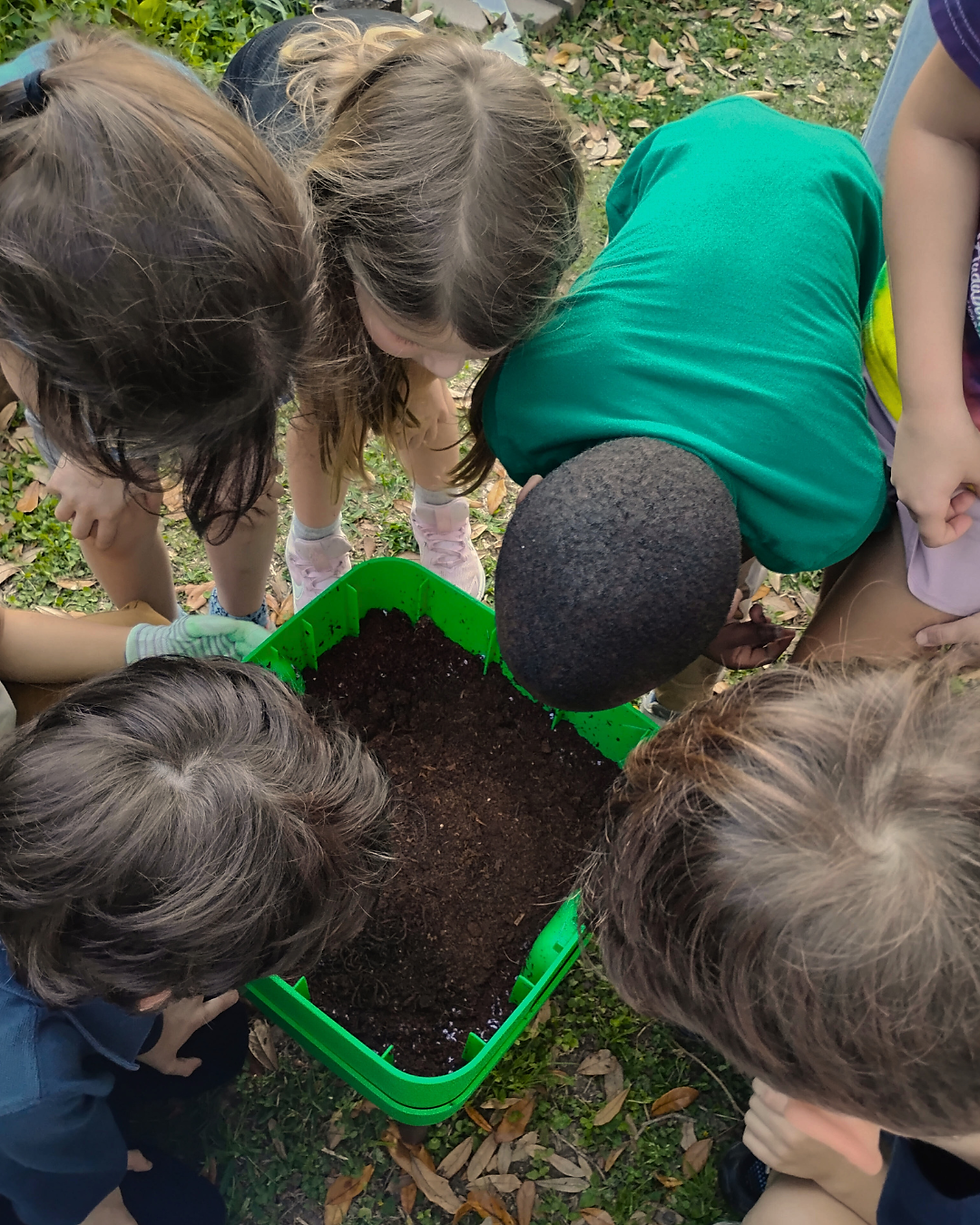
Food waste is one of the largest contributors to landfill methane in the U.S. Composting at home, even in a small space, directly reduces that impact while creating nutrient-rich soil for plants.
Best Composting Methods for Small Spaces
1. Worm Composting (Vermicomposting)
Best for indoor composting with minimal smell. Worm bins use red wiggler worms to break down food scraps into nutrient-dense compost called castings. These systems are compact, efficient, and ideal for kitchens or closets. Why it works for small spaces:
No strong odor when balanced properly
Fits under sinks or in cabinets
Produces high-quality compost for houseplants
Will it smell or attract bugs? No, if you avoid overfeeding and keep a balance of food scraps and dry materials like cardboard.
2. Bokashi Composting (Fermentation Method)
Best for very small spaces or no-maintenance setups. Bokashi uses a sealed bucket and beneficial microbes to ferment food waste. Unlike traditional composting, it can handle meat, dairy, and cooked food. Why it works:
Airtight system prevents odor
No pests
Works in tight spaces like apartments or offices
Is it actually compost? No, it is a pre-compost. You will need to bury it in soil or add it to another compost system to fully break it down.

3. Freezer Scrap Storage + Drop-Off
Best for beginners or zero-maintenance composting. If you are not ready to manage a system, store food scraps in a container in your freezer and bring them to a local compost drop-off or collection service. Some of these programs are free, while others charge a subscription fee. Why it works:
No smell
No bugs
No setup required
What Can You Compost in Small Spaces?
Safe and easy items:
Fruit and vegetable scraps
Coffee grounds and filters
Eggshells
Use caution or avoid (especially in worm bins):
Meat and dairy
Oily or greasy foods
Large amounts of citrus
How Do You Prevent Smell and Pests?
If your compost smells, it is a signal something is off. Adjust what you are adding.
Keep your system covered or sealed
Do not overload with food scraps
Add dry materials like paper or cardboard
Freeze scraps before adding if needed

Where Do You Keep a Compost Bin in a Small Space?
Most indoor composting systems are compact and designed for easy use.
Under the kitchen sink
In a cabinet or pantry
On a balcony or patio
In a utility closet
What Do You Do With the Compost?
Compost improves soil health, holds moisture, and supports plant growth. Even small systems produce valuable output!
Add to houseplants
Use in container gardens
Donate to a local garden
Is Composting in an Apartment Worth It?
Yes! It reduces waste, cuts down on trash, and creates a useful product from something you would otherwise throw away. It also builds daily habits that scale into larger environmental impact over time. Composting in small spaces is simple when you pick the right system and stay consistent. Start with one container, and stay consistent.
About Let’s Go Compost
Let’s Go Compost is a national nonprofit making composting simple, affordable, and accessible. Our programs bring hands-on composting to communities, helping people turn food and plant waste into healthy soil that supports food systems, native plant ecosystems, and pollinators. Learn more at letsgocompost.org and support our work at letsgocompost.org/donate.


