Compost Caddy Myths: Why Your Kitchen Bin Is Not a Composter
What a compost caddy actually does and how to use it the right way

Did You Buy a Composter or Just a Container?
A lot of people start composting with good intentions, buy a compost caddy for their kitchen, and assume they are done. Then a few days go by, the container starts to smell, and it feels like something is wrong. The reality is simple. A compost caddy is not a composter. It is just a place to hold food scraps before they go to a real compost system. Understanding this one distinction makes composting much easier and prevents most of the frustration people run into early on.
What a Compost Caddy Actually Does
A compost caddy is best thought of as a temporary storage tool. It sits on your counter, under your sink, or in your freezer and collects food scraps throughout the day. It keeps everything contained in one place so you are not throwing compostable material in the trash.
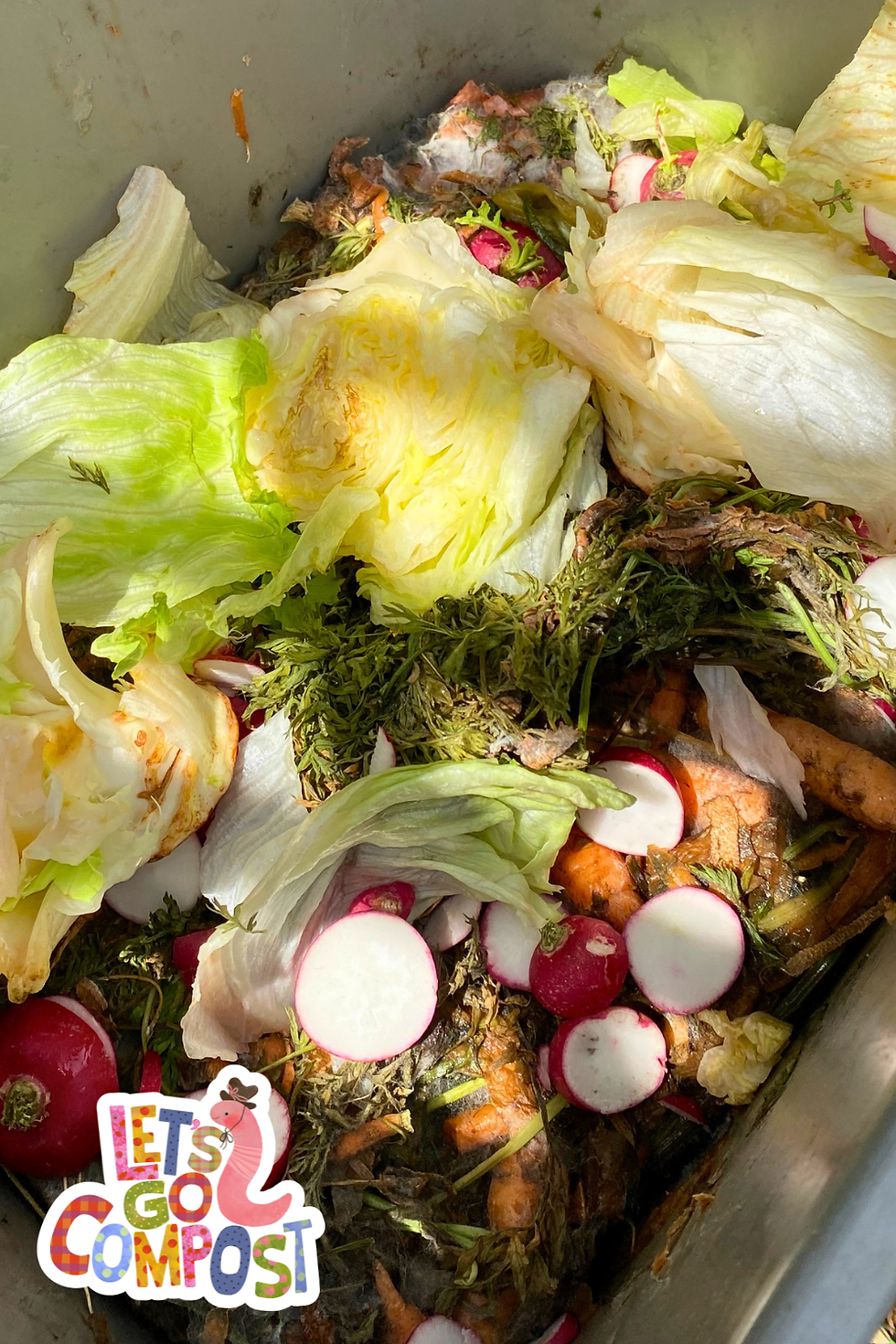
What it does not do is break anything down. There are no worms, no active microbial process, and no system inside that turns food waste into soil. If scraps sit in a caddy too long, they will simply start to rot, which is where odor comes from.
Why People Get Confused
The word “compost” in compost caddy leads people to believe the container is doing the composting. In reality, it is just the first step in a larger process. Composting only happens when those scraps are moved into an active system like a worm bin, a backyard compost pile, a Bokashi system, or a commercial composting program.
When that second step is missing, the caddy becomes a dead end instead of a starting point.
How to Use a Compost Caddy Correctly
Using a compost caddy is simple once you know its role. Throughout the day, add fruit and vegetable scraps, coffee grounds, and other compostable materials into the container. Keep the lid closed and store it somewhere cool to slow down odor.
Every couple of days, empty the caddy into a real composting system. This could be a worm bin in your home, a compost pile outside, or a local drop-off or collection service. The key is consistency. The caddy works best when it is emptied regularly and not left sitting for long periods.

How to Prevent Smell and Mess
Most complaints about compost caddies come down to food sitting too long. When scraps are emptied frequently, there is little to no odor. Keeping the caddy in a cool space also helps, and many people find that storing scraps in the freezer is the easiest way to eliminate smell entirely. If needed, you can line the container with a paper towel or brown paper bag to make cleaning easier. The goal is to keep things simple and manageable so it becomes part of your routine.
What You Can Put in a Compost Caddy
A compost caddy is meant for everyday kitchen scraps like fruit peels, vegetable trimmings, coffee grounds, and eggshells. These are easy to manage and break down well in most compost systems. Heavier items like meat, dairy, and oily foods should only be added if you know your next step can handle them. Otherwise, they can create odor and slow down the process.
The Step That Actually Matters
The most important part of composting is not the caddy. It is what happens after. Composting only works when food waste is moved into a system designed to break it down and turn it into soil. Once you make that connection, everything clicks! The caddy becomes a helpful tool instead of a source of confusion.
At the End of the Day
A compost caddy does not compost. It simply holds food scraps until you are ready to move them. When used the right way, it makes composting cleaner, easier, and more consistent. If you thought you bought a composter, you are not alone. You are just one step away from actually composting!
About Let’s Go Compost
Let’s Go Compost is a national nonprofit making composting simple, affordable, and accessible. Our programs bring hands-on composting to communities, helping people turn food and plant waste into healthy soil that supports food systems, native plant ecosystems, and pollinators. Learn more at letsgocompost.org and support our work at letsgocompost.org/donate.